
Now Reading: Journaling Techniques for Emotional Well-Being
-
01
Journaling Techniques for Emotional Well-Being

Journaling is one of the simplest ways to understand your emotions and release daily stress. Research shows that expressive writing can improve mood and reduce anxiety by helping the brain process overwhelming feelings. In fact, a study from the University of Texas found that people who journal about emotional experiences show stronger mental clarity and better stress regulation (Pennebaker & Chung, 2011). Because of these benefits, many people now use journaling techniques for emotional well-being as part of their daily self-care routine.
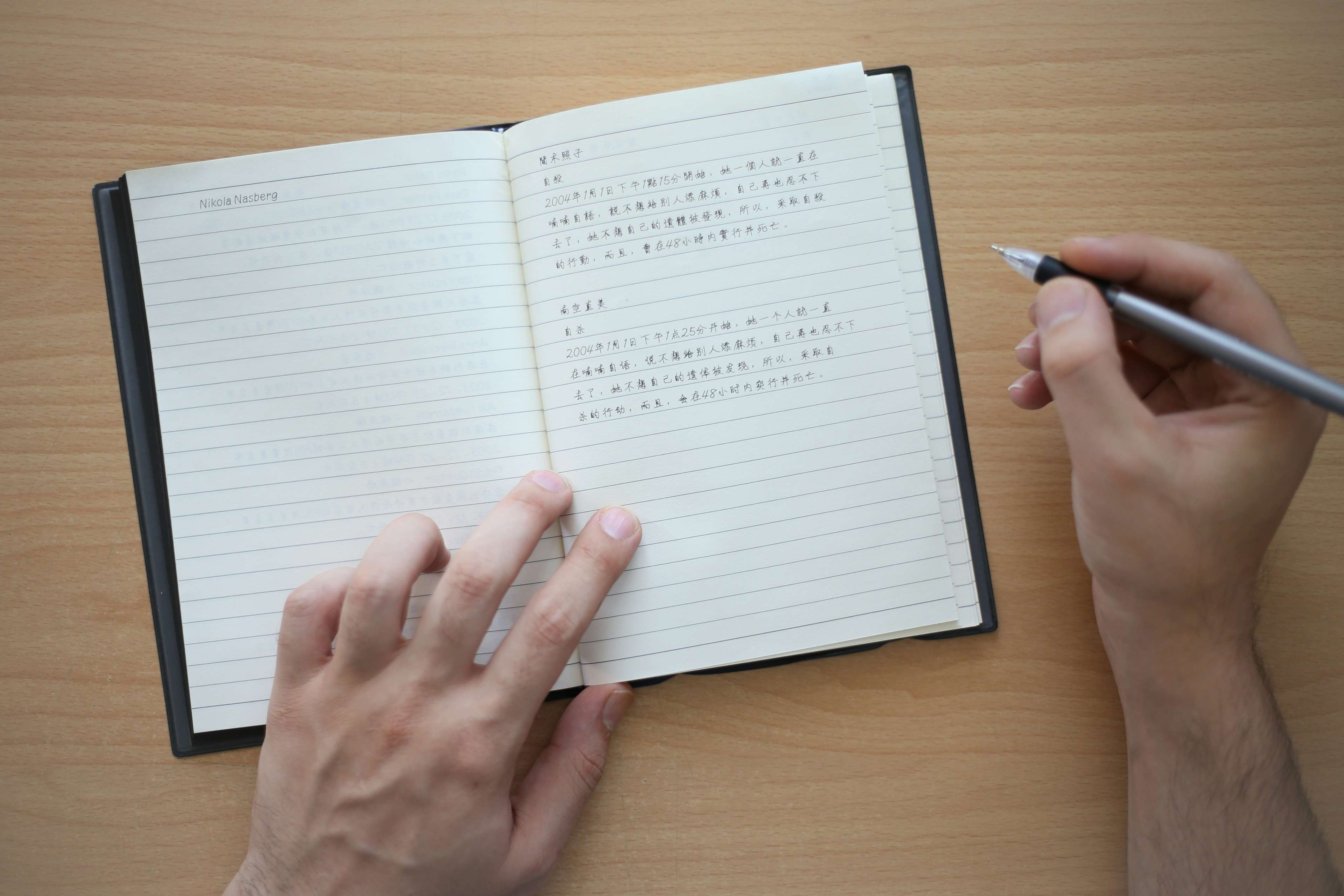
In this article, you will learn how journaling supports your mental health, which methods work best, and how you can build a consistent writing habit. These journaling techniques for emotional well-being are simple, effective, and suitable for anyone—no writing skills required.
Why Journaling Supports Emotional Health
Journaling helps your mind slow down, understand your feelings, and create space for reflection. When you write, you shift your thoughts from your head onto paper. This process reduces emotional overload and gives you clarity. A study published in JMIR Mental Health found that journaling can lower symptoms of depression and anxiety within one month when practiced consistently (Baikie & Wilhelm, 2005).
By using journaling techniques for emotional well-being, you can:
- Identify emotional triggers
- Reduce stress and anxiety
- Boost self-awareness
- Improve mood regulation
- Strengthen resilience
- Support personal growth
These benefits make journaling a powerful tool for anyone who wants to feel more grounded and emotionally balanced.
1. Free Writing (Stream-of-Consciousness Journaling)
Free writing is one of the most popular journaling techniques for emotional well-being because it allows you to write without rules or structure. You simply put your thoughts on paper as they appear in your mind.
How to do it
- Set a timer for 5–10 minutes.
- Write continuously without stopping.
- Do not edit or correct your sentences.
- Let your thoughts flow naturally.
Free writing helps you uncover hidden emotions, release mental tension, and gain clarity about your feelings. This technique works especially well on stressful days.
2. Gratitude Journaling
Gratitude journaling shifts your focus from stress to positivity. Studies show that practicing gratitude can reduce anxiety by up to 27% and increase overall happiness (Emmons & McCullough, 2003).
How to do it
- Write 3–5 things you feel grateful for every day.
- Include small moments such as a warm cup of tea or a kind conversation.
- Reflect on why each moment felt meaningful.
Using gratitude-based journaling techniques for emotional well-being helps you strengthen emotional resilience and encourages a more positive mindset.
3. Guided Prompts for Emotional Reflection
Prompts are helpful for people who struggle to start writing. They provide direction and help you explore your inner world.
Examples of emotional journaling prompts
- “What emotion felt strongest today, and why?”
- “What do I need right now to feel supported?”
- “Which thoughts are taking most of my energy?”
- “What am I afraid to say out loud, but can write here?”
These guided journaling techniques for emotional well-being encourage deeper emotional processing and support healing.
4. Mood Tracking and Emotional Mapping
Mood tracking is a simple way to observe patterns in your emotions. When you monitor your daily mood, you learn what triggers stress and what brings calm.
How to do it
- Rate your mood on a scale from 1–10 each day.
- Describe the main emotion you felt.
- Write down what happened that influenced this emotion.
Over time, mood tracking helps you understand your emotional cycles. This is one of the most helpful journaling techniques for emotional well-being because it connects daily actions with emotional outcomes.
5. The “Letter You Will Never Send” Technique
Writing a letter to someone—without sending it—helps release anger, sadness, or frustration in a safe and private way. This approach reduces emotional tension and supports healing after difficult situations.
How to do it
- Address the letter to a person or situation.
- Express your true feelings without judgment.
- Keep the letter private or destroy it afterward.
This technique allows you to process emotions honestly and reduces emotional pressure.
6. The 3-Column Thought Reframing Method
This technique comes from Cognitive Behavioral Therapy (CBT) and helps you challenge negative thoughts.
How to do it
Create three columns:
- Automatic Thought
- Emotion It Creates
- A More Balanced Thought
For example:
| Automatic Thought | Emotion | Balanced Thought |
| “I can’t handle anything.” | Stress | “I handled difficult days before. I can handle this too.” |
This is one of the most powerful journaling techniques for emotional well-being because it teaches your mind to replace negative thinking with more realistic and supportive thoughts.
7. Mindful Journaling
Mindful journaling combines writing with mindfulness. It encourages you to stay present, observe your feelings, and accept them without judgment.
How to do it
- Take a few slow breaths before writing.
- Notice your body sensations and emotions.
- Write about what you feel right now, not the past or future.
Mindful journaling helps reduce emotional overwhelm and creates inner calm.
How to Build a Consistent Journaling Habit
Even the best journaling techniques for emotional well-being work only when practiced regularly. Here are some tips to help you build a habit:
Set a specific time each day
Write in the morning to clear your mind or in the evening to release daily stress.
Start small
Begin with 5 minutes a day and increase the time as you get comfortable.
Choose a comfortable space
Pick a quiet spot where you can relax and write without distractions.
Use digital or paper journals
There is no right or wrong format—choose what feels natural to you.
Be honest
Your journal is a private space. The more honest you are, the more healing the process becomes.
Conclusion
Journaling is a simple yet powerful tool that can support emotional healing, reduce stress, and improve mental clarity. By practicing different journaling techniques for emotional well-being, you give yourself a safe space to express feelings, understand your inner world, and strengthen emotional resilience.
Whether you choose free writing, gratitude journaling, mindful reflection, or CBT-based reframing, each method offers unique benefits. With consistency, journaling becomes a daily anchor that keeps you grounded, calm, and emotionally balanced.

Hi, I’m Brittany Larsen, a passionate blogger and content creator dedicated to writing meaningful and engaging articles. I specialize in topics like mental health, wellness, and personal development, aiming to inspire and empower my readers through relatable stories and practical advice.