Now Reading: Yoga and Mindfulness for Mental Health
-
01
Yoga and Mindfulness for Mental Health

Mental health challenges are rising across the world. Stress, anxiety, depression, and burnout affect people of all ages. While therapy and medication play an important role, many people now look for natural and supportive practices. Yoga and mindfulness for mental health have gained strong attention because they are simple, accessible, and backed by research.

Yoga and mindfulness focus on the connection between the body and the mind. Together, they help people slow down, manage emotions, and build mental resilience. This article explains how yoga and mindfulness for mental health work, their proven benefits, and how you can start practicing them in daily life.
What Is Yoga and Mindfulness?
Understanding Yoga
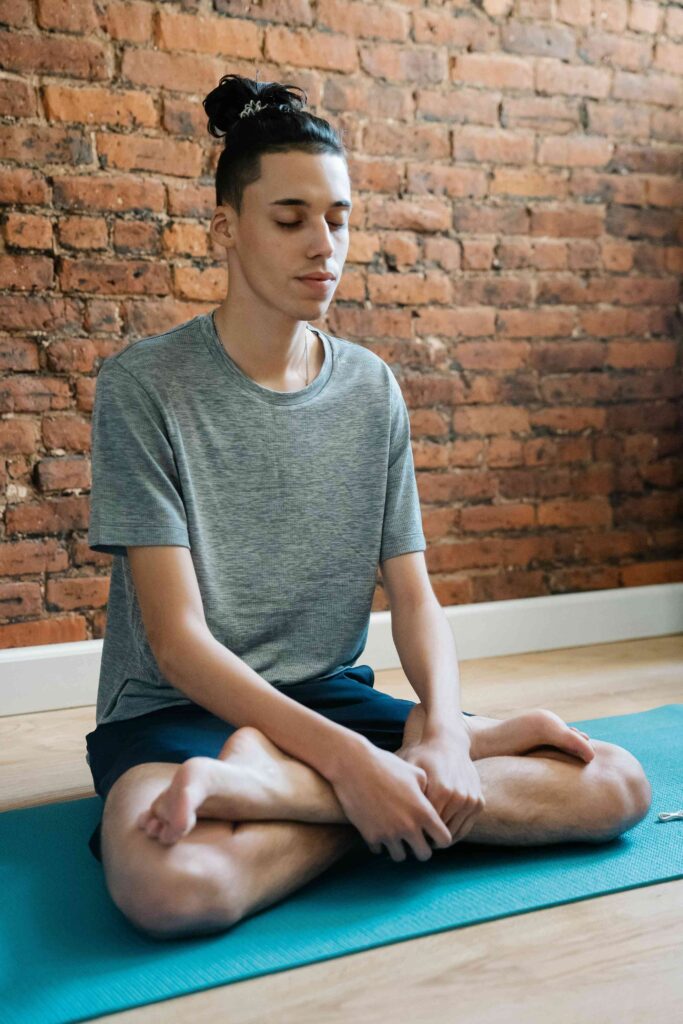
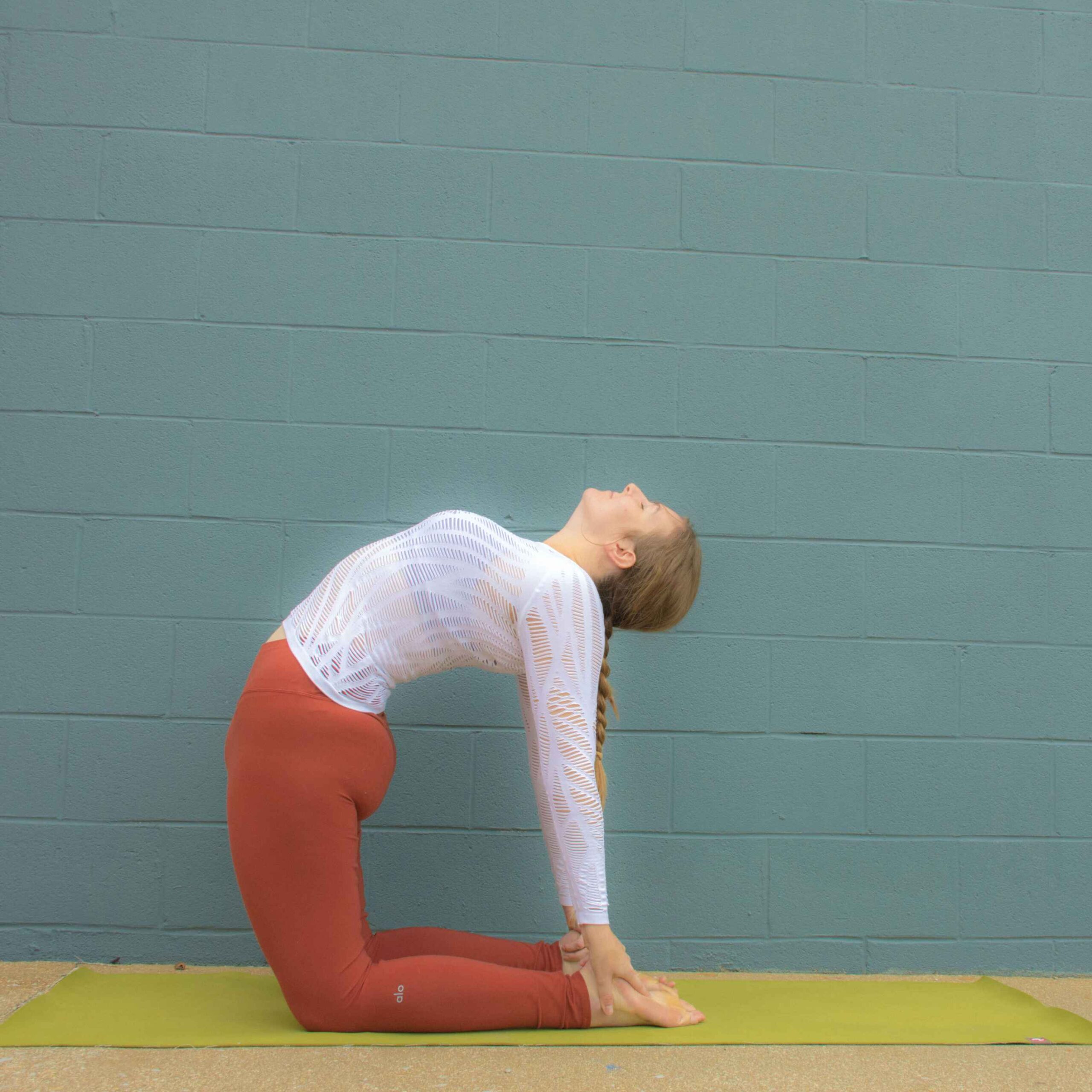
Yoga is an ancient practice that combines physical postures, breathing techniques, and relaxation. It focuses on balance, flexibility, strength, and inner awareness. Yoga does not require extreme fitness. Anyone can practice it, regardless of age or experience.
Yoga helps calm the nervous system and brings the body out of constant “fight or flight” mode. This is why yoga and mindfulness for mental health work so well together.
Understanding Mindfulness
Mindfulness means paying attention to the present moment without judgment. It involves noticing your thoughts, feelings, and body sensations as they are. Mindfulness teaches you to respond rather than react.
When practiced regularly, mindfulness helps reduce negative thinking patterns. It also improves emotional regulation and focus. Combined with yoga, mindfulness becomes a powerful mental health tool.
Why Yoga and Mindfulness for Mental Health Matter
Mental health conditions are common. According to the World Health Organization (WHO), nearly 1 in 8 people worldwide live with a mental disorder, including anxiety and depression (WHO, 2022).
Modern lifestyles increase mental overload. Long work hours, constant screen time, and lack of movement worsen mental well-being. Yoga and mindfulness for mental health offer a natural way to counter these pressures.
They support both the mind and the body at the same time. This holistic approach makes them effective and sustainable.
Scientific Benefits of Yoga and Mindfulness for Mental Health
Reduces Stress and Anxiety
Stress is one of the biggest triggers for mental health problems. Yoga lowers cortisol, the body’s main stress hormone.
A study published in Frontiers in Psychiatry (2018) found that people who practiced yoga regularly experienced significant reductions in anxiety and stress levels compared to those who did not.
Mindfulness helps you observe anxious thoughts without getting trapped in them. This makes yoga and mindfulness for mental health especially helpful for generalized anxiety disorder.
Helps Manage Depression
Depression often comes with low energy, negative thinking, and emotional numbness. Yoga encourages gentle movement and deep breathing, which stimulate mood-regulating neurotransmitters.
According to a meta-analysis in the Journal of Psychiatric Practice (2016), yoga showed moderate effects in reducing depressive symptoms, especially when combined with standard treatment.
Mindfulness reduces rumination, which is a common feature of depression. Together, yoga and mindfulness for mental health help people reconnect with their bodies and emotions.
Improves Emotional Regulation
Emotional regulation means managing emotions in a healthy way. Yoga slows the breath and relaxes the nervous system. This helps you pause before reacting emotionally.
Mindfulness strengthens awareness of emotional triggers. Research from Harvard Medical School shows that mindfulness practices can change brain areas linked to emotional control and stress response (Hölzel et al., 2011).
This makes yoga and mindfulness for mental health valuable for people dealing with anger, mood swings, or trauma responses.
Yoga and Mindfulness for Mental Health and Trauma Recovery
Trauma lives in the body as much as in the mind. Traditional talk therapy may not always reach physical stress responses.
Trauma-sensitive yoga focuses on safety, choice, and gentle movement. It helps people regain control over their bodies.
A study in The Journal of Traumatic Stress (2014) found that trauma-informed yoga significantly reduced PTSD symptoms in participants.
Mindfulness teaches grounding techniques that help people stay present during emotional flashbacks. This is why yoga and mindfulness for mental health are widely used in trauma recovery programs.
Physical Benefits That Support Mental Health
Better Sleep Quality
Poor sleep and mental health are closely linked. Yoga relaxes the body before bedtime and improves sleep patterns.
According to the National Sleep Foundation, mindfulness-based practices can improve sleep quality and reduce insomnia symptoms.
Better sleep leads to better emotional stability, focus, and mood. This strengthens the overall impact of yoga and mindfulness for mental health.
Increased Energy and Focus
Gentle yoga increases blood flow and oxygen to the brain. This boosts energy without overstimulation.
Mindfulness improves attention and concentration. A study in Psychological Science (2010) showed that mindfulness training improved working memory and focus.
This makes yoga and mindfulness for mental health helpful for people struggling with mental fatigue or burnout.
How to Start Yoga and Mindfulness for Mental Health
Start Small and Stay Consistent
You do not need long sessions. Even 10–15 minutes a day can make a difference.
Start with simple yoga poses and basic breathing exercises. Combine them with short mindfulness practices, such as body scans or breath awareness.
Consistency matters more than intensity when practicing yoga and mindfulness for mental health.
Choose the Right Style
Some yoga styles are more calming than others.
Best styles for mental health include:
- Hatha yoga
- Restorative yoga
- Yin yoga
- Trauma-informed yoga
Avoid fast-paced styles if your goal is emotional balance and stress reduction.
Practice Mindful Breathing Daily
Breathing is the bridge between the body and the mind. Slow, deep breathing activates the parasympathetic nervous system.
Simple mindful breathing for 5 minutes daily can reduce anxiety and improve emotional clarity. This is a core part of yoga and mindfulness for mental health.
Yoga and Mindfulness for Mental Health in Daily Life
You do not need a yoga mat all the time. You can practice mindfulness anywhere.
Simple ways to integrate mindfulness:
- Eat without distractions
- Notice your breath during stressful moments
- Take short mindful walks
- Pause before reacting emotionally
These small habits strengthen the benefits of yoga and mindfulness for mental health over time.
Are Yoga and Mindfulness Enough?
Yoga and mindfulness support mental health, but they are not replacements for professional care. People with severe mental health conditions should seek guidance from qualified professionals.
However, studies show that yoga and mindfulness for mental health work best as complementary tools alongside therapy or medication.
According to the American Psychological Association, mindfulness-based interventions are effective additions to traditional mental health treatment.
Final Thoughts
Yoga and mindfulness for mental health offer a gentle, effective, and research-backed way to support emotional well-being. They help reduce stress, manage anxiety, ease depression, and improve emotional awareness.
These practices empower people to take an active role in their mental health journey. With regular practice, yoga and mindfulness for mental health can create lasting changes in how you think, feel, and respond to life.
If you are looking for a natural and sustainable approach to mental wellness, yoga and mindfulness may be a powerful place to begin.

Hi, I’m Brittany Larsen, a passionate blogger and content creator dedicated to writing meaningful and engaging articles. I specialize in topics like mental health, wellness, and personal development, aiming to inspire and empower my readers through relatable stories and practical advice.