Now Reading: How Outdoor Exercise Boosts Mental Health
-
01
How Outdoor Exercise Boosts Mental Health

Mental health challenges are rising across the world. Anxiety, depression, stress, and burnout affect millions of people every year. While therapy, medication, and support systems are essential, one powerful and natural tool often gets overlooked: outdoor exercise.
Research consistently shows that how outdoor exercise boosts mental health goes beyond physical fitness. Moving your body outside improves mood, reduces stress, sharpens focus, and supports emotional balance. Best of all, it is simple, affordable, and accessible to most people.

In this article, we will explore how outdoor exercise boosts mental health, the science behind it, and practical ways to make it part of your daily life.
Why Mental Health Needs Movement and Nature
Modern life keeps us indoors more than ever. Long work hours, screen time, and urban living reduce our connection with nature. This disconnection affects mental well-being.
According to the World Health Organization (WHO), more than 280 million people worldwide live with depression, making it a leading cause of disability globally (WHO, 2023). Anxiety disorders affect an estimated 301 million people worldwide.
Regular movement helps. But when movement happens outdoors, the mental health benefits multiply.
How Outdoor Exercise Boosts Mental Health Through Brain Chemistry
Exercise Releases Mood-Boosting Chemicals
One major reason how outdoor exercise boosts mental health is its impact on brain chemistry. Physical activity increases the release of:
- Endorphins (natural mood elevators)
- Serotonin (linked to emotional stability)
- Dopamine (connected to motivation and pleasure)
Outdoor exercise amplifies this effect. Sunlight helps regulate serotonin levels, which plays a key role in reducing depression.
A study published in the Journal of Psychiatric Research found that regular physical activity reduces depressive symptoms by 26%, even at moderate intensity (Schuch et al., 2018).
How Outdoor Exercise Boosts Mental Health by Reducing Stress
Nature Calms the Nervous System
Stress keeps the body in a constant fight-or-flight mode. Outdoor exercise helps switch the nervous system into a calmer state.
Being in green spaces lowers cortisol, the body’s primary stress hormone. A study from Frontiers in Psychology showed that people who exercised outdoors experienced significantly lower stress levels compared to those who exercised indoors (Lawton et al., 2017).
This explains how outdoor exercise boosts mental health by creating a sense of calm and relaxation.
How Outdoor Exercise Boosts Mental Health and Anxiety Relief
Gentle Movement Reduces Anxious Thoughts
Anxiety often involves racing thoughts and physical tension. Outdoor exercise helps break this cycle.
Walking, jogging, cycling, or hiking outside allows the mind to focus on surroundings rather than worries. Natural sights and sounds act as grounding tools.
The Anxiety and Depression Association of America (ADAA) reports that 30 minutes of moderate exercise can reduce anxiety symptoms for several hours after the activity.
This is another clear example of how outdoor exercise boosts mental health in a natural and sustainable way.
How Outdoor Exercise Boosts Mental Health and Depression Recovery
Sunlight and Routine Matter
Depression often comes with low energy, poor sleep, and lack of motivation. Outdoor exercise helps address all three.
Sunlight exposure supports vitamin D production. Low vitamin D levels are associated with higher rates of depression. According to the National Institutes of Health (NIH), vitamin D deficiency affects nearly 42% of adults in the United States.
Outdoor exercise also builds structure and routine. Even a short daily walk creates a sense of purpose and accomplishment, reinforcing how outdoor exercise boosts mental health over time.
How Outdoor Exercise Boosts Mental Health Through Social Connection
Moving Outside Reduces Isolation
Loneliness is a major mental health risk factor. Outdoor exercise encourages social interaction, even without direct conversation.
Walking in parks, joining outdoor fitness classes, or cycling with friends builds a sense of community. Social connection lowers the risk of depression and anxiety.
A large study published in The Lancet Psychiatry found that people who exercised regularly had 43% fewer poor mental health days compared to those who did not exercise (Chekroud et al., 2018).
This research further supports how outdoor exercise boosts mental health on both emotional and social levels.
How Outdoor Exercise Boosts Mental Health and Cognitive Function
Better Focus, Memory, and Creativity
Mental health is not only about emotions. It also includes focus, memory, and mental clarity.
Outdoor exercise improves blood flow to the brain and supports neuroplasticity. Nature exposure enhances attention and reduces mental fatigue.
A study from the University of Michigan found that walking in nature improved memory and attention by 20% compared to walking in urban environments.
This highlights how outdoor exercise boosts mental health by supporting brain performance and cognitive health.
Best Types of Outdoor Exercise for Mental Health
Not all exercise needs to be intense. Consistency matters more than intensity.
Walking
- Low impact
- Easy to maintain
- Ideal for beginners
Running or Jogging
- Boosts endorphins quickly
- Improves mood and confidence
Cycling
- Reduces stress
- Enhances focus and stamina
Hiking
- Combines physical challenge with nature immersion
- Strong mental reset
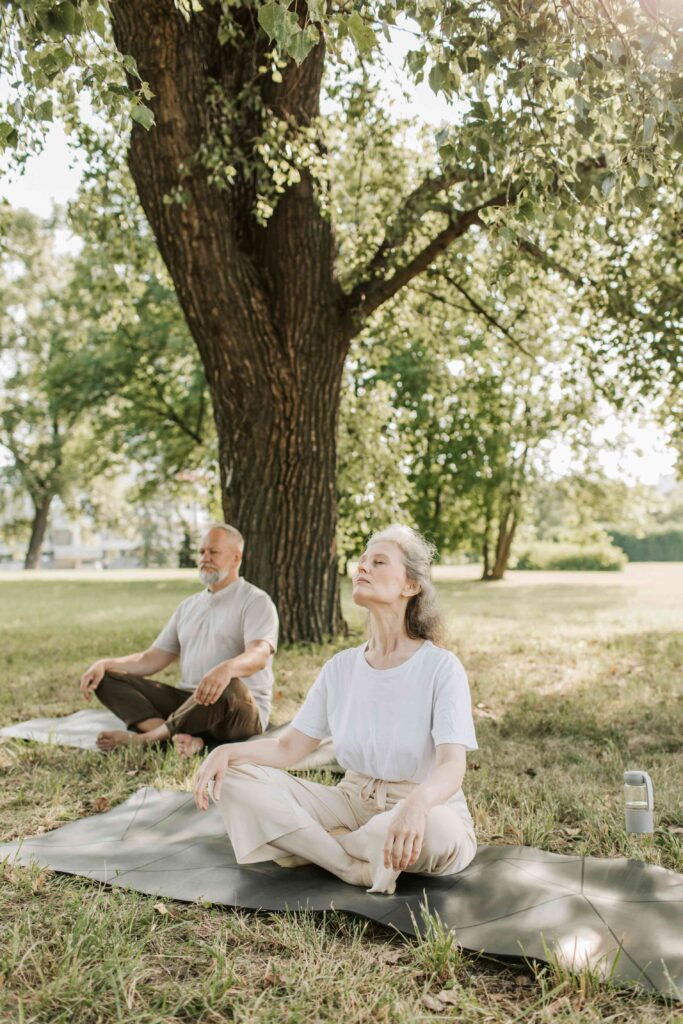
Outdoor Yoga or Stretching
- Improves mindfulness
- Reduces anxiety and muscle tension
All these activities show how outdoor exercise boosts mental health when practiced regularly.
How Often Should You Exercise Outdoors?
Experts recommend at least 150 minutes of moderate exercise per week (WHO guidelines). Even short sessions matter.
You can start with:
- 10–15 minutes daily
- 3–5 days per week
- Gradually increase duration
Consistency reinforces how outdoor exercise boosts mental health over the long term.
Simple Tips to Make Outdoor Exercise a Habit
- Choose activities you enjoy
- Exercise in the morning for mood benefits
- Use parks or green spaces when possible
- Invite a friend for accountability
- Track progress without pressure
Small steps lead to lasting mental health improvements.
Final Thoughts: How Outdoor Exercise Boosts Mental Health Naturally
Mental health care does not always need to be complex. Sometimes, the most effective tools are simple and natural.
Science clearly shows how outdoor exercise boosts mental health by reducing stress, easing anxiety, improving mood, enhancing focus, and strengthening emotional resilience.
Whether it is a short walk, a weekend hike, or daily cycling, outdoor exercise supports both mind and body. When combined with professional care and healthy habits, it becomes a powerful ally in mental well-being.
If you are looking for a sustainable way to feel better, clearer, and more balanced, step outside. Your mind will thank you.

Hi, I’m Brittany Larsen, a passionate blogger and content creator dedicated to writing meaningful and engaging articles. I specialize in topics like mental health, wellness, and personal development, aiming to inspire and empower my readers through relatable stories and practical advice.