Now Reading: Worst Foods for Anxiety: What to Avoid for a Calmer Mind
-
01
Worst Foods for Anxiety: What to Avoid for a Calmer Mind
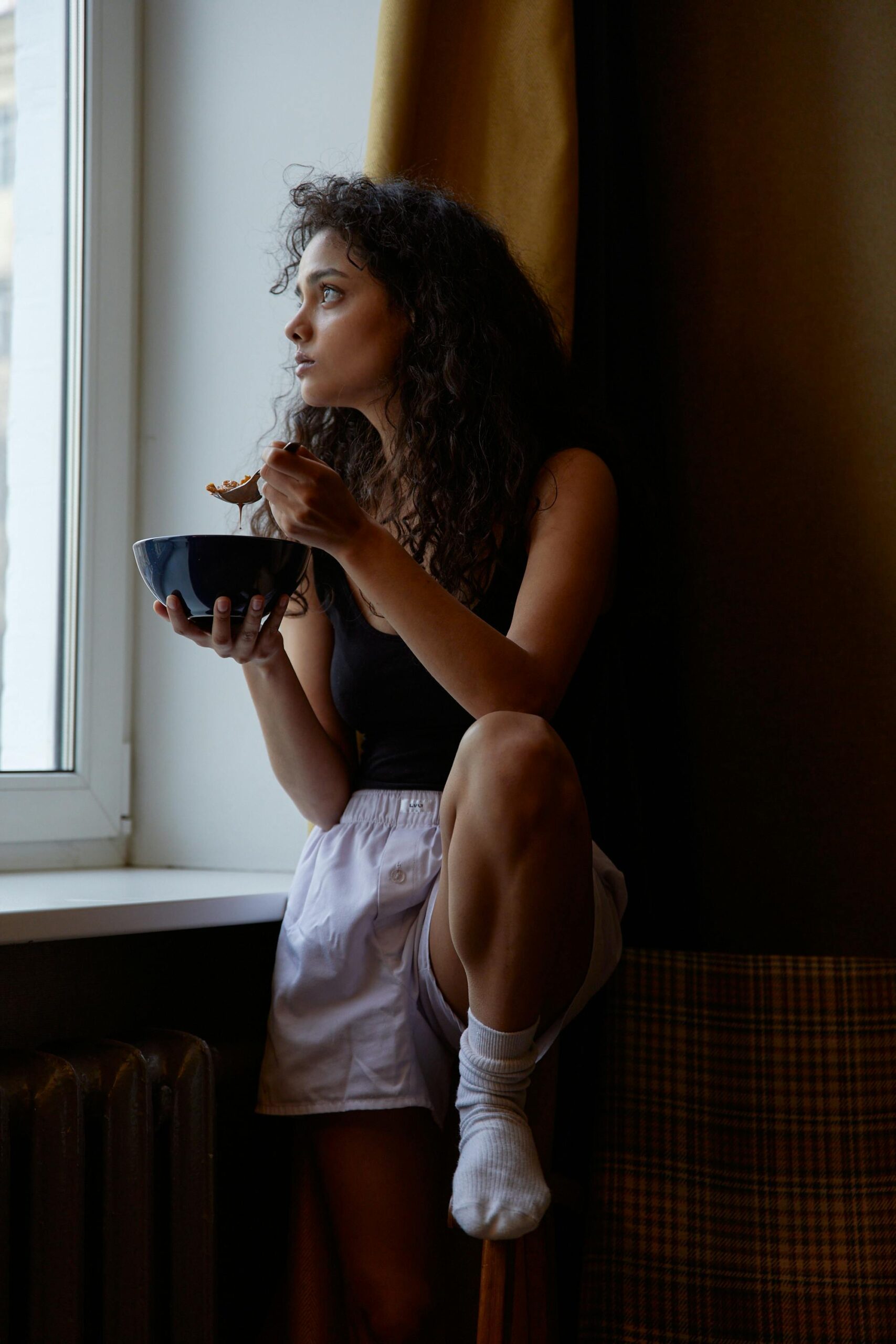
Anxiety can come and go without warning. Some days you feel calm, but on others your heart races and your mind spins. Many things can cause anxiety, but what you eat matters more than you might think. Knowing which foods can make anxiety worse may help you feel more balanced.

This guide will show how some foods can affect anxiety, which ones may make symptoms worse, and how to make better choices without feeling pressured or guilty.
How Diet Affects Anxiety Symptoms
What you eat affects your brain. Blood sugar, inflammation, and gut health all play a part in how your body handles stress.
According to Harvard Health Publishing, sudden blood sugar spikes and crashes can trigger symptoms like nervousness, irritability, and fatigue (Harvard Health). Over time, a diet high in processed foods may increase inflammation, which researchers link to anxiety and depression.
This is why it helps to know which foods can make anxiety worse.
Worst Foods for Anxiety (Backed by Research)
These foods and drinks often make anxiety symptoms worse. You do not have to cut them out completely, but knowing about them can help you make better choices.
1. Sugary Drinks (Fruit Juice, Soda, Energy Drinks)
Sugary drinks quickly raise your blood sugar, then cause it to drop just as fast. These drops can feel like anxiety, causing shaking, sweating, or irritability.
The American Heart Association reports that high sugar intake is linked to mood instability and increased stress response. Because liquid sugar absorbs quickly, sugary drinks rank high among the worst foods for anxiety.
2. Refined Carbohydrates (White Bread, Toast, Pastries)
Refined carbs turn into sugar quickly in your body. This can make your energy and mood go up and down.
A study published in The American Journal of Clinical Nutrition found that diets high in refined carbohydrates were associated with higher anxiety and depression risk. For many people, refined carbs are among the worst foods for anxiety due to their effect on blood sugar.
3. Artificial Sweeteners (Diet Soda, Sugar Substitutes)
Artificial sweeteners can change gut bacteria and how the brain sends signals. Some studies suggest they might make anxiety and mood worse for some people.
The National Institutes of Health (NIH) notes that gut health plays a role in mental health through the gut–brain axis (NIH). Because artificial sweeteners can disrupt gut balance, they often appear on lists of the worst foods for anxiety.
4. Excessive Caffeine (Coffee, Energy Drinks)
Caffeine wakes up your nervous system and raises cortisol, a stress hormone. If you are sensitive to anxiety, this can sometimes cause panic-like feelings.
According to the Anxiety and Depression Association of America, caffeine can worsen anxiety by increasing heart rate and nervousness (ADAA). High-caffeine drinks consistently rank among the worst foods for anxiety.
5. Alcohol
Alcohol might seem calming at first, but it often makes anxiety worse later. It can disturb your sleep, dry out your body, and affect brain chemicals.
The National Institute on Alcohol Abuse and Alcoholism reports that alcohol can worsen anxiety symptoms, especially during withdrawal or hangovers (NIAAA). For mental health, alcohol is one of the worst foods for anxiety in the long term.
6. Processed and Ultra-Processed Foods
Ultra-processed foods have additives, preservatives, and unhealthy oils. They do not give your brain much of the nutrition it needs.
A large study published in Public Health Nutrition linked high intake of ultra-processed foods with increased anxiety and depression. This makes processed foods a major category among the worst foods for anxiety.
7. Fried Foods
Fried foods can cause more inflammation and stress in the body. Inflammation is closely linked to anxiety and other mood problems.
Research cited by Harvard Health shows that diets high in fried foods may worsen mental health outcomes. Because they combine unhealthy fats and refined carbs, fried foods often worsen anxiety symptoms.
8. High-Sodium Foods (Soy Sauce, Processed Meats)
Too much salt can change your hydration, raise blood pressure, and affect stress hormones. Processed meats also have preservatives that may cause more inflammation.
The World Health Organization links high sodium intake to poor overall health, which, in turn, indirectly affects mental well-being (WHO). For some people, salty processed foods belong on the list of worst foods for anxiety.
9. Foods High in Added Sugar (Frosting, Doughnuts, Candy)
Foods with lots of sugar and fat can make your energy go up and down quickly. These changes can make you feel more restless and worried.
Repeated blood sugar spikes strain the nervous system, making sugary treats some of the worst foods for anxiety when eaten often.
Food Sensitivities and Anxiety
Some people are sensitive to foods like gluten, dairy, or certain additives. These sensitivities can make anxiety symptoms worse.
Rather than cutting out foods completely, experts suggest paying attention to how you feel after eating. This gentle method can help you find which foods make your anxiety worse, without adding extra stress.
Worst Foods for Anxiety vs Overall Mental Health
Foods that make anxiety worse are often the same ones linked to depression and brain fog. Inflammation, blood sugar swings, and gut problems are common reasons why.
Remember, no single food causes anxiety on its own. What matters most is your overall eating habits, not being perfect.
What to Eat Instead for Anxiety Support
Choosing healthier foods instead of those that trigger anxiety can help you feel calmer.
Helpful foods include:
- Complex carbohydrates like oats and brown rice
- Lean proteins
- Omega-3-rich fish
- Magnesium-rich foods like leafy greens
- Fermented foods for gut health
These foods help keep your blood sugar steady and support your nervous system.

Simple Tips to Reduce Anxiety-Triggering Foods
Making small changes is easier and more effective.
- Eat regular meals
- Pair carbs with protein
- Reduce caffeine slowly
- Drink enough water
These habits help you rely less on anxiety-triggering foods, without needing strict rules.
Anxiety Treatment Options Beyond Diet
A healthy diet can help your mental health, but it is not a substitute for professional care.
Evidence-based treatments include:
- Therapy such as CBT
- Mindfulness and meditation
- Medication when needed
The American Psychological Association emphasizes combined approaches for anxiety management (APA).
Helpful Video Resource
Harvard Health Publishing explains how diet and mental health are connected in a clear, science-based way.
YouTube Video:
Final Thoughts
Learning about which foods can make anxiety worse is not about restriction or blame. It is about being aware and making choices. Food can either put stress on your nervous system or help support it.
Making small, steady changes can bring the most relief. When you cut back on anxiety-triggering foods and choose healthier options, you may notice a more stable mood, better energy, and a calmer mind.
References
- Harvard Health Publishing – Diet and Mental Health
https://www.health.harvard.edu - National Institutes of Health – Nutrition and Brain Health
https://www.nih.gov - Anxiety and Depression Association of America – Caffeine and Anxiety
https://adaa.org - National Institute on Alcohol Abuse and Alcoholism – Alcohol and Anxiety
https://www.niaaa.nih.gov - World Health Organization – Nutrition and Health
https://www.who.int

Hi, I’m Brittany Larsen, a passionate blogger and content creator dedicated to writing meaningful and engaging articles. I specialize in topics like mental health, wellness, and personal development, aiming to inspire and empower my readers through relatable stories and practical advice.