Now Reading: Apps for Depression: What Helps, What to Know, and What to Avoid
-
01
Apps for Depression: What Helps, What to Know, and What to Avoid
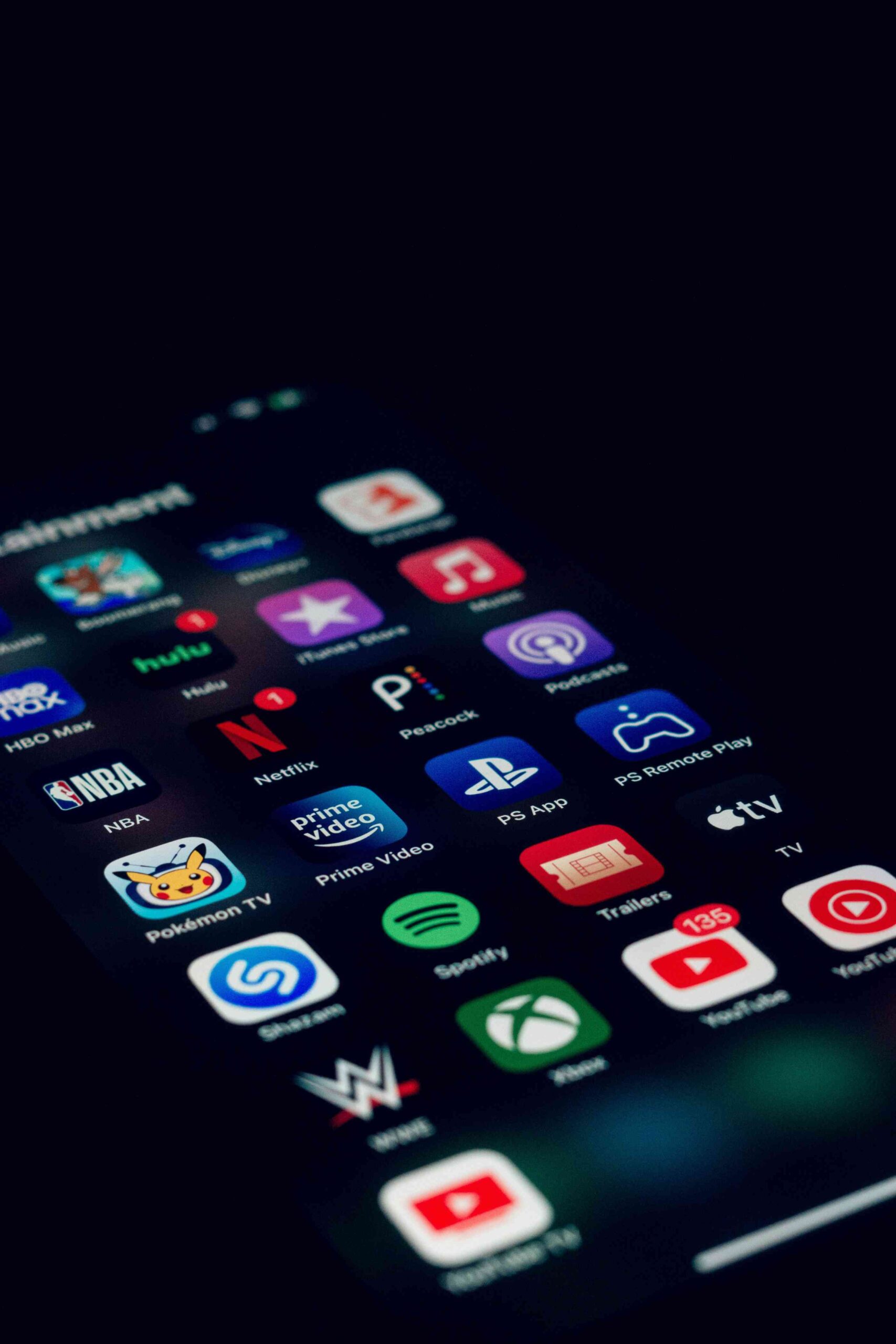
Depression can make daily tasks feel difficult. Things like getting out of bed, replying to messages, or reaching out for help may seem overwhelming. For this reason, many people try depression apps as a first step toward support.
Depression apps are not a substitute for therapy or medication, but they can provide structure, coping tools, and gentle support. This article covers how these apps work, which ones are most helpful, and how to use them safely.
Why People Turn to Apps for Depression
Depression is common. According to the World Health Organization, more than 280 million people worldwide live with depression (WHO). At the same time, access to mental health care remains limited for many.
Apps for depression feel appealing because they are:
- Easy to access
- Private
- Available anytime
- Often low-cost or free
If you are unsure about therapy or need support between sessions, depression apps can be a manageable way to start getting help.
Can Apps for Depression Really Help?
Depression apps can be helpful if they use proven methods. Research in JMIR Mental Health shows that digital mental health tools can reduce mild to moderate depression symptoms when used regularly.
The National Institutes of Health (NIH) says self-management tools can help with mood awareness, coping skills, and staying involved in treatment (NIH). However, depression apps work best as support, not as the only treatment.
What to Look for in Apps for Depression
Not all depression apps are equally helpful. Knowing what to look for can help you make a good choice.
Evidence-Based Methods
Look for apps that use:
- Cognitive Behavioral Therapy (CBT)
- Mindfulness-based practices
- Behavioral activation
These methods are well supported by research for treating depression.
Privacy and Data Protection
Mental health information is private. Good depression apps clearly explain how they keep your data safe.
The U.S. Food and Drug Administration (FDA) encourages users to review privacy policies before using digital health tools (FDA).
Ease of Use
Depression can lower your energy and make it hard to focus. The best depression apps are simple, gentle, and easy to use, even on tough days.
FDA-Approved and Clinically Supported Apps for Depression
Most depression apps are considered wellness tools. Only a few are digital therapeutics and may get FDA approval.
In 2020, the FDA approved the first prescription digital therapy for depression. NPR reports that this was a big step toward evidence-based mental health apps (NPR). These tools need a clinician’s involvement and focus on specific symptoms.
Best Types of Apps for Depression
Different depression apps meet different needs. Picking the right kind is important.
Apps for Mood Tracking and Self-Awareness
Mood tracking apps help you notice patterns over time. Keeping track of sleep, mood, and energy can support therapy and help with self-reflection.
These depression apps can raise awareness, but they are most helpful when used with other actions or support.
Apps Using Cognitive Behavioral Therapy (CBT)
CBT helps people challenge negative thoughts. Many depression apps include guided CBT exercises, journaling prompts, and tools to reframe your thinking.
The American Psychological Association recognizes CBT as an effective treatment for depression (APA).
Apps for Mindfulness and Meditation
Mindfulness apps teach breathing exercises, body awareness, and meditation. These skills can help reduce overthinking and feeling emotionally overwhelmed.
Research published in JAMA Internal Medicine shows mindfulness practices can reduce depressive symptoms, especially when used consistently.
Apps for Peer Support and Community
Some depression apps offer anonymous peer support. Connecting with others can help you feel less alone and boost your mood and motivation.
These apps are most helpful when the community is moderated and safety rules are clear.
Apps That Connect Users to Therapists
Online therapy platforms let you connect with licensed professionals by messaging or video. These depression apps make care more accessible, but they often require a subscription.
The American Psychiatric Association notes that teletherapy can be as effective as in-person care for many people.
Popular Apps for Depression (Examples)
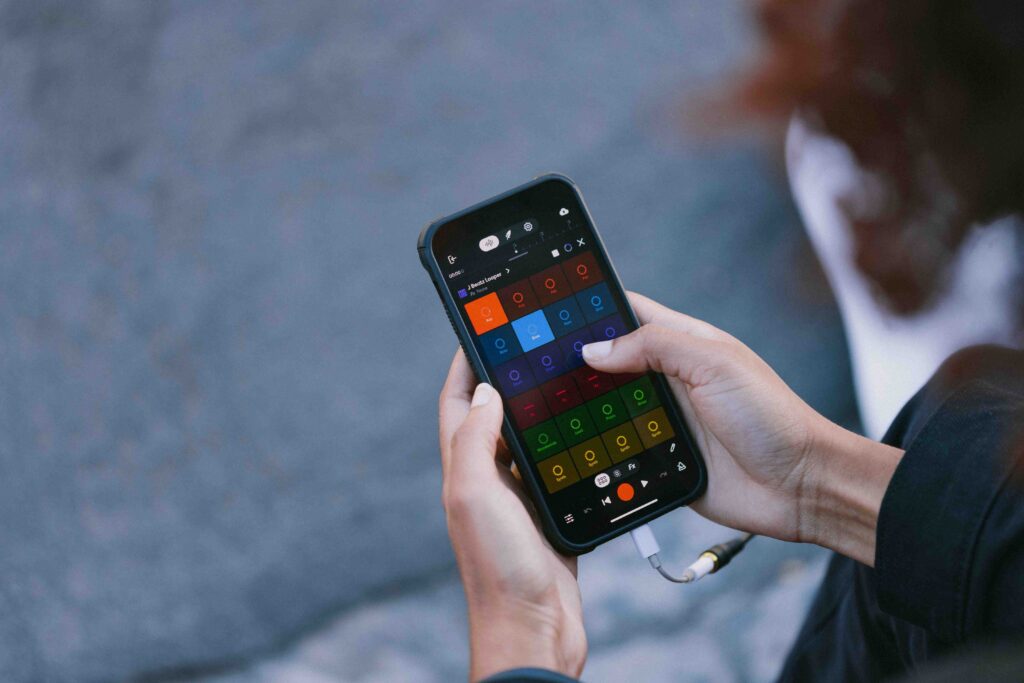
These depression apps are well-known and often talked about:
- Happify – CBT-based activities for mood improvement
- Headspace – Guided meditation and mindfulness
- Calm – Relaxation, sleep, and stress reduction
- Sanvello – Evidence-based tools for mood tracking
- IntelliCare – A suite of apps for depression and anxiety
- TogetherAll – Moderated peer support community
- BetterHelp – Online therapy with licensed professionals
Listing these apps does not mean they are recommended for everyone. How well they work can vary from person to person.
Limitations of Apps for Depression
Depression apps do have real limitations.
They may not work well when:
- Motivation is very low.
- Symptoms are severe
- Suicidal thoughts are present.
- Substance use complicates mood.
Depression apps should never take the place of emergency or professional care.
When Apps for Depression Are Not Enough
Seek professional help if depression includes:
- Persistent hopelessness
- Thoughts of self-harm
- Loss of daily functioning
- Substance-use relapse risk
The 988 Suicide & Crisis Lifeline offers immediate support in the U.S. (988lifeline.org).
How to Use Apps for Depression Safely and Effectively
Use apps for depression as part of a bigger plan.
- Start with one app
- Set gentle reminders
- Use apps alongside therapy.
- Focus on progress, not streaks.
Consistency matters more than perfection.
Apps for Depression vs Traditional Treatment
Traditional treatment includes:
- Therapy
- Medication
- Lifestyle changes
Depression apps can be a helpful addition to these treatments. The NIH says that using several types of care together leads to the best results.
Helpful Video Resource
The National Institute of Mental Health (NIMH) provides clear and reliable information about depression treatment options.
YouTube Video:
Final Thoughts
Apps for depression can offer structure, insight, and support—especially when access to care feels limited. They work best when used with compassion, patience, and professional guidance.
If a depression app does not help, it does not mean you have failed. Healing is different for everyone. When used thoughtfully, these apps can be a helpful part of your mental health journey.
References
- World Health Organization – Depression
https://www.who.int - National Institutes of Health – Mental Health
https://www.nih.gov - U.S. Food and Drug Administration – Digital Health
https://www.fda.gov - American Psychological Association – Depression Treatment
https://www.apa.org - NPR Health – FDA-Approved Mental Health Apps
https://www.npr.org

Hi, I’m Brittany Larsen, a passionate blogger and content creator dedicated to writing meaningful and engaging articles. I specialize in topics like mental health, wellness, and personal development, aiming to inspire and empower my readers through relatable stories and practical advice.