Now Reading: Does Tai Chi Help With Anxiety? A Gentle Path to Calm
-
01
Does Tai Chi Help With Anxiety? A Gentle Path to Calm
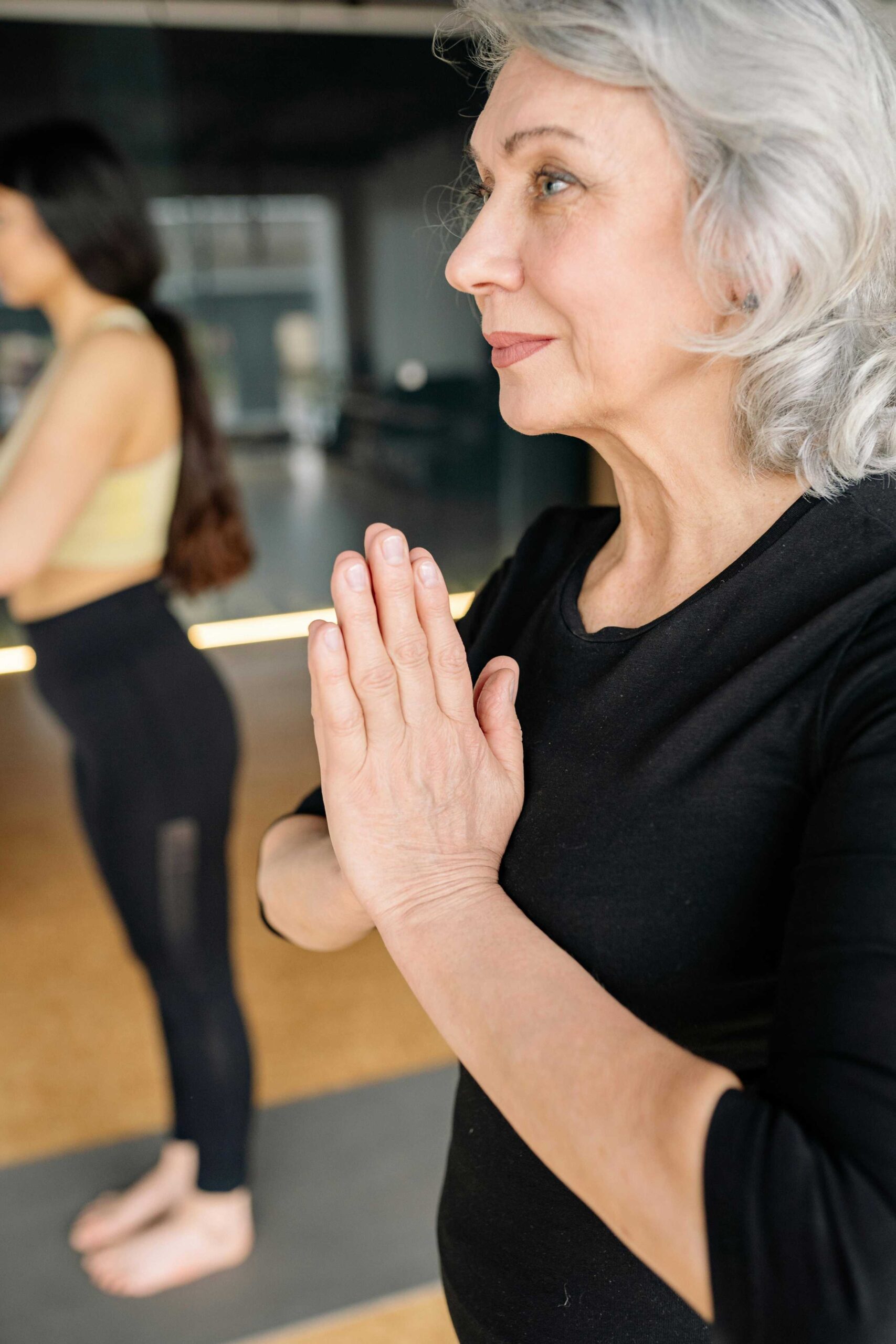
Anxiety is a common experience for millions of people worldwide. Racing thoughts, tense muscles, and ongoing worry can make daily life feel overwhelming. The World Health Organization (WHO) reports that more than 300 million people live with anxiety disorders. As a result, many people look for natural ways to support their mental health.
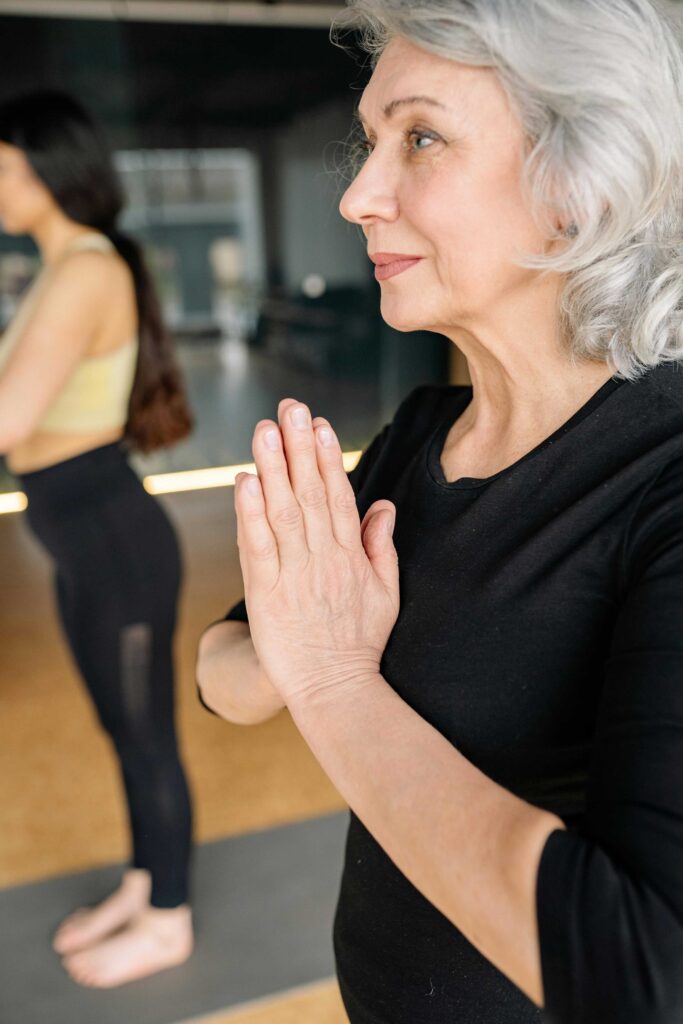
Many people wonder if tai chi can help with anxiety. Tai chi is a gentle, slow-moving exercise that blends movement, breathing, and mindfulness. Research shows that tai chi may lower stress and support emotional balance. This article looks at whether tai chi helps with anxiety, the science behind it, and how beginners can start safely.
What Is Tai Chi?
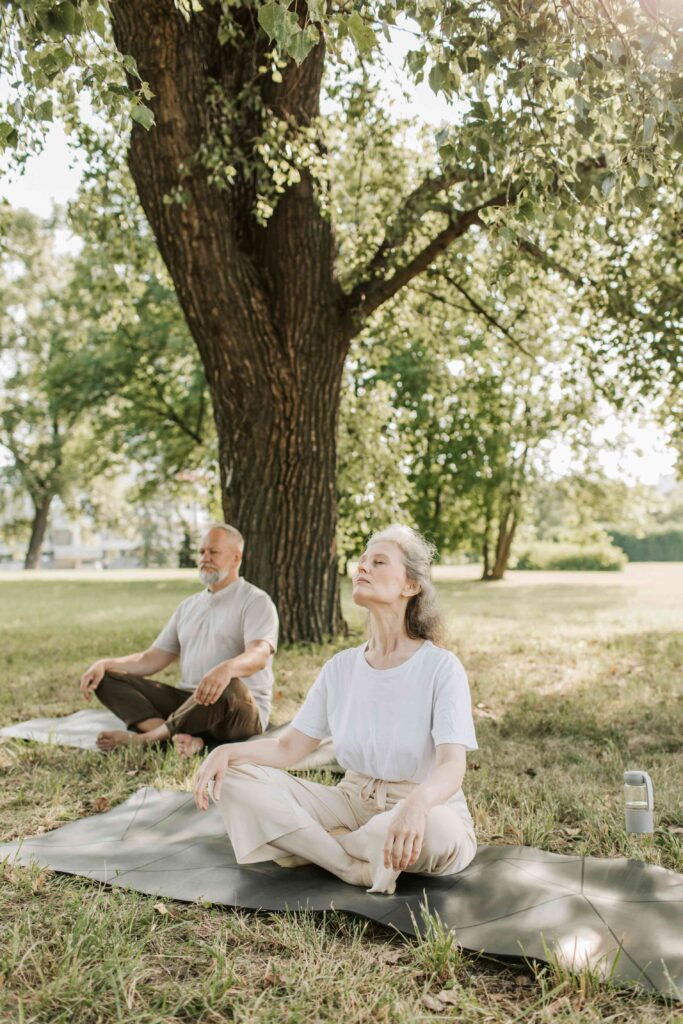
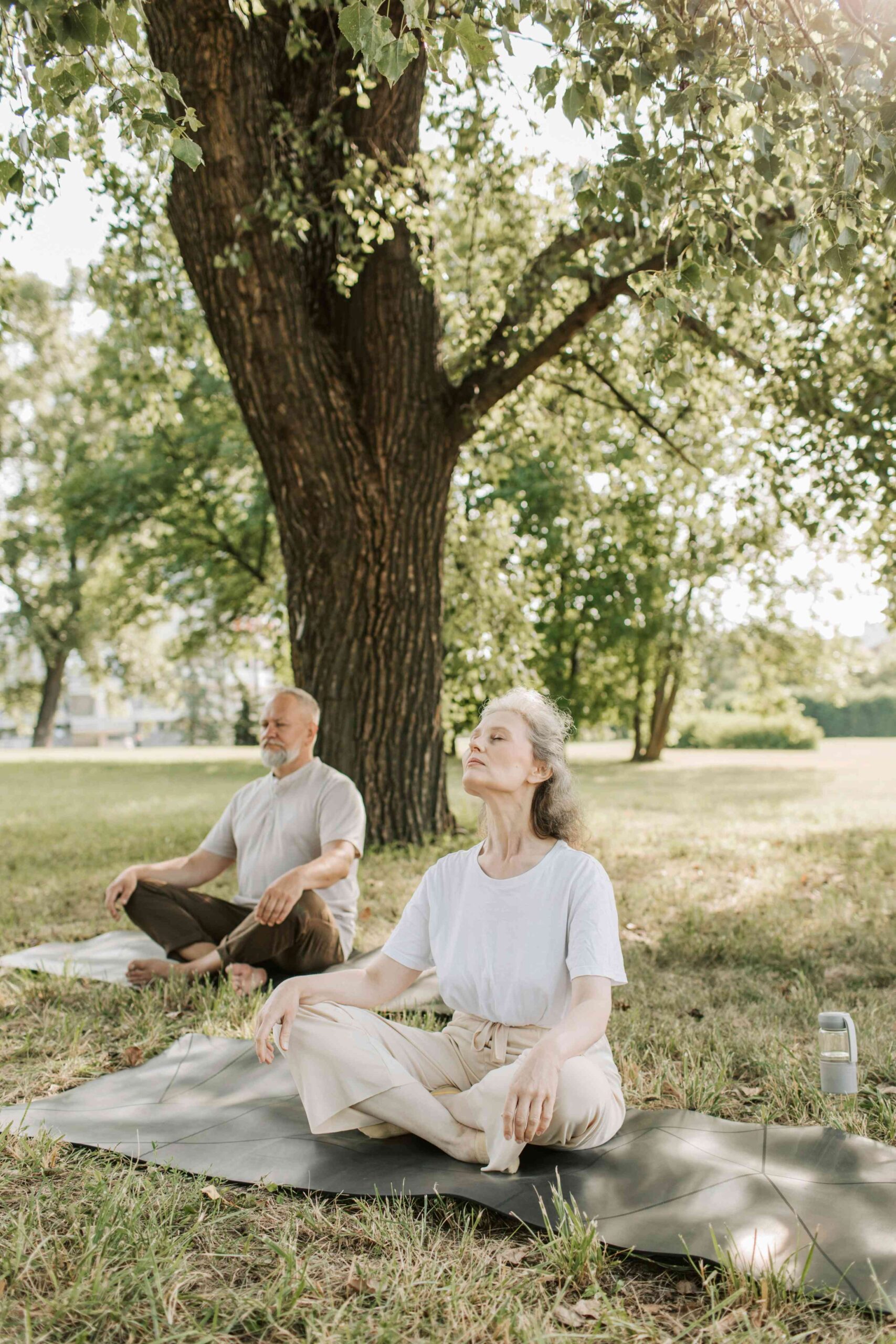
Tai chi originated as a traditional Chinese martial art and has evolved into a gentle exercise that promotes relaxation and overall health. It is often referred to as “meditation in motion.”
When asking if tai chi helps with anxiety, it helps to understand how the practice works. Tai chi combines slow movements, controlled breathing, and focused attention. These elements create a calming effect on the body and mind.
Tai chi’s gentle style makes it suitable for people of all ages and fitness levels.
What Is Anxiety?
Anxiety is how the body naturally reacts to stress. It becomes a concern when worry and fear last a long time or disrupt daily life.
Common symptoms include:
- Restlessness
- Muscle tension
- Rapid heartbeat
- Difficulty concentrating
- Sleep problems
The National Institute of Mental Health (NIMH) explains that anxiety disorders are among the most common mental health conditions. This reality makes people wonder more often: Does tai chi help with anxiety as a natural coping strategy?
Does Tai Chi Help With Anxiety?
Many studies suggest that tai chi does help with anxiety. It brings together movement and mindfulness, which can lower stress and boost mood.
Research summarized by the National Center for Complementary and Integrative Health shows that tai chi may help reduce stress, anxiety, and depression while improving overall well-being.
Practicing tai chi often helps the body move from feeling stressed to feeling relaxed. Many people notice fewer anxiety symptoms when they practice regularly.
How Tai Chi Reduces Anxiety
To see if tai chi helps with anxiety, it’s important to look at how it affects the body.
1. Regulates the Nervous System
Tai chi activates the parasympathetic nervous system, which promotes relaxation. This system slows heart rate and reduces the release of stress hormones.
When people practice tai chi regularly, their bodies become better at calming down after stress.
2. Encourages Deep Breathing
Tai chi movements go hand in hand with slow, deep breathing. This kind of breathing lowers cortisol and helps ease tension.
Because breathing plays such a strong role in anxiety regulation, this is one reason does tai chi help with anxiety often receives a positive answer.
3. Improves Mindfulness
Tai chi helps people focus on the present. Rather than worrying about what’s next, you pay attention to each movement.
Practices like tai chi can help break the cycle of anxious thoughts.
4. Provides Gentle Physical Activity
Exercise releases endorphins, the body’s natural mood boosters. Tai chi offers these benefits without the strain of intense workouts.
Because of its low impact, tai chi remains accessible even for people who struggle with high-intensity exercise.
Research on Tai Chi and Anxiety
Researchers continue to study whether tai chi helps with anxiety. A review in medical journals found that tai chi greatly reduced anxiety symptoms in several clinical trials.
Harvard Health Publishing says tai chi may lift mood, lower stress, and support emotional balance.
Researchers believe these benefits come from the combined effects of movement, breathwork, and mindfulness.
Tai Chi Poses That Help With Anxiety
If you are curious about whether tai chi helps with anxiety, starting with simple movements can be a good place to begin.
1. Standing Meditation
Stand with your feet about shoulder-width apart. Let your shoulders relax and breathe slowly. Pay attention to how your breath moves in and out.
This pose encourages calm awareness.
2. Wave Hands Like Clouds
In this movement, you slowly shift your weight and move your arms in gentle circles.
The steady rhythm of this movement helps relax both your mind and body.
3. Golden Rooster Stands on One Leg
This pose helps with balance and focus. Slowly lift one leg and keep your breathing steady.
Focusing on your balance in this pose can help interrupt anxious thoughts.
The Importance of Breathwork in Tai Chi
Breathing plays a central role when exploring whether tai chi helps with anxiety. Tai chi encourages slow, diaphragmatic breathing.
Deep breathing increases oxygen flow and activates the relaxation response. Many therapists recommend breath-focused practices because they quickly calm the nervous system.
When you match your breathing with your movements, tai chi becomes both a form of exercise and a kind of meditation.
Tai Chi for Anxiety in Addiction Recovery
People recovering from substance use often struggle with anxiety and emotional triggers. Learning coping strategies is essential for long-term recovery.
The Substance Abuse and Mental Health Services Administration (SAMHSA) highlights mindfulness-based activities as helpful recovery tools. Tai chi fits naturally into this approach.
Practicing tai chi helps people notice cravings and emotions without reacting right away. This builds emotional strength.
How to Get Started With Tai Chi
If you’re wondering if tai chi helps with anxiety, the best way to know is to give it a try.
You can start with beginner videos or join a local class. Try practicing for 10 to 20 minutes a few times a week.
Focus on moving slowly and keeping your breathing relaxed. Take your time and be patient with yourself.
Being consistent is more important than being perfect.
Maintaining the Benefits of Tai Chi
Tai chi is most effective when you practice it regularly. Many people feel better and less stressed after a few weeks of practice.
The real answer to whether tai chi helps with anxiety is consistency. Even a few minutes of practice each day can lead to lasting mental health benefits.
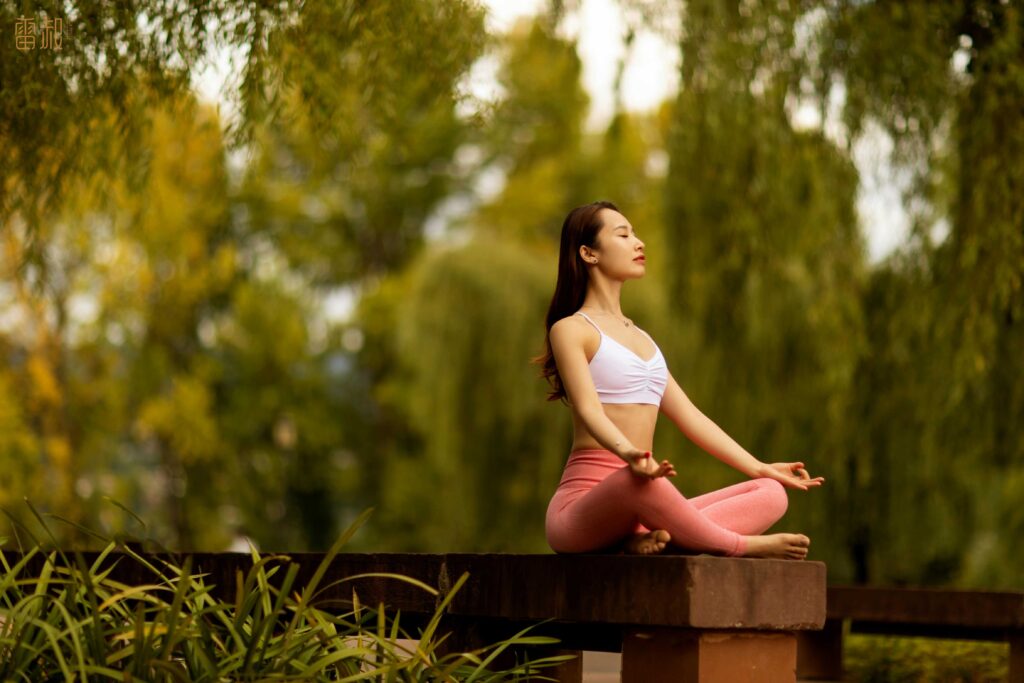
Final Thoughts: Does Tai Chi Help With Anxiety?
So, does tai chi help with anxiety? Research and experience suggest that it can. Tai chi supports relaxation, improves emotional balance, and strengthens the mind-body connection.
While tai chi does not replace professional mental health care, it can complement therapy, medication, and other treatments.
With patience and regular practice, tai chi offers a gentle path toward calm and emotional resilience.
Watch: Tai Chi for Stress Relief (NCCIH)
For a trusted introduction to tai chi and its health benefits, watch this video from Kung Fu & Tai Chi Center w/ Jake Mace :
References
- World Health Organization (WHO). Mental Disorders Fact Sheet.
https://www.who.int/news-room/fact-sheets/detail/mental-disorders - National Institute of Mental Health (NIMH). Anxiety Disorders.
https://www.nimh.nih.gov/health/topics/anxiety-disorders - National Center for Complementary and Integrative Health (NCCIH). Tai Chi: What You Need to Know.
https://www.nccih.nih.gov/health/tai-chi-what-you-need-to-know - Harvard Health Publishing. The Health Benefits of Tai Chi.
https://www.health.harvard.edu/staying-healthy/the-health-benefits-of-tai-chi - Substance Abuse and Mental Health Services Administration (SAMHSA). Recovery Resources.
https://www.samhsa.gov/find-help/recovery

Hi, I’m Brittany Larsen, a passionate blogger and content creator dedicated to writing meaningful and engaging articles. I specialize in topics like mental health, wellness, and personal development, aiming to inspire and empower my readers through relatable stories and practical advice.