Now Reading: Tai Chi Emotional Release: How Gentle Movement Helps You Let Go of Stress
-
01
Tai Chi Emotional Release: How Gentle Movement Helps You Let Go of Stress
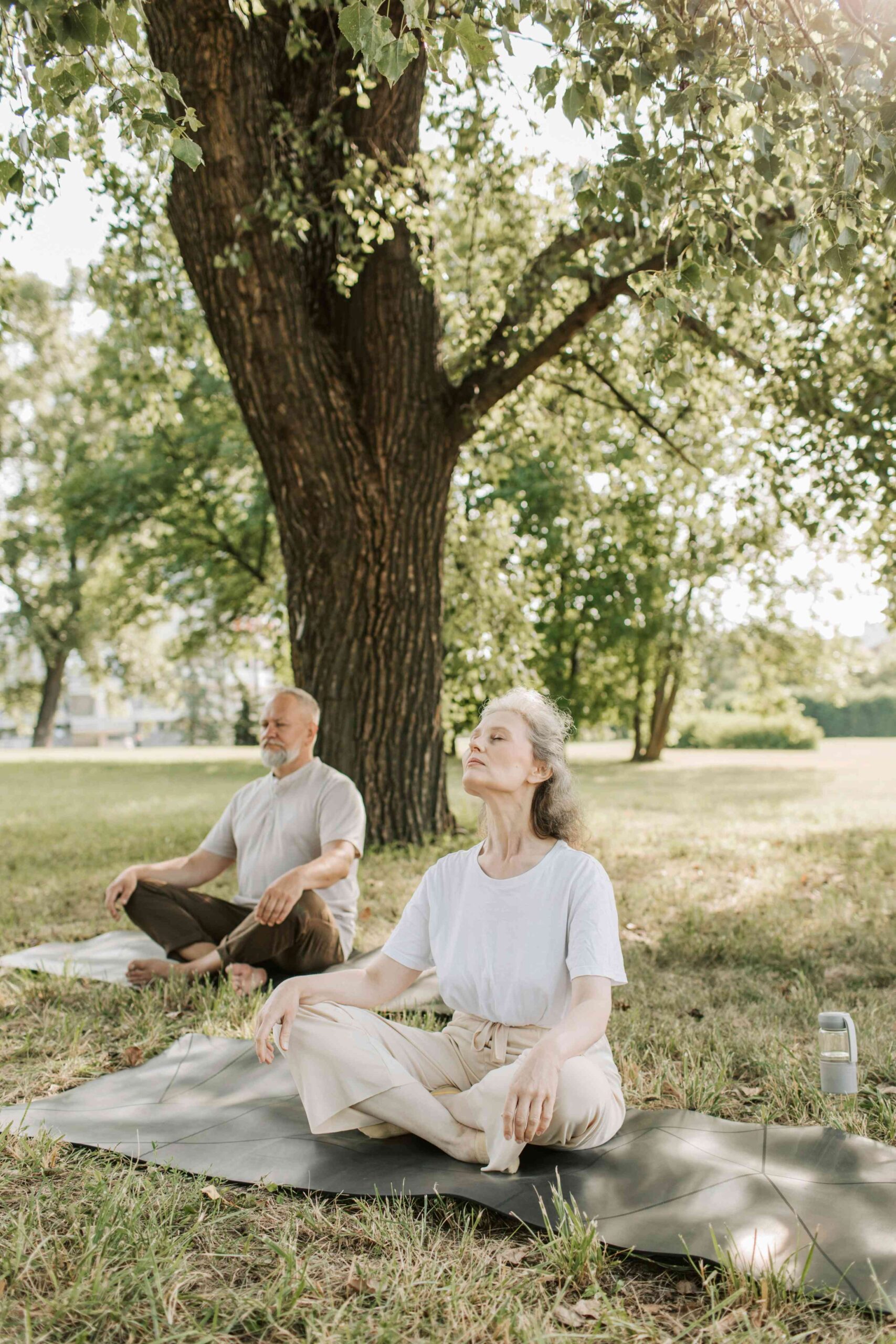
A lot of people hold onto emotional stress in their bodies without even knowing it. Stiff shoulders, shallow breathing, and ongoing tiredness can all be signs of emotions that haven’t been dealt with. The American Psychological Association says that over 75% of adults have physical symptoms caused by stress (APA). That’s why many are looking for natural ways to let go of emotional tension.
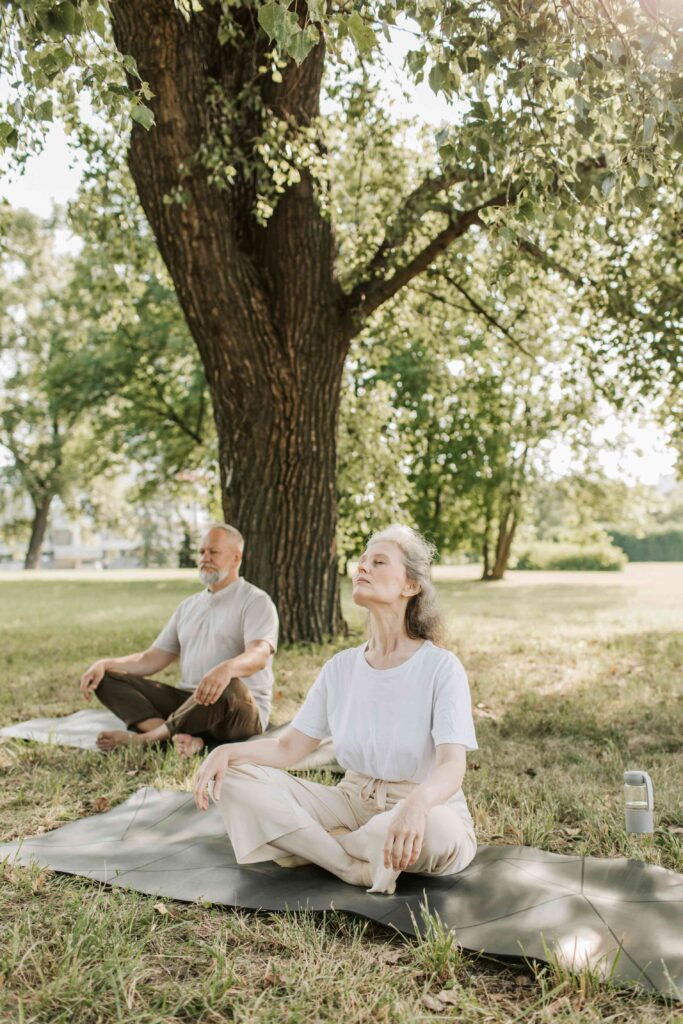
This is where tai chi emotional release becomes powerful. Tai Chi combines slow movements, mindful breathing, and focused awareness. These elements help calm the nervous system and allow emotions to flow rather than remain trapped in the body. In this guide, we explore the science behind tai chi emotional release, its mental health benefits, and simple techniques you can begin practicing today.
What Is Tai Chi?
Tai Chi started as an ancient Chinese martial art. Over the years, it became a gentle mind-body exercise that helps with balance, relaxation, and emotional well-being.
Many practitioners describe Tai Chi as “meditation in motion.” Instead of sitting quietly like traditional meditation, the body moves slowly and deliberately. This combination of movement and awareness creates powerful opportunities for tai chi emotional release.
Tai Chi isn’t like tough workouts. People of any age or fitness level can do it. Its slow pace helps both your body and mind relax deeply.
Understanding Tai Chi Emotional Release
Emotions aren’t just in your mind—they show up in your body too. Stress, grief, anger, and anxiety can cause tight muscles, shallow breathing, or tiredness.
The idea behind tai chi emotional release is straightforward. Moving your body slowly and with attention helps tension ease up. Your breathing gets deeper, and you become more aware. This lets old emotions come up and slowly let go.
Research from the National Center for Complementary and Integrative Health notes that Tai Chi may help reduce stress, anxiety, and depression symptoms (NCCIH). This emotional shift is a key part of tai chi emotional release.
The Connection Between Emotion and Movement
The human body stores emotional experiences in the nervous system. When stress becomes chronic, muscles remain tense and breathing patterns become shallow.
Moving your body can help break this pattern. Tai Chi uses slow weight shifts, relaxed posture, and steady breathing. These actions tell your brain that you are safe.
When your nervous system relaxes, your body can release emotions more easily with Tai Chi. Rather than holding emotions in, you process them slowly by moving mindfully.
The Science Behind Tai Chi Emotional Release
Research backs up many parts of tai chi emotional release. Tai Chi affects several systems in the body that are linked to mental health.
First, Tai Chi lowers cortisol, which is the main stress hormone. It also activates the part of your nervous system that helps you relax. Finally, it boosts mindfulness and helps you notice your body more.
Harvard Health Publishing says Tai Chi can lift your mood, lower anxiety, and help you feel more emotionally balanced (Harvard Health). These effects help explain why tai chi emotional release often leaves people feeling calmer and more steady.
Mental Health Benefits of Tai Chi Emotional Release
Practicing tai chi emotional release regularly brings several mental health benefits.
Reduces Stress and Anxiety
Breathing slowly and moving mindfully help calm your nervous system. Many people feel less stressed after only a few sessions.
Improves Emotional Regulation
Tai Chi helps you become more aware. This awareness lets you notice your emotions without reacting right away.
Enhances Body Awareness
When you practice tai chi emotional release, you learn to spot tension in your body and let it go through movement.
Promotes Better Sleep
The relaxation techniques you use in Tai Chi can often help you sleep better.
Builds Emotional Resilience
With time, tai chi emotional release helps you handle emotional ups and downs with more steadiness.
Tai Chi Emotional Release in Addiction Recovery
If you’re recovering from substance use, learning to manage your emotions is very important. Stress and emotions that aren’t dealt with can often lead to relapse.
The Substance Abuse and Mental Health Services Administration (SAMHSA) highlights mindfulness-based practices as helpful recovery tools (SAMHSA). Tai Chi fits naturally into this category.
Practicing tai chi emotional release helps you notice cravings and emotional triggers without reacting to them. Taking this mindful pause can make your recovery skills stronger.
Practical Tai Chi Techniques for Emotional Release
There are several Tai Chi techniques that can help with tai chi emotional release.
Breathwork: The Anchor of Emotional Stability
Breathing slowly from your diaphragm helps calm your nervous system. In Tai Chi, every movement matches your breath. This link helps you feel more emotionally grounded.
Cloud Hands: Moving With Change
Cloud Hands is a classic Tai Chi movement involving gentle arm circles and weight shifts. The flowing motion symbolizes emotional adaptability and supports tai chi emotional release.
Rooting Stances: Building Emotional Stability
Rooting stances focus on grounding the body through the feet. Practitioners imagine their feet connected to the earth. This posture builds a sense of emotional stability.
Silk Reeling: Cultivating Inner Harmony
Silk reeling involves circular, spiral movements of the arms and torso. These movements encourage smooth energy flow and enhance tai chi emotional release.
How to Start Practicing Tai Chi for Emotional Release
Starting tai chi emotional release is easy. Try short sessions of 10 to 15 minutes. Pay attention to slow breathing and relaxed movements.
If you’re new, you can learn from online classes, local Tai Chi groups, or guided videos. What matters most is practicing regularly, not being perfect.
Many people start to feel the benefits after just a few weeks of regular practice.
What to Expect in Your First Month
In your first month of practicing tai chi emotional release, you’ll likely notice gradual changes.
Week 1: Focus on breathing and posture.
Week 2: Learn one basic Tai Chi movement.
Week 3: Coordinate breathing with motion.
Week 4: Practice short flowing sequences.
Following these steps helps you create a routine you can stick with.

Applying Tai Chi Emotional Release in Daily Life
The lessons from tai chi emotional release go beyond just exercise. You learn to pause, breathe, and respond thoughtfully to challenges in life.
This kind of awareness boosts your emotional intelligence. It helps you handle stress, relationships, and big life changes with more calm.
With time, tai chi emotional release can become part of your daily mindset, not just a physical practice.
Final Thoughts on Tai Chi Emotional Release
Life’s challenges can leave emotional tension deep in your body. Gentle movement practices like Tai Chi give you a safe way to let go of that tension.
Tai chi emotional release brings together mindfulness, breathing, and slow movement to help with emotional healing. It’s not a replacement for therapy or medical care, but it can be a strong addition to your mental health routine.
With patience and regular practice, Tai Chi helps your body relax and your mind find balance.
Watch: Tai Chi for Stress and Emotional Wellness
If you want a reliable introduction to Tai Chi, check out this educational video from Kung Fu & Tai Chi Center w/ Jake Mace :
References
American Psychological Association. Stress in America Report.
https://www.apa.org/news/press/releases/stress
National Center for Complementary and Integrative Health. Tai Chi: What You Need to Know.
https://www.nccih.nih.gov/health/tai-chi-what-you-need-to-know
Harvard Health Publishing. The Health Benefits of Tai Chi.
https://www.health.harvard.edu/staying-healthy/the-health-benefits-of-tai-chi
Substance Abuse and Mental Health Services Administration (SAMHSA). Recovery Resources.
https://www.samhsa.gov/find-help/recovery

Hi, I’m Brittany Larsen, a passionate blogger and content creator dedicated to writing meaningful and engaging articles. I specialize in topics like mental health, wellness, and personal development, aiming to inspire and empower my readers through relatable stories and practical advice.