Now Reading: Rosehip Oil Benefits for Hair: Uses, Scalp Care, and Healthy Hair Growth
-
01
Rosehip Oil Benefits for Hair: Uses, Scalp Care, and Healthy Hair Growth
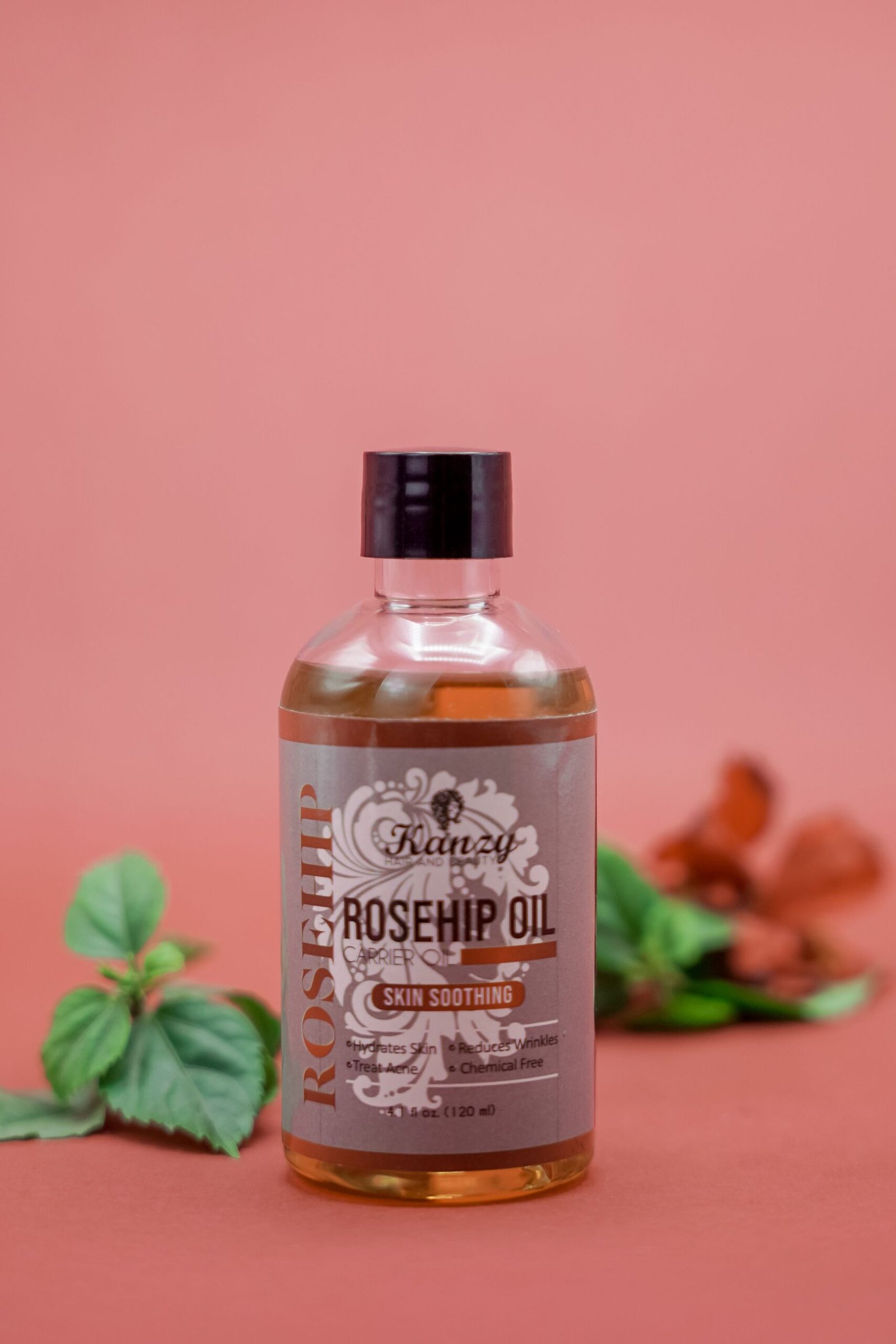
If you want a natural boost for your hair care routine, learning about rosehip oil is a good first step. Rosehip oil is now common in shampoos, conditioners, serums, and homemade hair masks because it has vitamins, antioxidants, and healthy fats that nourish your hair and scalp.
Rosehip oil helps hair by moisturizing dry strands, supporting scalp health, and protecting against damage from the environment. It is not a cure for hair loss, but its nutrients may help your hair look stronger and shinier. This guide explains the science, how to use rosehip oil, and what to watch out for.
What Is Rosehip Oil?
Before we look at the benefits of rosehip oil for hair, let’s first understand what this natural oil is.
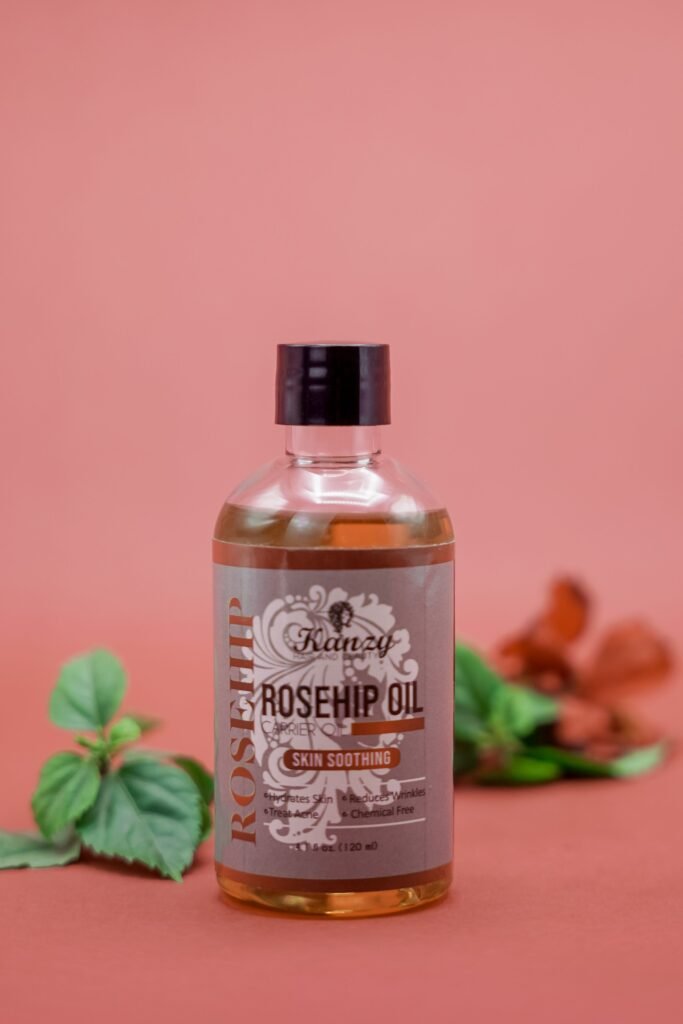
Rosehip oil, or rosehip seed oil, comes from the seeds of wild rose bushes, especially Rosa canina. The best products are cold-pressed, which helps keep their nutrients intact.
Rosehip oil contains several compounds that make it appealing for hair care, including:
- Vitamin E
- Natural carotenoids (provitamin A compounds)
- Omega-3, Omega-6, and Omega-9 fatty acids
- Linoleic acid
- Antioxidants
Rose essential oil is made from rose petals and is mostly used for its scent, while rosehip seed oil is valued for how it nourishes hair. The nutrients in rosehip oil are what give it many of its benefits for hair.
Top Rosehip Oil Benefits for Hair
1. Nourishes the Scalp
One of the most important rosehip oil benefits for hair is its ability to moisturize the scalp.
The fatty acids in rosehip oil help your scalp keep its natural barrier, which reduces dryness and helps it hold onto moisture. A healthy scalp is important for healthy-looking hair.
If your scalp feels tight or flaky from dryness, using rosehip oil can gently hydrate it.
2. May Help Calm an Irritated Scalp
Dryness, environmental factors, and harsh hair products can leave the scalp feeling irritated.
Rosehip oil contains antioxidant and anti-inflammatory plant compounds that may help soothe temporary discomfort. Although rosehip oil benefits for hair include supporting scalp comfort, it is not a treatment for medical scalp conditions such as psoriasis or severe eczema.
If irritation continues, consult a dermatologist for proper evaluation.
3. Helps Hair Look Shinier
Healthy hair reflects light more effectively.
Among the easiest rosehip oil benefits for hair to notice is improved shine. Rosehip oil smooths the outer layer of the hair shaft, helping reduce frizz and dullness while creating a softer appearance.
Just a few drops applied to damp or dry hair can enhance natural shine without making hair feel heavy when used sparingly.
4. Improves Hair Elasticity
Hair that lacks moisture becomes brittle and breaks more easily.
Rosehip oil helps seal moisture into the hair shaft, improving flexibility and reducing the likelihood of breakage during brushing or styling.
This benefit is especially helpful for people with dry, chemically treated, or heat-damaged hair.
5. May Help Reduce Split Ends
Split ends cannot be permanently repaired, but they can appear smoother with proper care.
Rosehip oil coats the hair shaft with lightweight moisture, making damaged ends look healthier and reducing further dryness. Regular trims combined with nourishing oils remain the best approach for managing split ends.
6. Supports Stronger Hair
Daily exposure to sunlight, pollution, and heat styling creates oxidative stress that may weaken hair over time.
The antioxidants in rosehip oil help protect the hair shaft from environmental damage. According to the National Institutes of Health (NIH), antioxidants help defend cells against oxidative stress, although they work best as part of an overall healthy lifestyle. Learn more at https://www.nih.gov/.
These protective effects are part of why rosehip oil is good for your hair.
7. Can Complement Healthy Hair Growth
Many people search for rosehip oil benefits for hair because they hope it will speed up hair growth.
Research does not show that rosehip oil makes new hair grow like some medicines do. Still, keeping your scalp healthy and moisturized is important for good hair.
By reducing dryness and supporting scalp health, rosehip oil may help create better conditions for existing hair to thrive.
8. Works Well With Other Hair Care Products
Another advantage of rosehip oil benefits for hair is its versatility.
Rosehip oil blends well with conditioners, leave-in treatments, and hair masks. It also pairs nicely with nourishing oils such as argan oil, jojoba oil, or coconut oil for extra hydration.
Because it is lightweight, rosehip oil works for many hair types and does not leave a heavy feeling.
Can Rosehip Oil Improve Hair Growth?
A common question is whether rosehip oil can help hair grow faster.
There is not much scientific proof that rosehip oil makes hair grow faster or stimulates hair follicles. Most research looks at its antioxidant, moisturizing, and skin benefits.
Many things affect hair growth, like genetics, hormones, nutrition, stress, and scalp health. Rosehip oil can help your scalp, but it is not a proven treatment for hair loss.
How to Use Rosehip Oil for Hair
Scalp Massage
Rub a few drops of rosehip oil between your hands and gently massage it into your scalp for five to ten minutes.
Let it sit for at least 30 minutes before you shampoo. You can do this once or twice a week.
DIY Rosehip Oil Hair Mask
Ingredients
- 1 tablespoon rosehip oil
- 1 tablespoon coconut oil or argan oil
- 1 teaspoon honey (optional)
Instructions
Mix everything well and spread it from your scalp to your hair ends. Leave it on for 30 to 60 minutes, then wash with a gentle shampoo and conditioner.
Add It to Existing Hair Products
You can add 2 or 3 drops of rosehip oil to your conditioner, leave-in, or hair serum to boost hydration without changing your routine.
Potential Side Effects and Precautions
Rosehip oil has many benefits, but it is important to use it safely.
Always do a patch test before using rosehip oil on your scalp or hair. If you notice redness, itching, or irritation, stop using it right away.
Keep rosehip oil away from your eyes. If you have ongoing scalp issues or severe allergies, talk to a dermatologist before trying new hair products.
The American Academy of Dermatology (AAD) recommends patch testing new skincare and haircare products to reduce the risk of irritation. Learn more at https://www.aad.org/.
How to Choose High-Quality Rosehip Oil
To get the most out of rosehip oil for your hair, look for products that are:
- 100% pure rosehip seed oil
- Cold-pressed
- Packaged in dark glass bottles
- Free from artificial fragrance and mineral oil
- Stored away from heat and direct sunlight
Organic rosehip oil can also be a good choice if it meets these quality standards.

Frequently Asked Questions
What are the biggest rosehip oil benefits for hair?
The main benefits of rosehip oil for hair are that it nourishes your scalp, boosts shine, helps your hair hold moisture, reduces dryness, and makes hair look stronger and healthier.
Can rosehip oil help hair grow faster?
Research does not show that rosehip oil makes hair grow faster, but it can help keep your scalp healthy.
Is rosehip oil good for a dry scalp?
Yes. The fatty acids in rosehip oil help moisturize dry skin and support your scalp’s natural barrier.
How often should I use rosehip oil on my hair?
Most people only need to use rosehip oil once or twice a week, but if your hair is very dry, you might use it more often.
Can I leave rosehip oil in my hair overnight?
Yes, as long as your scalp is comfortable with it. Leaving rosehip oil in overnight can give extra hydration, but be sure to shampoo well in the morning.
Final Thoughts
Rosehip oil has many benefits that make it a great addition to your natural hair care routine. Its mix of fatty acids, antioxidants, and vitamin E helps nourish your scalp, boost shine, keep hair moisturized, and reduce dryness and damage.
Rosehip oil is not a medical treatment for hair loss, but it can help you keep your hair and scalp healthy. For the best results, use it along with gentle cleansing, a balanced diet, regular trims, and good hair care habits.
Recommended YouTube Resource
Here’s a helpful video from Dr. Janine:
References
- American Academy of Dermatology (AAD): https://www.aad.org/
- National Institutes of Health (NIH): https://www.nih.gov/
- National Center for Complementary and Integrative Health (NCCIH): https://www.nccih.nih.gov/
- PubMed – Rosehip Research: https://pubmed.ncbi.nlm.nih.gov/?term=rosehip+oil
- Cleveland Clinic – Hair Care & Scalp Health: https://health.clevelandclinic.org/

Hi, I’m Brittany Larsen, a passionate blogger and content creator dedicated to writing meaningful and engaging articles. I specialize in topics like mental health, wellness, and personal development, aiming to inspire and empower my readers through relatable stories and practical advice.