Now Reading: Advanced Meditation Techniques: A Guide for Deeper Practice
-
01
Advanced Meditation Techniques: A Guide for Deeper Practice
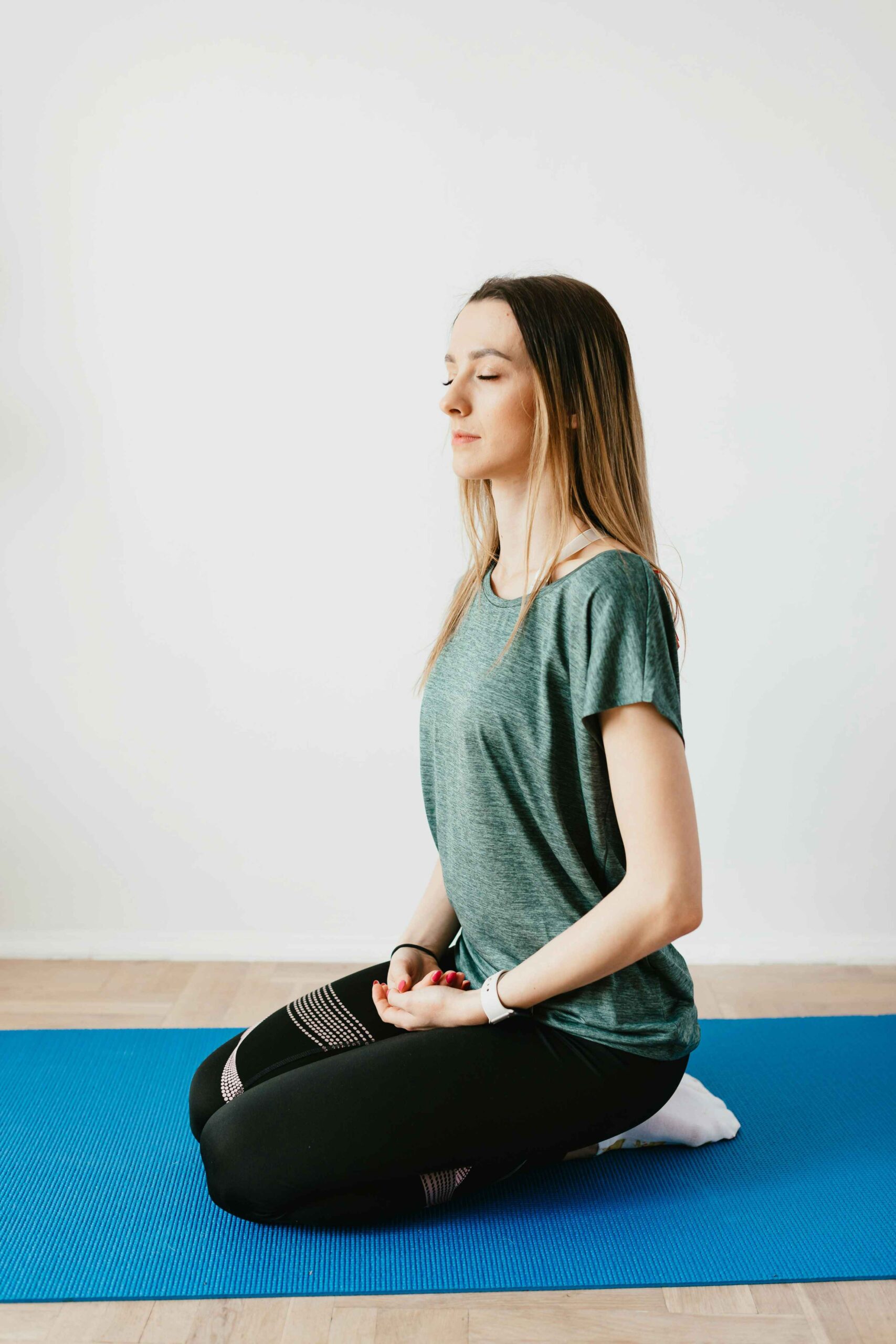
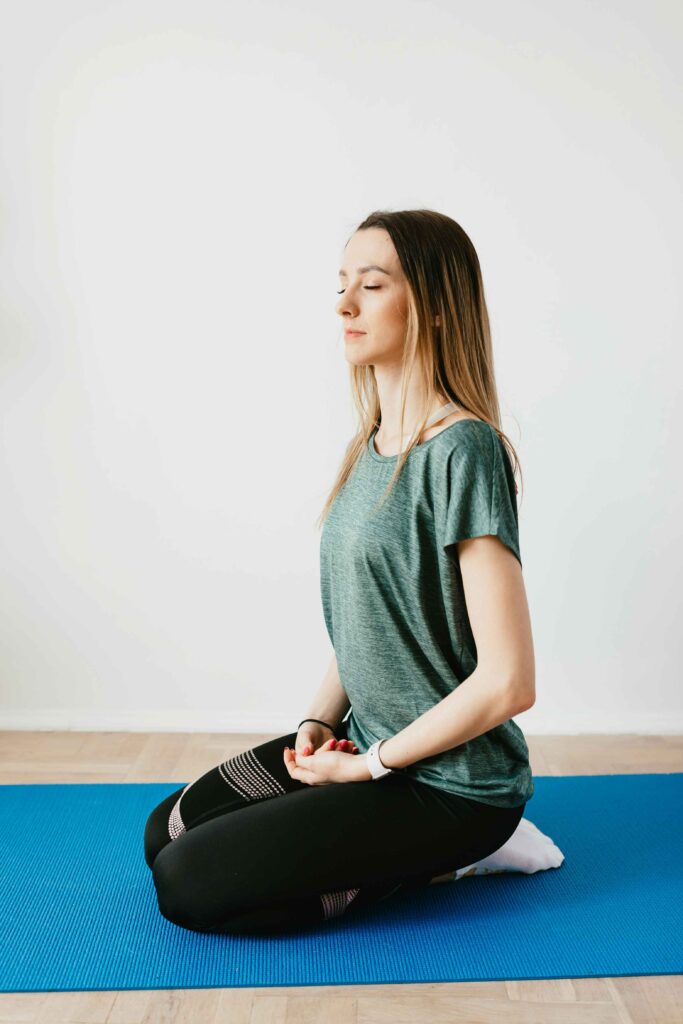
If you already meditate often, you might want to deepen your practice. You know how to sit, breathe, and notice your thoughts, but subtle distractions can still get in the way and progress may seem slow. Advanced meditation techniques can help at this stage.
Advanced practice is not about forcing yourself to be still or trying to feel blissful. Instead, it is about gradually improving your attention, awareness, and intention. Research shows that long-term meditation helps with emotional control, focus, and handling stress. According to Harvard Health Publishing, experienced meditators have changes in brain areas related to attention and emotion regulation (https://www.health.harvard.edu).
This guide covers advanced meditation techniques in a practical, down-to-earth way. It combines traditional wisdom with modern science and uses clear, simple language.
What Makes a Meditation Practice “Advanced”?
Advanced practice focuses on depth, not complexity. You work with subtler distractions and longer periods of awareness. Instead of just calming the mind, advanced meditation techniques develop insight into how thoughts, emotions, and sensations arise and pass.
What Advanced Meditation Is Not
Advanced meditation is not about suppressing thoughts. It is not about achieving special states. It is also not about avoiding emotions. Real progress comes from gentle consistency and honest awareness.
Why Practice Advanced Meditation Techniques?
Long-Term Benefits of Deeper Practice
People who practice advanced meditation techniques often report reduced emotional reactivity, greater focus, and increased compassion. These changes show up not only during meditation but also in daily life.
What Research Shows About Long-Term Meditators
A study in Frontiers in Human Neuroscience found that people who meditate for a long time have thicker brain areas related to attention and emotional control. The National Institutes of Health also says that mindfulness practices lower stress and improve mental clarity (https://www.nccih.nih.gov).
Meditation Hours and What Changes Over Time
Around 100 Hours of Practice
At this point, your attention gets better. You spot distractions more quickly and can return to your breath more easily. Advanced meditation techniques begin to feel within reach.
Around 1,000 Hours of Practice
Concentration strengthens. Emotional reactions soften. You observe thoughts without getting pulled into them.
5,000+ Hours of Practice
With long-term practice, the sense of constant self-focus decreases. Compassion and clarity become more natural. These changes happen slowly and cannot be rushed.
Preparing for Advanced Meditation Techniques
When and How Long to Meditate
Longer meditation sessions help you go deeper. Many people try to meditate for 30 to 60 minutes each day. However, being consistent is more important than how long you sit.
Creating the Right Environment
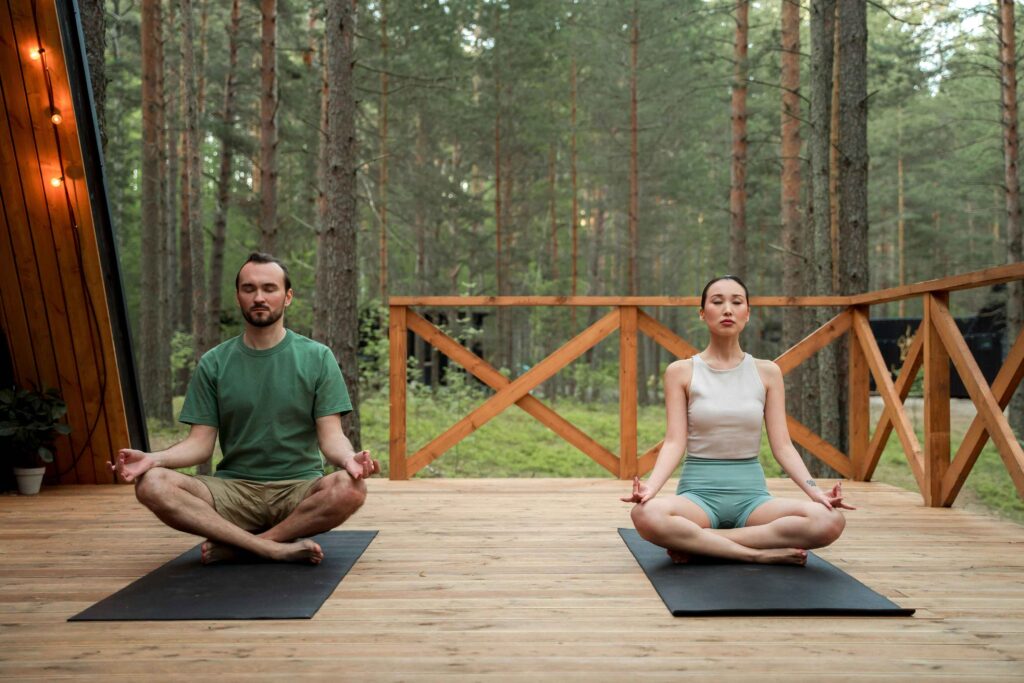
Pick a quiet, simple place to meditate. Sit in a way that is comfortable but keeps you alert. Try to remove distractions, but do not worry about making strict rules.
Is Guided Meditation Enough?
Guided meditation can help with learning new skills. However, silent sitting becomes important for advanced practice. Silence reveals subtle habits that guidance can hide.
Core Advanced Meditation Techniques
Access Concentration (Samatha Practice)
Access concentration means keeping your attention steady on one thing, usually your breath. You notice distractions early and gently bring your focus back. This technique is the basis for many advanced meditation practices.
Whole-Body Breathing
Rather than just noticing your breath at your nose, you feel it throughout your whole body. This practice helps calm your nervous system and makes you more aware.
Introspective Awareness
Introspective awareness means monitoring the mind while staying focused.
Labeling Thoughts Gently
You quietly label distractions like “thinking” or “planning” without judgment.
Setting Intentions
Before you start, set a clear intention to stay present. This helps you stay consistent with your practice.
Periodic Mental Check-Ins
From time to time, check if your attention is steady. This helps keep your awareness balanced.
Loving-Kindness (Advanced Metta Practice)
At advanced levels, loving-kindness moves beyond mere repetition of phrases. You cultivate a felt sense of warmth and care. Research in Psychological Science shows that loving-kindness meditation increases positive emotions and social connection.
Progressive Stillness of the Body
Advanced meditators learn to sit for longer periods without forcing themselves. You watch any discomfort with curiosity instead of trying to fight it. This skill helps with many advanced meditation techniques.
Insight Meditation and Advanced Awareness
What Is Insight (Vipassana) Meditation?
Insight meditation is about noticing that things change, are sometimes unsatisfying, and that you do not have to cling to them. You watch sensations and thoughts come and go.
Combining Concentration and Insight
Good concentration helps you see things clearly. Insight keeps you from getting attached to calm states. A balanced practice leads to steady progress with advanced meditation techniques.
The Four Phases of Meditation (Advanced View)
Phase 1: Clear Object, Strong Focus
Your attention stays steady on one thing, and distractions become less strong.
Phase 2: Awareness Without Fixation
Your awareness grows wider, and you can notice your experiences without holding on to them.
Phase 3: Letting Go of Subject and Object
You start to experience moments of open awareness, and your thoughts become quieter on their own.
Phase 4: Non-Separation
Your experience feels more whole and open. This stage develops slowly and cannot be rushed.
Signs You’re Going Deeper in Meditation
You find it easier to focus, and your emotional reactions calm down more quickly. Mindfulness starts to show up in your daily life, not just during meditation. These signs often appear quietly as your advanced meditation practice grows.
Common Challenges in Advanced Meditation
Restlessness and Boredom
These feelings are signs of subtle resistance. Try to notice them with curiosity.
Emotional Surfacing
When you practice more deeply, old emotions may come up. This is normal and will pass.
Attachment to Progress
Comparing your meditation sessions can slow your progress. Treat each session as its own experience.
Building a Sustainable Advanced Meditation Practice
Advanced practice takes patience. Try to balance meditation with your work, relationships, and rest. Staying humble and kind helps you stick with advanced meditation over time.
Final Thoughts on Advanced Meditation Techniques
Advanced meditation techniques deepen awareness, clarity, and compassion over time. Progress unfolds gradually through consistency and gentle effort. Stay curious, avoid forcing outcomes, and let the practice mature naturally.
Recommended YouTube Resource
Goodful – Advanced Mindfulness Talk
References
- Harvard Health Publishing – https://www.health.harvard.edu
- National Center for Complementary and Integrative Health – https://www.nccih.nih.gov
- Frontiers in Human Neuroscience – https://www.frontiersin.org
- Psychological Science Journal
- UCLA Mindful Awareness Research Center – https://www.uclahealth.org/marc

Hi, I’m Brittany Larsen, a passionate blogger and content creator dedicated to writing meaningful and engaging articles. I specialize in topics like mental health, wellness, and personal development, aiming to inspire and empower my readers through relatable stories and practical advice.