Now Reading: Best Natural Remedies for Depression: Simple Ways to Boost Your Mood Without Medication
-
01
Best Natural Remedies for Depression: Simple Ways to Boost Your Mood Without Medication
Best Natural Remedies for Depression: Simple Ways to Boost Your Mood Without Medication
Depression affects millions of people every year. It can show up as sadness, low energy, sleep problems, and a loss of interest in things you once loved. While medication works for many, others prefer a more natural approach. The good news is—there are safe, effective ways to manage depression naturally.
This article explores the best natural remedies for depression that can ease symptoms, improve mood, and support long-term mental health.
Why Choose Natural Remedies for Depression?
Not everyone wants to start with medication. Some worry about side effects. Others prefer to try lifestyle changes first. Natural remedies offer gentle, holistic ways to support your mind and body.
Research shows that certain natural strategies can significantly reduce symptoms of mild to moderate depression—often with fewer side effects and added physical health benefits.
1. Exercise: Nature’s Antidepressant
One of the best natural remedies for depression is regular exercise. Moving your body increases levels of serotonin, dopamine, and endorphins—brain chemicals that boost mood.
A 2021 study in JAMA Psychiatry found that people who exercised regularly had a 26% lower risk of developing depression (JAMA Psychiatry, 2021).
Try this:
- Start with 20–30 minutes of walking, biking, or yoga, 3–5 times a week.
- Choose activities you enjoy—consistency is more important than intensity.
Exercise also improves sleep, energy levels, and self-esteem, all of which help reduce depressive symptoms.
2. Sunlight and Vitamin D
Sunlight boosts mood by increasing serotonin levels in the brain. It also helps your body produce vitamin D, which supports mental health. Low vitamin D levels are linked to higher rates of depression.
Try this:
- Get at least 15–30 minutes of natural sunlight each day.
- If you live in a place with limited sunlight, consider a vitamin D supplement (consult your doctor first).
According to the National Institutes of Health, about 42% of U.S. adults are vitamin D deficient, especially during winter months.
3. Mindfulness and Meditation
Mindfulness is the practice of being present without judgment. It helps you become more aware of your thoughts and feelings, which can prevent negative thinking spirals.
A 2014 review published in JAMA Internal Medicine concluded that mindfulness meditation improves symptoms of depression and anxiety in many individuals (Goyal et al., 2014).
Try this:
- Practice deep breathing for 5 minutes each morning.
- Use free apps like Insight Timer or Calm for guided meditations.
Even short, daily sessions can train your brain to pause, reflect, and respond more calmly to stress.
4. Nutrition and Gut Health
Your brain and gut are connected. Eating a balanced diet supports both. Foods rich in omega-3 fatty acids, fiber, and antioxidants can help reduce inflammation, which is linked to depression.
Include in your diet:
- Fatty fish like salmon or mackerel
- Leafy greens, berries, and nuts
- Fermented foods like yogurt, kimchi, and kefir (for gut health)
The Mediterranean diet, rich in fruits, vegetables, whole grains, and healthy fats, has been linked to lower rates of depression in several studies.
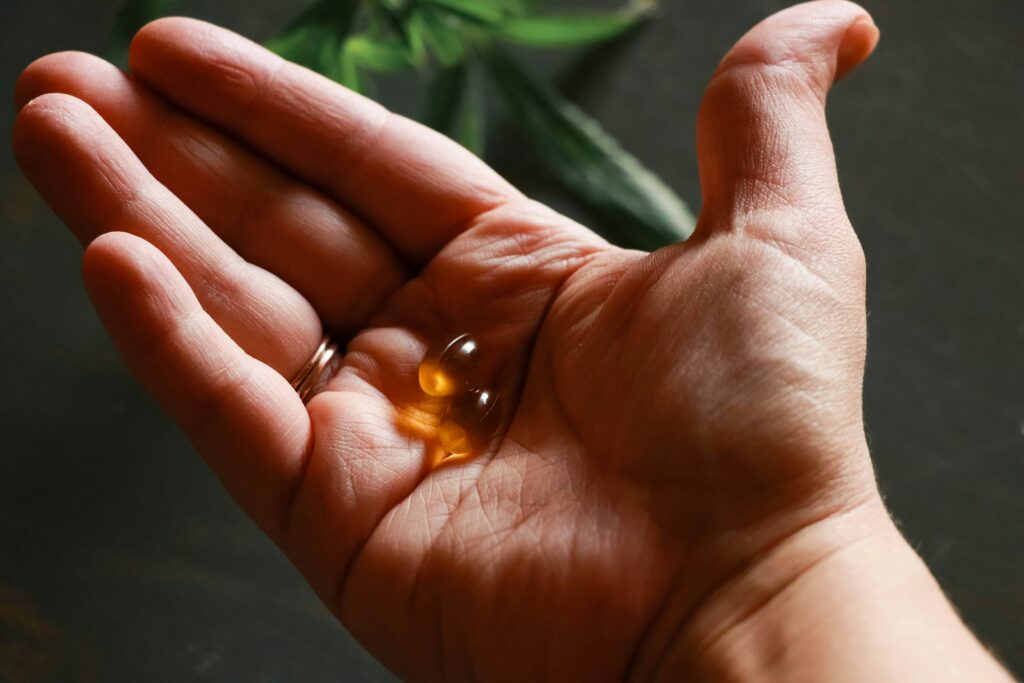
5. Herbal Remedies and Supplements
Some natural supplements show promise in supporting mental health. Always consult a healthcare provider before starting supplements, especially if you take other medications.
Common herbal options:
- St. John’s Wort: Widely studied and used in Europe for mild to moderate depression.
- Omega-3 Fatty Acids: May help with mood regulation and brain function.
- SAMe (S-adenosylmethionine): A natural compound that supports neurotransmitter balance.
Note: Herbal supplements can interact with medications, so professional guidance is important.
6. Sleep Hygiene
Lack of sleep can worsen depression. Good sleep hygiene is a powerful natural remedy that restores energy and supports emotional regulation.
Improve your sleep with:
- A consistent sleep schedule
- A cool, dark, and quiet room
- Avoiding screens and caffeine before bed
- A relaxing bedtime routine (e.g., warm bath, reading, gentle stretches)
Getting 7–9 hours of quality sleep each night supports your body’s natural healing and mental clarity.
7. Therapy and Social Support
While therapy isn’t a “natural remedy” in the traditional sense, it is a non-medication approach with long-lasting results. Cognitive Behavioral Therapy (CBT) is especially effective in treating depression by changing negative thought patterns.
In addition, social connection is essential. Isolation feeds depression, while support from others offers comfort, perspective, and hope.
Try this:
- Reach out to a friend or family member you trust
- Join a support group (online or in person)
- Consider working with a licensed therapist or counselor
8. Creative Outlets
Engaging in creative activities helps process emotions and reduce stress. Painting, writing, music, and crafting offer a healthy escape and build a sense of purpose.
You don’t have to be an artist. What matters is self-expression and enjoyment.
Benefits include:
- Reduced rumination
- Increased positive emotions
- A sense of achievement and confidence
Even coloring or journaling for 10 minutes a day can provide emotional release and clarity.
Real-Life Example: How Natural Remedies Helped Emma
Emma, a 34-year-old marketing manager, struggled with seasonal depression. Instead of starting medication right away, she committed to a new routine: daily walks, a Mediterranean-style diet, mindfulness meditation, and creative journaling.
After six weeks, she felt more balanced and energized. “It wasn’t an instant fix,” she says, “but building these small habits gave me control over my mood again.”
Her story reflects a growing number of people choosing the best natural remedies for depression as a first step—or complement—to healing.
Final Thoughts
Depression is real, and it’s okay to seek help. You deserve support, healing, and hope. While medication works for many, these natural remedies offer safe, empowering ways to take back control of your mental health.
By focusing on mindfulness, movement, nutrition, connection, and rest, you can build a life that feels lighter and more fulfilling.
The best natural remedies for depression aren’t about doing everything at once. Start with one small step—go for a walk, sit in the sun, or journal your feelings. Over time, these small actions add up to big changes.
References
- Goyal, M., et al. (2014). “Meditation programs for psychological stress and well-being.” JAMA Internal Medicine.
- JAMA Psychiatry. (2021). “Association Between Physical Activity and Risk of Depression.”
- National Institutes of Health. “Vitamin D: Fact Sheet for Health Professionals.”
- Emmons, R.A., & McCullough, M.E. (2003). “Gratitude as a psychotherapeutic intervention.” Journal of Clinical Psychology.

Hi, I’m Brittany Larsen, a passionate blogger and content creator dedicated to writing meaningful and engaging articles. I specialize in topics like mental health, wellness, and personal development, aiming to inspire and empower my readers through relatable stories and practical advice.