Now Reading: Best Workout for Stress Relief: Simple, Science-Backed Ways to Calm Your Mind
-
01
Best Workout for Stress Relief: Simple, Science-Backed Ways to Calm Your Mind
Stress is no longer an occasional problem. For many people, it is a daily companion. Long work hours, family responsibilities, financial pressure, and constant screen time keep the nervous system on high alert. The good news is that movement can help. Research consistently shows that exercise reduces stress, improves mood, and supports mental health.

In this article, we will explore the best workout for stress relief, using simple language, a human approach, and science-backed insights. If you are feeling overwhelmed, these workouts can help you feel calmer, stronger, and more in control.
Why Exercise Is the Best Workout for Stress Relief
Exercise works directly on the body’s stress response. When you move your body, it lowers cortisol (the stress hormone) and boosts endorphins, often called “feel-good” chemicals.
According to the American Psychological Association (APA), regular physical activity can reduce stress, anxiety, and depression while improving sleep and self-esteem (APA, 2022).
A large study published in The Lancet Psychiatry found that people who exercised regularly experienced 43% fewer days of poor mental health per month compared to those who did not exercise (Chekroud et al., 2018).
This is why movement is often described as the best workout for stress relief—it treats both the mind and body at the same time.
How to Choose the Best Workout for Stress Relief
Not every workout feels calming. High-intensity routines can sometimes increase stress if done incorrectly or too often. The best workout for stress relief depends on three key factors:
- Your current energy level
- Your stress intensity
- Your personal preferences
You do not need perfection. Consistency matters more than intensity.
1. Walking: The Most Accessible Best Workout for Stress Relief
Walking is often overlooked, but it is one of the best workouts for stress relief.
Why Walking Works
Walking calms the nervous system and reduces mental overload. It also encourages mindfulness, especially when done outdoors.
A study from Harvard Medical School shows that walking for just 30 minutes a day can reduce stress and improve mood significantly (Harvard Health Publishing, 2020).
How to Use Walking for Stress Relief
- Walk at a comfortable pace
- Focus on your breathing
- Leave your phone behind if possible
- Walk in nature or quiet areas
Even a 10-minute walk can lower stress levels.
2. Yoga: A Mind-Body Best Workout for Stress Relief
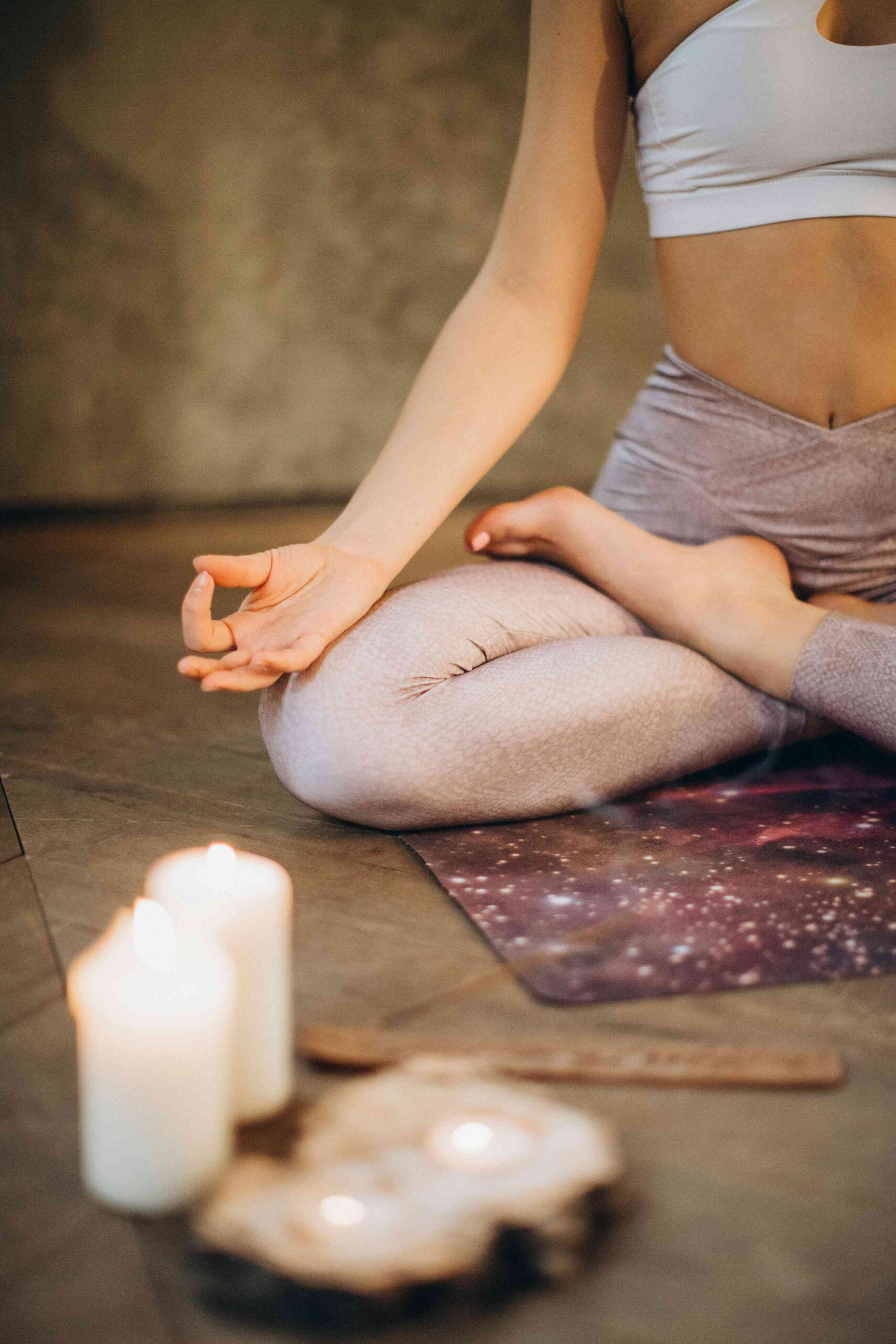
Yoga combines movement, breathing, and awareness. This makes it a powerful best workout for stress relief, especially for people with chronic anxiety or emotional exhaustion.
The Science Behind Yoga
Research published in Frontiers in Psychiatry found that yoga reduces cortisol levels and improves symptoms of anxiety and depression (Pascoe et al., 2017).
Yoga activates the parasympathetic nervous system, also known as the “rest and digest” system.
Best Yoga Styles for Stress
- Hatha Yoga
- Restorative Yoga
- Yin Yoga
Avoid overly intense styles if stress is your main concern.
3. Strength Training: An Underrated Best Workout for Stress Relief
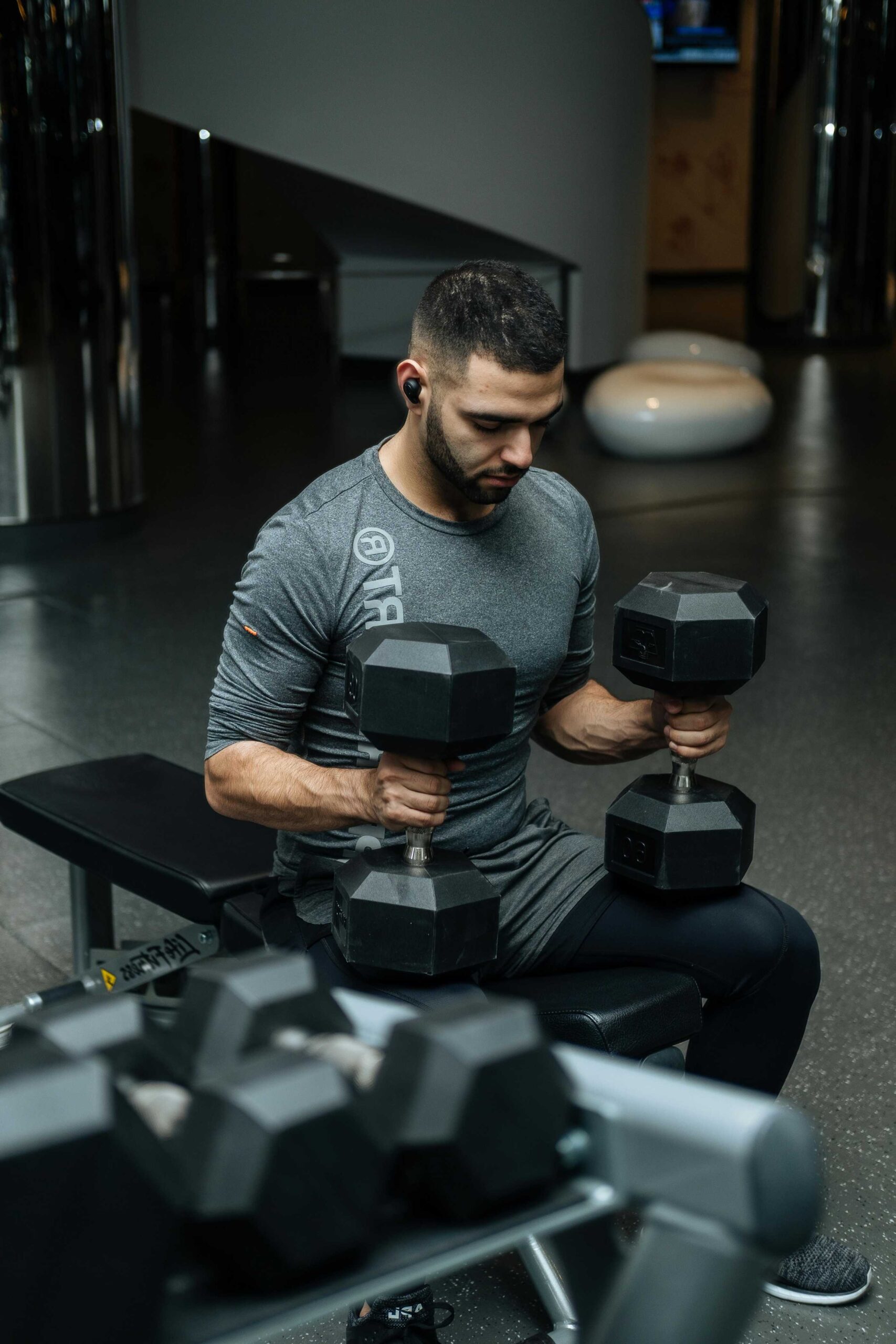
Many people think strength training is only for physical fitness. In reality, it is also one of the best workouts for stress relief.
How Strength Training Reduces Stress
Lifting weights builds confidence, improves focus, and provides a sense of control. It also reduces anxiety symptoms.
A meta-analysis published in JAMA Psychiatry found that resistance training significantly reduces depressive symptoms, even without changes in muscle size (Gordon et al., 2018).
Tips for Stress-Reducing Strength Training
- Use moderate weights
- Focus on form, not speed
- Rest between sets
- Train 2–3 times per week
Strength training helps you release tension while building emotional resilience.
4. Cardio Workouts: A Proven Best Workout for Stress Relief
Cardio workouts like cycling, swimming, or jogging are classic stress relievers.
Why Cardio Helps
Cardio increases heart rate and improves blood flow to the brain. This helps regulate mood and reduce stress hormones.
According to the World Health Organization (WHO), regular aerobic exercise reduces symptoms of stress and anxiety while improving overall mental well-being (WHO, 2021).
Best Cardio Options for Stress
- Swimming
- Cycling
- Light jogging
- Dancing
Choose activities that feel enjoyable, not punishing.
5. Breathing-Based Workouts: Gentle but Powerful Stress Relief
Sometimes, stress drains your energy completely. On those days, breathing-focused movement can be the best workout for stress relief.
Examples of Breathing-Based Movement
- Tai Chi
- Qigong
- Slow Pilates
These practices combine slow movement with deep breathing. They calm the nervous system and improve emotional balance.
A study in The Journal of Clinical Psychology showed that slow breathing exercises significantly reduce anxiety and stress responses (Ma et al., 2017).
How Often Should You Do the Best Workout for Stress Relief?
You do not need daily intense workouts. In fact, overtraining can increase stress.
Simple Guidelines
- 20–30 minutes per session
- 3–5 days per week
- Mix gentle and moderate workouts
The best workout for stress relief is one you can sustain long-term.
Common Mistakes That Increase Stress Instead of Reducing It
Even healthy movement can backfire if done incorrectly.
Avoid these mistakes:
- Exercising only when stressed
- Skipping rest days
- Comparing yourself to others
- Using workouts as punishment
Exercise should support your mental health, not become another source of pressure.
Creating Your Personal Stress-Relief Workout Routine
Here is a simple weekly example using the best workout for stress relief principles:
- Monday: 30-minute walk
- Wednesday: Gentle yoga or stretching
- Friday: Light strength training
- Sunday: Breathing-based movement or nature walk
This balanced approach supports both physical and emotional health.
Final Thoughts: The Best Workout for Stress Relief Is Consistency
There is no single perfect routine. The best workout for stress relief is one that fits your lifestyle, energy level, and emotional needs.
Movement helps your body release tension and your mind regain clarity. You do not need expensive equipment or long workouts. Small, consistent steps create real change.
If stress feels overwhelming, start slow. Even a few minutes of movement can shift your mood and bring relief. Over time, exercise becomes not just a habit, but a powerful mental health tool.

Hi, I’m Brittany Larsen, a passionate blogger and content creator dedicated to writing meaningful and engaging articles. I specialize in topics like mental health, wellness, and personal development, aiming to inspire and empower my readers through relatable stories and practical advice.