Now Reading: Emotional Well-Being Activities That Improve Mental Health
-
01
Emotional Well-Being Activities That Improve Mental Health

Life can feel overwhelming. Work, family, money worries, and nonstop digital distractions often leave us emotionally drained. Many people feel this way and are unsure how to begin feeling better.
Emotional well-being activities can make a difference. Simple daily habits help you feel more balanced and less stressed. These are easy, practical steps you can use in your everyday life.

According to the World Health Organization (WHO), depression and anxiety cost the global economy about $1 trillion each year in lost productivity. That number shows how deeply emotional health affects our lives. When we practice consistent emotional well-being activities, we strengthen our ability to handle stress, connect with others, and feel grounded.
What Is Emotional Well-Being?
Emotional well-being is about knowing your feelings and handling them in healthy ways. It involves being resilient, self-aware, and able to cope with stress.
The Centers for Disease Control and Prevention (CDC) explains that people with strong emotional health report higher life satisfaction and better overall functioning. Emotional health does not mean feeling happy all the time. It means responding to life with flexibility.
This is why emotional well-being activities are important. They help you build emotional strength, just like exercise builds physical strength.
Why Emotional Well-Being Activities Matter
Chronic stress impacts both your mind and body. High cortisol can weaken your immune system and raise your risk of heart disease. The American Heart Association says long-term stress can lead to heart problems.
Doing emotional well-being activities helps calm your nervous system. It moves you from a stressed state to a more balanced one. Even small daily habits can make a real difference.
Research shows that managing stress regularly can improve your mood, sleep, and focus. This is why mental health professionals often suggest emotional well-being activities as part of treatment.
12 Evidence-Based Emotional Well-Being Activities
Here are some emotional well-being activities, backed by research, that can help improve your emotional health.
Mindfulness-Based Emotional Well-Being Activities
1. Mindful Breathing
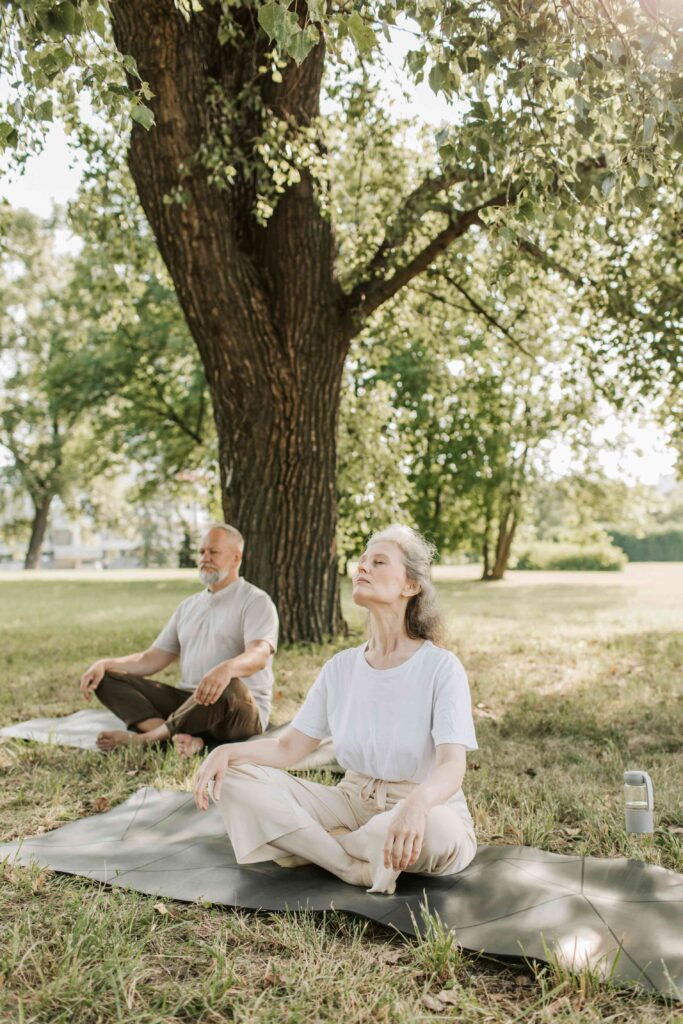
Mindful breathing can slow your heart rate and lower stress. Try breathing in for four seconds, holding for four seconds, and breathing out for six seconds.
Just five minutes a day can help reduce anxiety. Studies show that breathing exercises improve emotional control and lower cortisol. This is one of the easiest emotional well-being activities you can do anywhere.
2. Guided Meditation
Guided meditation helps focus attention and reduce rumination. Research published in JAMA Internal Medicine found that mindfulness meditation programs can reduce symptoms of anxiety and depression.
You can explore guided sessions from trusted organizations like TEDx Talks on YouTube:
Meditation remains one of the most effective ways to promote emotional well-being and reduce stress.
3. Progressive Muscle Relaxation
This technique involves tightening and relaxing muscle groups one at a time. It reduces physical tension stored in the body.
Many therapists include it in structured emotional well-being activities because physical calm supports emotional calm.
Reflective Emotional Well-Being Activities
4. Gratitude Journaling
Writing down three things you appreciate each day shifts focus from stress to positive experiences. A study in the Journal of Personality and Social Psychology found that gratitude practices increase overall well-being.
Gratitude journaling is one of the easiest ways to build emotional well-being into your routine.
5. Emotional Check-Ins
Pause and ask yourself, “What am I feeling right now?” Naming emotions improves emotional regulation.
Regular emotional check-ins strengthen self-awareness. Many wellness programs include this in their recommended emotional well-being activities.
6. Cognitive Reframing
Cognitive reframing helps challenge negative thoughts. Instead of thinking, “I always fail,” replace it with, “I struggled today, but I can improve.”
Cognitive reframing is a core part of therapy and effective strategies for emotional well-being.
Lifestyle Emotional Well-Being Activities
7. Nature Walks
Spending 20 minutes in nature lowers stress hormones. A study published in Frontiers in Psychology found that time in green spaces reduces cortisol levels.
Nature exposure remains one of the most natural ways to support emotional well-being.
8. Physical Exercise
Exercise releases endorphins, which improve mood. Regular movement reduces symptoms of anxiety and depression.
You do not need intense workouts. Walking, stretching, or yoga count as powerful emotional well being activities.
9. Quality Sleep
Sleep restores emotional balance. Adults need 7–9 hours of sleep per night.
Poor sleep increases irritability and stress. Prioritizing rest strengthens other emotional well-being activities you practice daily.
Social Emotional Well-Being Activities
10. Meaningful Conversations
Talking openly with a trusted person builds a connection. Social support protects against depression and anxiety.
Strong relationships amplify the impact of other emotional well-being activities.
11. Volunteering
Helping others increases life satisfaction. Studies show volunteering correlates with lower depression rates and improved mental health.
Acts of service are powerful for emotional well-being because they create a sense of purpose.
Creative Emotional Well-Being Activities
12. Creative Expression
Art, music, journaling, or hobbies can help release emotions. Creative work reduces rumination and boosts mood.
Creative outlets remain enjoyable and effective activities for emotional well-being for many people.
Emotional Well-Being Activities in the Workplace
Work stress impacts emotional health. According to Gallup, employees with high well-being are 59% less likely to look for a new job.
Organizations now implement group meditation, wellness workshops, and gratitude boards. Workplace emotional well-being activities improve productivity and morale.
Digital detox challenges and peer support groups also promote emotional balance at work.
How to Build Emotional Well-Being Activities Into Daily Life
Start small. Choose one or two emotional well-being activities and practice them consistently. Habit stacking works well. For example, practice mindful breathing before bed.
Consistency matters more than intensity. Over time, repeated emotional well-being activities strengthen resilience.

When to Seek Professional Support
While emotional well-being activities help, some situations require professional care. Seek help if you experience persistent sadness, sleep disruption, panic attacks, or thoughts of self-harm.
Emotional well-being improves fastest when you combine self-care with professional support when needed.
Final Thoughts
Emotional health requires intention. You build it daily through small choices. Research-backed emotional well-being activities strengthen resilience, improve mood, and reduce stress.
You do not need to practice all these activities at once. Start with one. Stay consistent. Emotional growth takes patience, but small steps create lasting change.
References
- World Health Organization. Mental Disorders Fact Sheet.
https://www.who.int/news-room/fact-sheets/detail/mental-disorders - Centers for Disease Control and Prevention. Well-Being Concepts.
https://www.cdc.gov/hrqol/wellbeing.htm - American Heart Association. Stress and Heart Health.
https://www.heart.org/en/healthy-living/healthy-lifestyle/stress-management/stress-and-heart-health - Frontiers in Psychology. Nature and Stress Reduction Study.
https://www.frontiersin.org/articles/10.3389/fpsyg.2019.00722 - JAMA Internal Medicine. Meditation Programs for Psychological Stress.
https://jamanetwork.com/journals/jamainternalmedicine/fullarticle/1809754

Hi, I’m Brittany Larsen, a passionate blogger and content creator dedicated to writing meaningful and engaging articles. I specialize in topics like mental health, wellness, and personal development, aiming to inspire and empower my readers through relatable stories and practical advice.