Now Reading: Mindfulness Techniques for Anxiety Relief: Simple Tools for a Calmer Mind
-
01
Mindfulness Techniques for Anxiety Relief: Simple Tools for a Calmer Mind
Mindfulness Techniques for Anxiety Relief: Simple Tools for a Calmer Mind
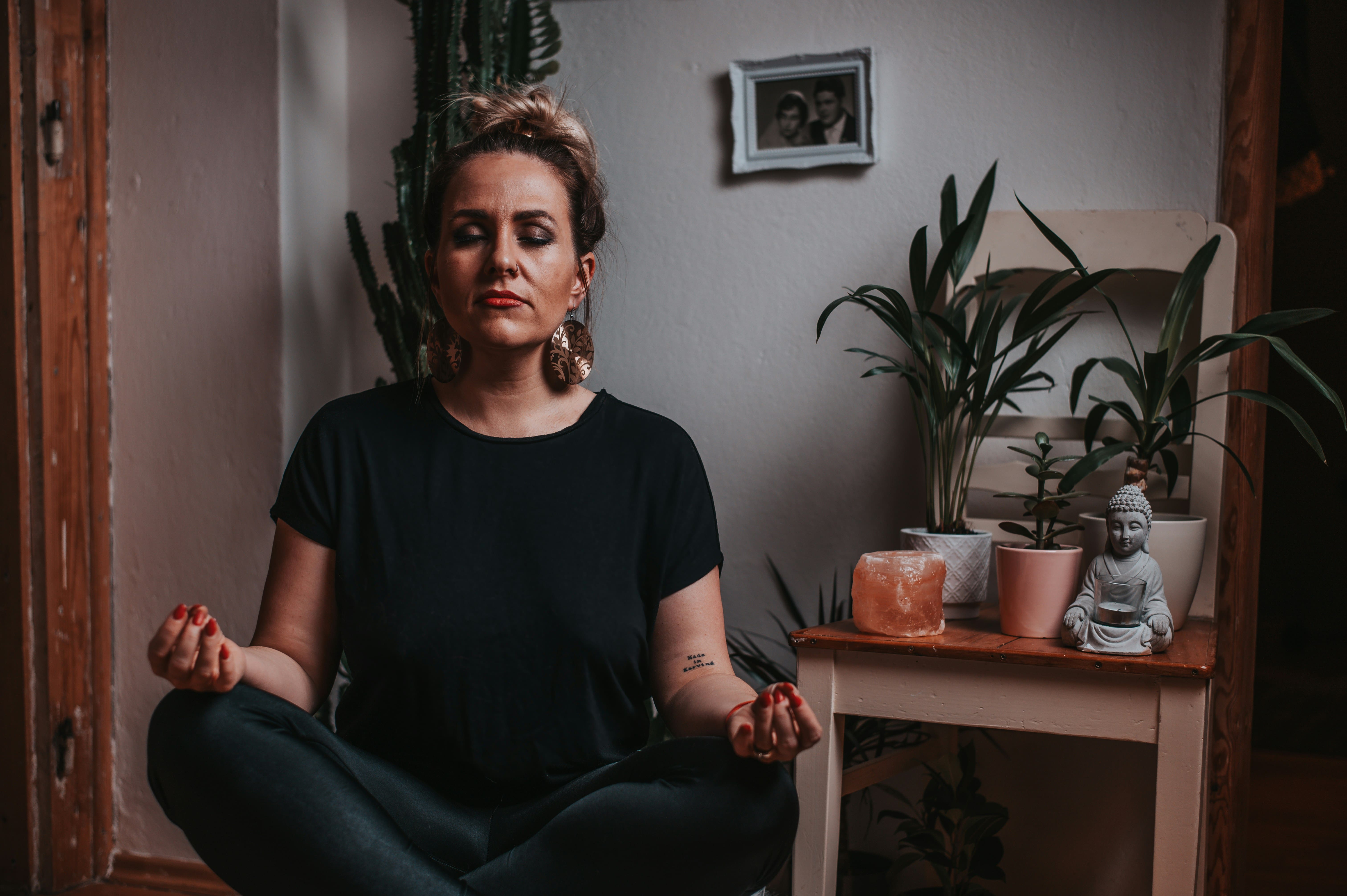
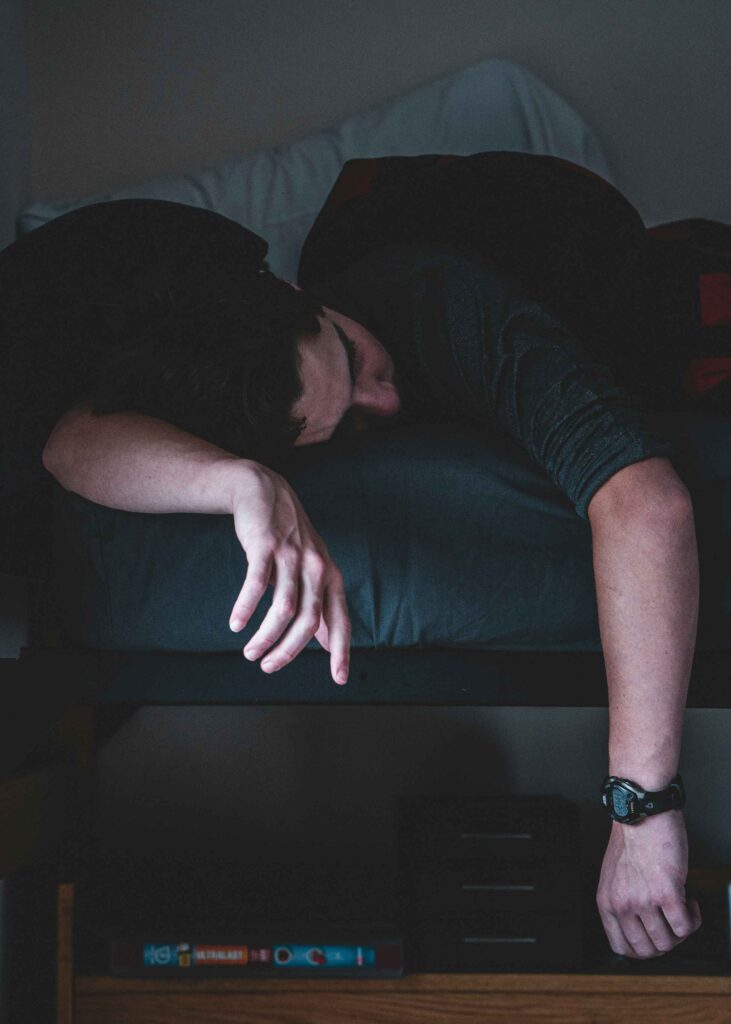
Anxiety affects millions of people every day. It can make your heart race, cloud your thoughts, and leave you feeling overwhelmed. While therapy and medication help, many people also find relief through mindfulness techniques for anxiety relief.
In this article, you’ll discover how mindfulness can calm your mind, ease anxiety, and improve emotional well-being. These techniques are simple, easy to practice, and can be part of your daily routine.
What Is Mindfulness?
Mindfulness means paying full attention to the present moment without judgment. It’s about being aware of your thoughts, emotions, and surroundings without reacting automatically. When practiced regularly, mindfulness helps quiet the noise in your head and makes room for calm, balanced thinking.
According to the American Psychological Association (APA), mindfulness improves mental health, reduces stress, and helps manage anxiety and depression (APA, 2021).
How Mindfulness Helps with Anxiety
Anxiety often comes from worrying about the future or dwelling on the past. Mindfulness brings your focus back to the present. It teaches you to observe your thoughts instead of being controlled by them. Over time, this helps reduce the intensity of anxious feelings.
Key Benefits of Mindfulness for Anxiety:
- Lowers stress hormone (cortisol) levels
- Reduces overthinking and rumination
- Promotes relaxation and emotional balance
- Improves sleep and concentration
- Builds resilience against future anxiety
Proven Mindfulness Techniques for Anxiety Relief
Let’s explore the most effective mindfulness techniques for anxiety relief. Each one is easy to learn and can be practiced at home, work, or anywhere you need a moment of calm.
1. Deep Breathing (Box Breathing)
Deep breathing is a powerful tool to calm your nervous system. One popular method is box breathing, often used by therapists and even Navy SEALs.
How to do it:
- Inhale through your nose for 4 seconds
- Hold the breath for 4 seconds
- Exhale through your mouth for 4 seconds
- Hold again for 4 seconds
- Repeat for 3-5 minutes
This technique helps reduce anxiety and improve focus by slowing your heart rate and activating your body’s relaxation response.
2. Body Scan Meditation
A body scan helps you reconnect with your body and release built-up tension.
Steps:
- Lie down or sit comfortably
- Close your eyes and take a few deep breaths
- Slowly move your attention from head to toe
- Notice any tightness or sensations without judgment
- Breathe into each area to relax it
Practicing body scans regularly can reduce physical symptoms of anxiety like muscle tightness and restlessness.
3. Mindful Walking
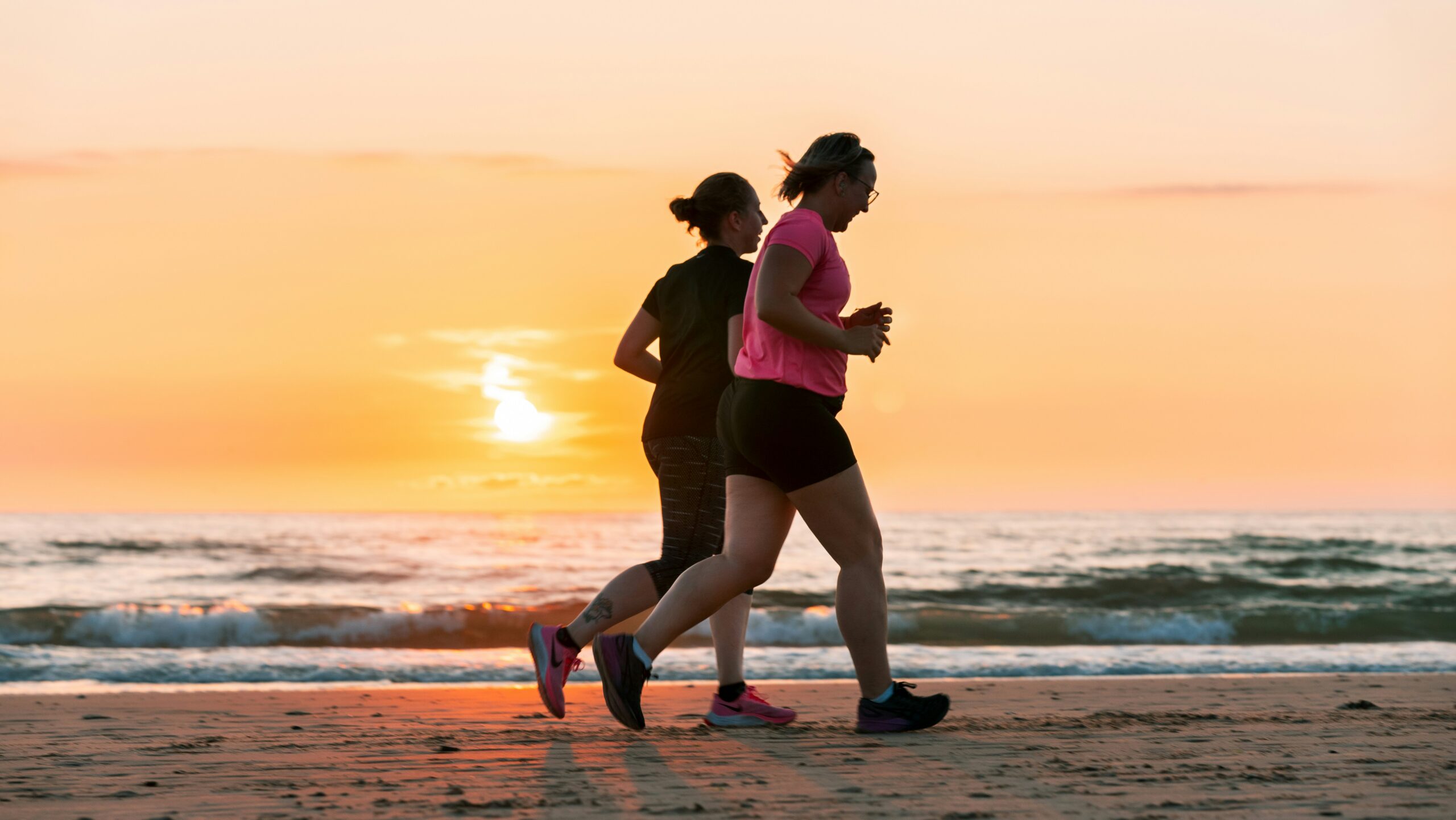
Mindful walking is a great way to stay grounded while moving. It turns an everyday activity into a calming ritual.
Try this:
- Walk slowly and focus on the sensation of your feet touching the ground
- Notice your breath, posture, and surroundings
- Avoid distractions like phones or music
- Let your mind come back to the present if it drifts
Even a 10-minute mindful walk can ease stress and center your thoughts.
4. Five Senses Grounding Exercise
This quick exercise helps you stay anchored in the present moment, especially during anxious episodes.
Do the 5-4-3-2-1 method:
- 5 things you can see
- 4 things you can touch
- 3 things you can hear
- 2 things you can smell
- 1 thing you can taste
This technique engages your senses and shifts focus away from anxious thoughts.
5. Loving-Kindness Meditation
Anxiety often comes with self-criticism. Loving-kindness meditation replaces negative self-talk with compassion and kindness.
Steps:
- Sit quietly and breathe deeply
- Silently repeat: “May I be happy. May I be safe. May I be at peace.”
- Extend the wish to others: family, friends, even people you struggle with
- Feel the warmth of the words as you say them
This mindfulness technique helps reduce anxiety and improves relationships and self-acceptance.
What the Research Says
Mindfulness isn’t just a trend—it’s backed by science. A 2014 meta-analysis published in JAMA Internal Medicine found that mindfulness meditation reduces anxiety, depression, and pain with measurable results after just eight weeks of practice (Goyal et al., 2014).
Another study from Harvard University showed that mindfulness training increased gray matter density in areas of the brain responsible for emotion regulation and self-awareness, two key areas for anxiety control (Harvard Gazette, 2011).
Tips to Start a Mindfulness Practice
Getting started doesn’t have to be complicated. Follow these simple tips to build a mindfulness habit that supports anxiety relief:
- Start small: Just 5 minutes a day can make a difference.
- Be consistent: Practice daily, even if it’s brief.
- Use apps: Try apps like Headspace, Calm, or Insight Timer.
- Practice non-judgment: Don’t worry if your mind wanders. Gently bring it back.
- Create a space: Find a quiet, comfortable spot where you can focus.
Real People, Real Results
Anna, a 28-year-old graphic designer, started practicing deep breathing and body scans after dealing with panic attacks. “Mindfulness helped me feel more in control,” she says. “I’m not perfect, but I finally feel like I can manage my anxiety.”
James, a college student, uses mindful walking before exams. “Just being aware of my steps and breathing clears my head,” he explains. “It grounds me when my nerves spike.”
These stories show how simple techniques can make a real difference.
Final Thoughts: Finding Calm Through Mindfulness
Anxiety is challenging, but you have tools to cope. Mindfulness techniques for anxiety relief are safe, natural, and empowering. They help you reconnect with your body, calm your mind, and live in the moment.
You don’t need to eliminate anxiety completely—just learn how to respond to it with awareness and care. With regular practice, mindfulness can become your everyday ally for lasting peace and emotional balance.
References:
- American Psychological Association (APA). “Mindfulness practice improves mental health.” 2021. https://www.apa.org
- Goyal, M., et al. (2014). “Meditation programs for psychological stress and well-being: a systematic review and meta-analysis.” JAMA Internal Medicine.
- Harvard Gazette. “Eight weeks to a better brain.” 2011. https://news.harvard.edu

Hi, I’m Brittany Larsen, a passionate blogger and content creator dedicated to writing meaningful and engaging articles. I specialize in topics like mental health, wellness, and personal development, aiming to inspire and empower my readers through relatable stories and practical advice.