Now Reading: What Supplements Help With Anxiety?
-
01
What Supplements Help With Anxiety?
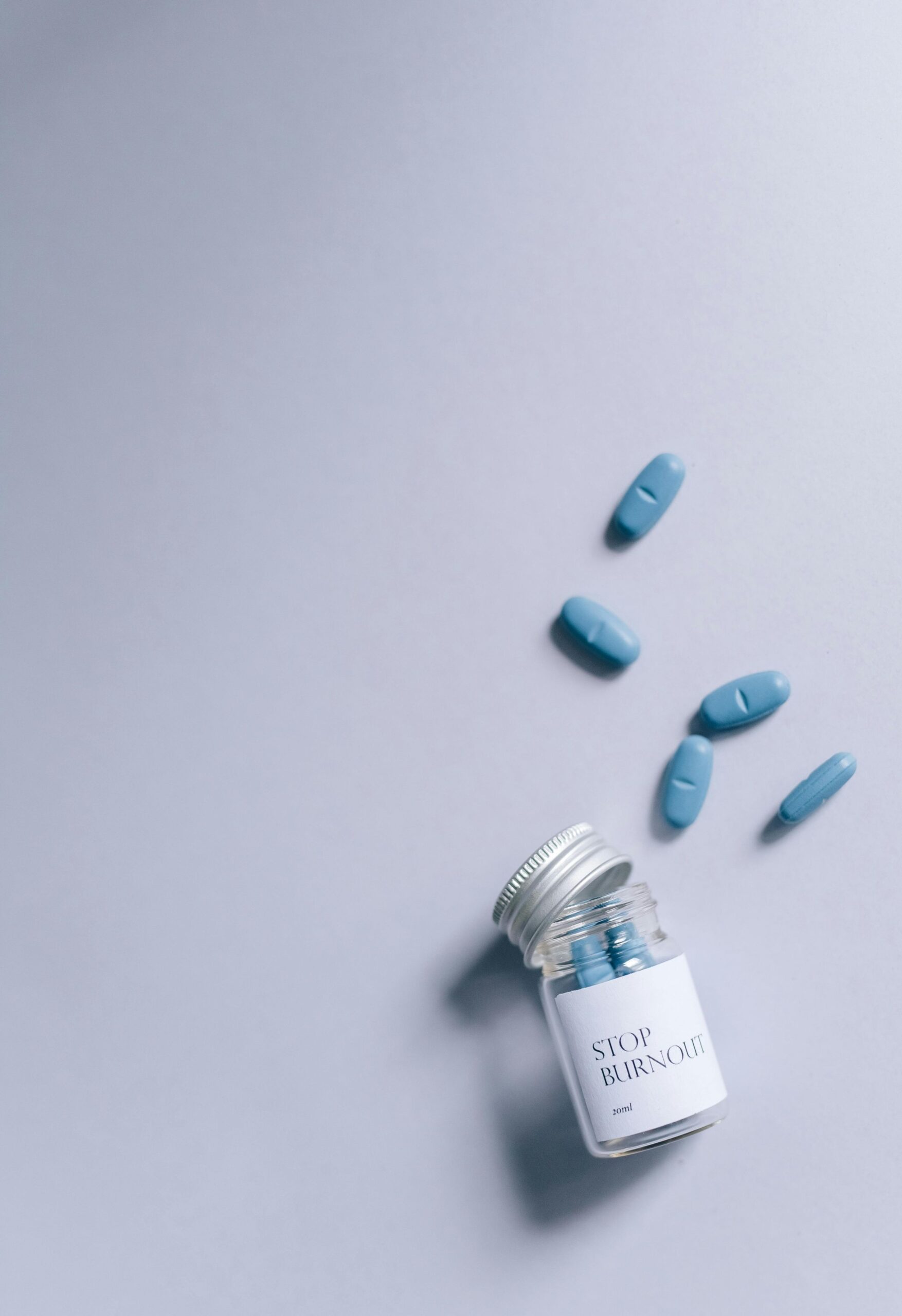
Anxiety is very common and can cause worry, restlessness, trouble sleeping, or muscle tension. While therapy and medication are usually the main treatments, many people also want extra support. This leads to a common question: what supplements help with anxiety, and are they safe?
Supplements are not a cure for anxiety. However, research shows that certain nutrients and herbs can support the nervous system, reduce stress responses, and improve sleep when used correctly. This article explains what supplements help with anxiety, how they work, and what to know before trying them.
How Supplements May Help With Anxiety
Anxiety impacts the brain, hormones, and nervous system. Ongoing stress can lower important nutrients and upset brain chemicals like serotonin, GABA, and dopamine. Supplements may help bring these systems back into balance.
According to the National Institute of Mental Health, anxiety disorders are among the most common mental health conditions, affecting nearly 19% of U.S. adults each year (https://www.nimh.nih.gov). This has led to growing research into nutritional and herbal support alongside standard care.
What to Know Before Taking Supplements for Anxiety
Before choosing supplements for anxiety, safety should come first. Some supplements can interact with medications, especially antidepressants, anti-anxiety drugs, and sleep aids. Always talk to a healthcare provider before starting anything new.
Quality is important too. Choose products that have been tested by third parties and avoid taking very high doses. It’s best to start slowly, especially if you are sensitive to supplements.
Supplements That May Help With Anxiety
Research shows that several supplements may help with anxiety symptoms. Results can be different for each person, and using them regularly is more helpful than looking for quick fixes.
Magnesium
Magnesium plays a key role in calming the nervous system and regulating stress hormones. Low magnesium levels are linked to increased anxiety symptoms. A review in Nutrients found that magnesium supplementation may reduce mild anxiety, especially in people with a deficiency (https://www.mdpi.com/2072-6643/12/6/1667).
Magnesium is frequently recommended for anxiety due to its safety and multiple benefits.
Ashwagandha
Ashwagandha is an herb that helps the body handle stress. Studies show it can lower cortisol, a stress hormone that is often high in people with anxiety. One clinical trial published in Medicine found a 44% drop in stress and anxiety scores with ashwagandha (https://journals.lww.com).
Ashwagandha is well-studied and is a common choice for anxiety support.
L-Theanine
L-theanine, found in green tea, enhances relaxation without drowsiness. Research shows it increases calming brain waves and lowers stress and anxiety (https://www.mdpi.com).
Omega-3s help reduce brain inflammation and support emotional regulation. A meta-analysis in JAMA Network Open found that omega-3 supplementation significantly reduced anxiety symptoms in clinical populations (https://jamanetwork.com).
Omega-3s are one of the most studied supplements for anxiety because they support brain health.
B Vitamins
B vitamins, especially B6 and B12, help make brain chemicals. Not getting enough can make anxiety and mood problems worse. A study in Human Psychopharmacology found that taking B-complex vitamins improved anxiety scores (https://onlinelibrary.wiley.com).
Vitamin D3
Low vitamin D is linked to more anxiety and depression. A review in Frontiers in Psychiatry found that vitamin D supplements may help people with low levels feel less anxious (https://www.frontiersin.org).
Chamomile
Chamomile has mild sedative effects and gentle calming and anti-anxiety properties. A clinical trial in Phytomedicine found that chamomile extract greatly reduced symptoms of generalized anxiety (https://pubmed.ncbi.nlm.nih.gov/24716477/). Valerian root is another herbal option that is traditionally used for anxiety and sleep. While studies show mixed evidence about its effectiveness, some research suggests valerian may help with sleep-related anxiety. It tends to be most helpful for short-term use and mild symptoms.
Passionflower
Passionflower supports GABA activity in the brain, which helps reduce nervous system overactivity. A study published in the Journal of Clinical Pharmacy and Therapeutics found comparable anxiety relief to prescription medication in mild cases (https://pubmed.ncbi.nlm.nih.gov/11679026/).
Lemon Balm
Lemon balm can help you feel calmer and may boost mood and thinking during stress. Research in Nutrients supports using it for mild anxiety and stress (https://www.mdpi.com).
Melatonin
Melatonin does not directly treat anxiety, but it supports sleep, which strongly affects anxiety levels. Poor sleep increases anxiety severity. Melatonin works best for sleep-onset issues rather than daytime anxiety.
5-HTP
5-HTP supports serotonin production. While it may help mood, it can interact with antidepressants and should only be used under medical supervision.
CBD (Cannabidiol)
CBD may help with anxiety, especially social anxiety. A study in Neurotherapeutics found that people using CBD had less anxiety (https://link.springer.com). However, quality, dosage, and legal status can vary a lot.
Kava
Kava can strongly reduce anxiety, but it can also cause serious liver problems. Health experts urge caution, and many doctors suggest avoiding it.
Supplements to Use With Caution
Not every supplement is safe for everyone. Kava, high doses of CBD, and 5-HTP can be harmful if not used correctly. Always consider the risks and benefits before trying supplements for anxiety.
Other Evidence-Based Treatments for Anxiety
Supplements are most helpful when used with proven treatments. Cognitive behavioral therapy, mindfulness, and medication are still the main options. Good sleep, regular activity, and less alcohol also make a big difference.
What Else Can Help Reduce Anxiety Naturally?
Breathing exercises, regular physical activity, limiting caffeine, and structured routines support nervous system health. Supplements are only one piece of the puzzle.
Trusted Video Resource
This educational video from Mayo Clinic explains anxiety treatment options, including supplements and lifestyle support:
Conclusion
The best supplements for anxiety depend on your body, needs, and treatment plan. Magnesium, omega-3s, ashwagandha, and B vitamins have the most evidence, while others may give mild support. Supplements work best when used carefully and with help from a mental health professional.
References
- National Institute of Mental Health – Anxiety disorders
https://www.nimh.nih.gov - Nutrients – Magnesium and anxiety
https://www.mdpi.com/2072-6643/12/6/1667 - JAMA Network Open – Omega-3s and anxiety
https://jamanetwork.com - Frontiers in Psychiatry – Vitamin D and anxiety
https://www.frontiersin.org - PubMed – Chamomile and anxiety
https://pubmed.ncbi.nlm.nih.gov/24716477/ - Neurotherapeutics – CBD and anxiety
https://link.springer.com

Hi, I’m Brittany Larsen, a passionate blogger and content creator dedicated to writing meaningful and engaging articles. I specialize in topics like mental health, wellness, and personal development, aiming to inspire and empower my readers through relatable stories and practical advice.