Now Reading: Impact of Exercise on Withdrawal Symptoms: A Natural Path to Relief
-
01
Impact of Exercise on Withdrawal Symptoms: A Natural Path to Relief
Impact of Exercise on Withdrawal Symptoms: A Natural Path to Relief

Withdrawal can be one of the toughest parts of addiction recovery. When someone stops using drugs or alcohol, their body and mind go through a painful adjustment. During this time, symptoms like anxiety, fatigue, irritability, and cravings can make staying sober feel nearly impossible. But there’s a powerful, natural tool that can ease this process—exercise.
In this article, we’ll explore the impact of exercise on withdrawal symptoms and how physical activity can make detox and early recovery more manageable, both physically and emotionally.
Understanding Withdrawal Symptoms
When a person quits drugs or alcohol, the body goes into shock. Substances alter brain chemistry over time, and removing them suddenly can create imbalance. Withdrawal symptoms vary depending on the substance, but common issues include:
- Anxiety or panic attacks
- Depression
- Insomnia or disturbed sleep
- Muscle aches
- Irritability or mood swings
- Intense cravings
According to the National Institute on Drug Abuse (NIDA), withdrawal symptoms are a major reason people relapse during early recovery (NIDA, 2021).
How Exercise Supports the Brain and Body
Exercise helps balance brain chemicals and improves physical health. When you move your body, your brain releases endorphins, dopamine, and serotonin—chemicals that improve mood and reduce pain.
Let’s dive deeper into the impact of exercise on withdrawal symptoms and why it’s such an effective part of recovery.
Key Benefits of Exercise During Withdrawal
1. Reduces Anxiety and Depression
Mood swings are common in withdrawal. Regular physical activity helps stabilize emotions by increasing serotonin and dopamine levels. These brain chemicals are often depleted due to long-term substance use.
A study published in Frontiers in Psychiatry found that exercise significantly reduced anxiety and depression symptoms in people undergoing addiction treatment (Wang et al., 2014).
Even light activities like walking or stretching can make a noticeable difference in mood and anxiety levels.
2. Improves Sleep Quality
Insomnia is one of the most frustrating withdrawal symptoms. Lack of sleep increases stress and makes it harder to focus on recovery. Exercise helps reset the body’s natural sleep-wake cycle.
According to the Sleep Foundation, people who engage in regular physical activity fall asleep faster and enjoy deeper sleep. Exercise also helps reduce restlessness and nighttime anxiety, both of which can disrupt recovery.
3. Eases Physical Discomfort
Withdrawal can include muscle aches, fatigue, and body tension. Exercise improves circulation, reduces inflammation, and promotes relaxation—all of which help the body feel better.
Gentle movement such as yoga, tai chi, or swimming can loosen tight muscles and ease the physical stress of detox without overwhelming the body.
4. Curbs Cravings and Reduces Relapse Risk
One of the most powerful impacts of exercise on withdrawal symptoms is its ability to fight cravings. When people engage in exercise, they experience a natural “high” from endorphins. This feeling can help replace the need for substance-induced euphoria.
A 2018 review in PLOS ONE concluded that regular aerobic exercise reduced cravings and improved abstinence rates in people recovering from alcohol and drug use (Wang et al., 2018).

5. Boosts Energy and Motivation
Fatigue and brain fog are common in early recovery. Exercise increases oxygen flow, improves metabolism, and enhances focus. People who move more tend to feel more energized and hopeful throughout the day.
Even a 15-minute walk can lift energy levels and shift your mindset.
Real Stories: How Exercise Eased Withdrawal
Kevin, a 32-year-old recovering from heroin addiction, said jogging every morning helped him cope during detox. “I needed something to take my mind off the pain,” he says. “Running gave me a reason to get out of bed.”
Jenna, who battled alcohol dependency, found yoga helpful. “It calmed my nerves. I felt grounded after each session. It helped me believe I could get through the hard days.”
These real-life examples show how the impact of exercise on withdrawal symptoms is more than just physical—it’s emotional and spiritual, too.
Best Types of Exercise for Withdrawal Relief
You don’t need to run marathons to benefit from exercise. The key is consistency and comfort. Choose something that feels good and fits your current energy level.
1. Walking or Light Jogging
Walking is low-impact, easy to start, and clears the mind. A 20–30 minute walk outdoors can reduce cravings and lift your mood.
2. Yoga and Stretching
Yoga promotes calm breathing, flexibility, and stress relief. It’s especially helpful for anxiety and tension.
3. Swimming
Swimming soothes sore muscles, builds endurance, and provides full-body movement without pressure on joints.
4. Bodyweight Workouts
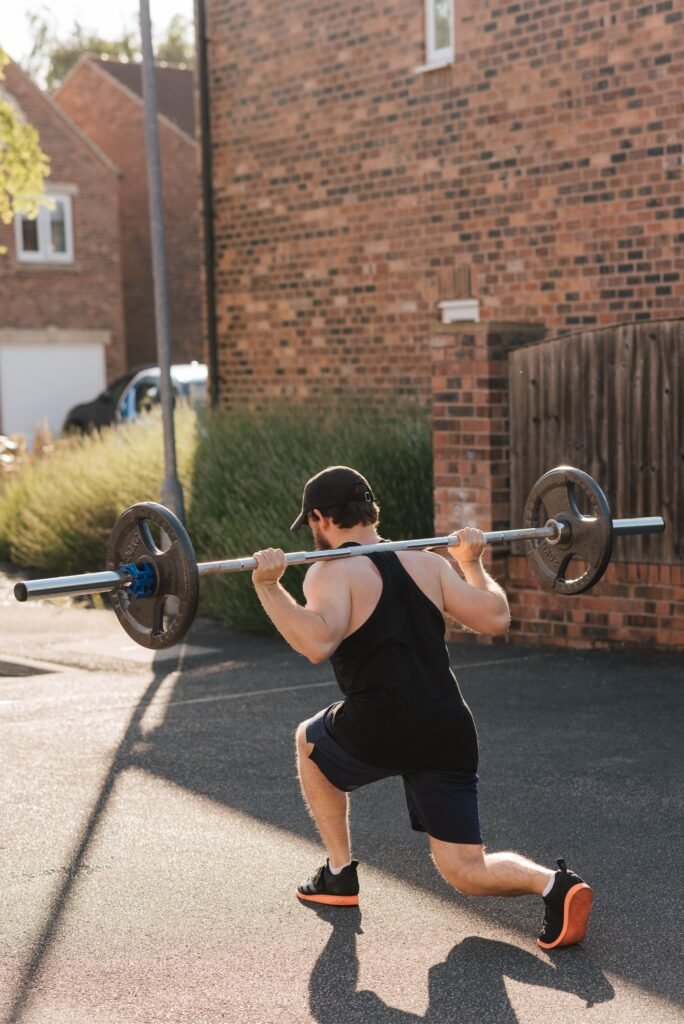
Simple exercises like push-ups, squats, and planks build strength and increase confidence.
How to Start Exercising During Withdrawal
Starting an exercise routine during withdrawal requires patience and self-compassion. You may feel tired or unmotivated—but small steps matter.
Tips for Getting Started:
- Start slow: Begin with 5–10 minutes a day
- Listen to your body: Don’t push through pain
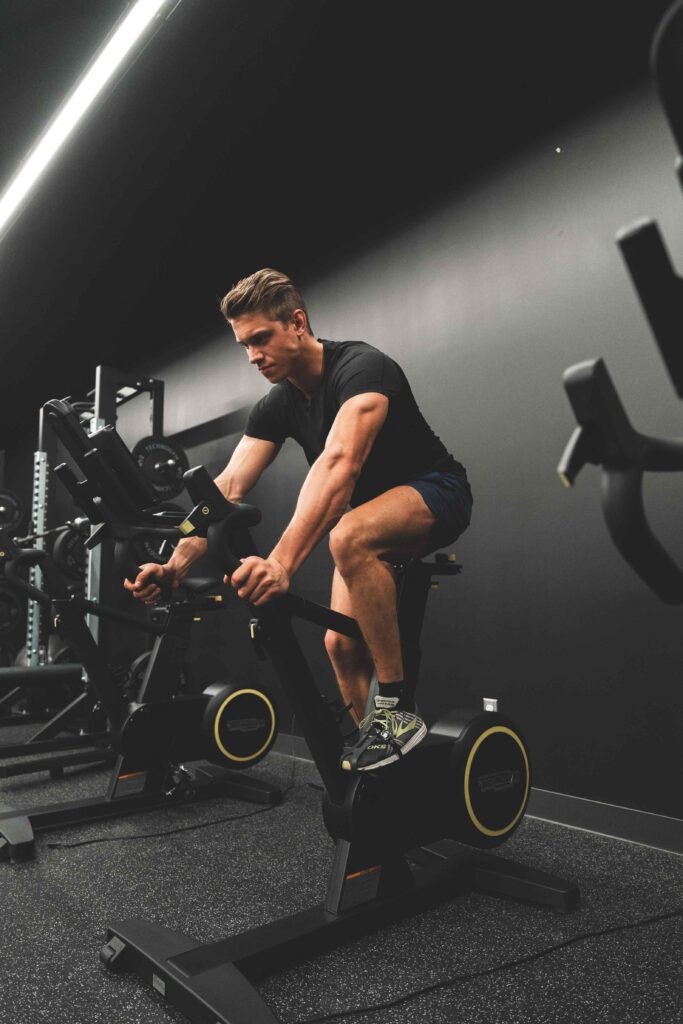
- Pick what you enjoy: Dance, stretch, bike—whatever makes you feel good
- Stay consistent: Make movement part of your routine
- Track your progress: Use a journal or app to stay motivated
Combining Exercise with Other Recovery Tools
While exercise is powerful, it works best when combined with other supports:
- Therapy or counseling
- Support groups like AA, NA, or SMART Recovery
- Healthy nutrition and hydration
- Mindfulness practices such as meditation or journaling
Together, these tools help you stay balanced and committed to recovery.
Final Thoughts
Withdrawal can feel like a mountain—but exercise gives you the strength to climb it. The impact of exercise on withdrawal symptoms is both immediate and long-lasting. It helps ease physical pain, calm mental chaos, and build the emotional resilience needed for lasting sobriety.
Start where you are. Move a little each day. Celebrate small wins. Your body and mind will thank you as you heal, one step at a time.
References
- National Institute on Drug Abuse (NIDA). “Drug Withdrawal Symptoms.” 2021. https://nida.nih.gov
- Wang, D., Wang, Y., Wang, Y., Li, R., & Zhou, C. (2014). “Impact of physical exercise on substance use disorders.” Frontiers in Psychiatry.
- Sleep Foundation. “How Exercise Affects Sleep.” https://www.sleepfoundation.org
- Wang, X. et al. (2018). “Aerobic Exercise for Substance Use Disorders.” PLOS ONE. https://journals.plos.org

Hi, I’m Brittany Larsen, a passionate blogger and content creator dedicated to writing meaningful and engaging articles. I specialize in topics like mental health, wellness, and personal development, aiming to inspire and empower my readers through relatable stories and practical advice.