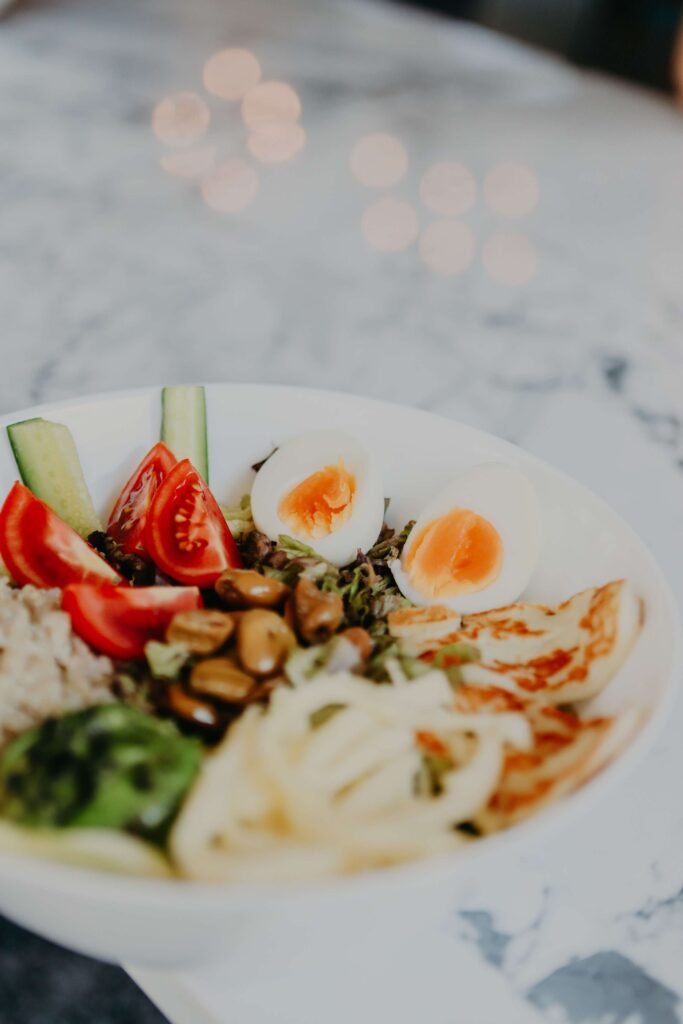
Now Reading: Anti-Inflammatory Diet for Gastritis: What to Eat & Avoid
-
01
Anti-Inflammatory Diet for Gastritis: What to Eat & Avoid
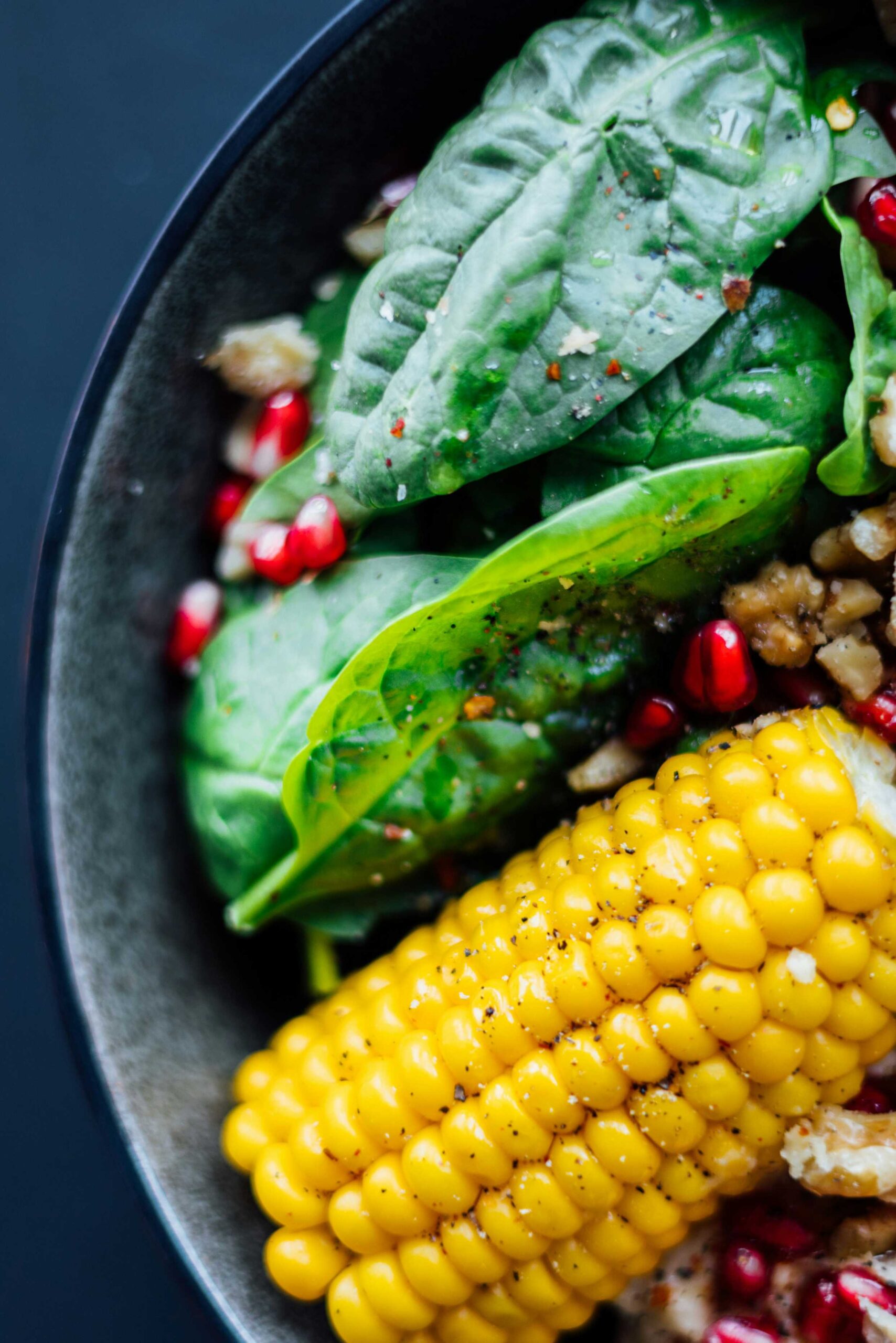
Introduction
If you’ve ever had a burning feeling in your stomach, felt bloated, or felt nauseous, you might have gastritis. This can make eating even simple meals uncomfortable. The good news is that changing your diet can help. Eating anti-inflammatory foods can calm your stomach and help it heal.
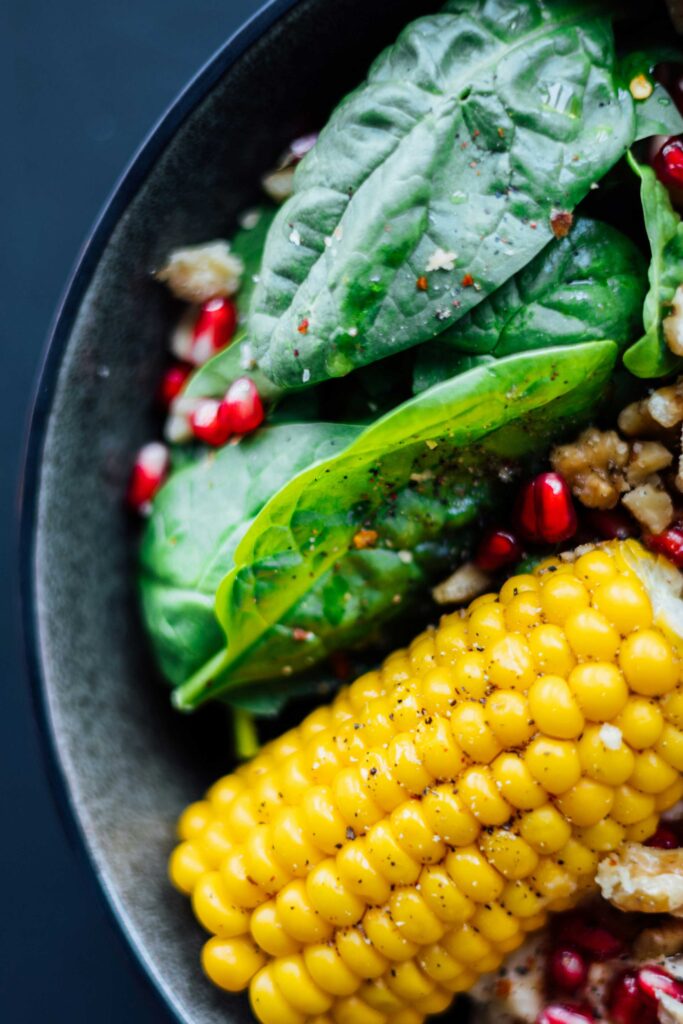
What you eat has a big impact on how your stomach feels. Choosing the right foods can reduce irritation and help your stomach recover. This guide will show you how an anti-inflammatory diet can make you feel better every day and improve your health.
What Is Gastritis?
Gastritis is the inflammation of the stomach lining. It can happen suddenly or develop over time. Common symptoms include stomach pain, nausea, vomiting, and a feeling of fullness.
According to the National Institute of Diabetes and Digestive and Kidney Diseases, gastritis affects many people worldwide and can lead to serious complications if not managed properly.
Learning about gastritis is the first step to using an anti-inflammatory diet to manage your symptoms.
Causes of Gastritis
Several factors can lead to gastritis. One of the most common causes is infection with H. pylori bacteria. Long-term use of painkillers like NSAIDs can also damage the stomach lining.
Drinking alcohol and smoking can make irritation worse. Stress can also make symptoms worse. Knowing these triggers makes it easier to follow an anti-inflammatory diet and avoid flare-ups.
Why an Anti-Inflammatory Diet for Gastritis Helps
An anti-inflammatory diet for gastritis means eating foods that soothe your stomach instead of irritating it. These foods help reduce inflammation and support healing.
Research from Harvard Health Publishing shows that chronic inflammation is linked to many digestive issues. Reducing inflammation through diet can improve symptoms and overall gut health.
By following an anti-inflammatory diet, you help your body heal naturally.
Best Foods in an Anti-Inflammatory Diet for Gastritis
Picking the right foods is important for managing symptoms. A good anti-inflammatory diet for gastritis includes simple, gentle, and nourishing foods.
Easily Digestible Carbohydrates
White rice, oats, and boiled potatoes are easy for your stomach to handle. They give you energy without causing irritation.
Lean Proteins
Lean proteins like chicken, fish, and tofu help your body heal. They are an important part of an anti-inflammatory diet for gastritis.
Cooked Vegetables and Non-Acidic Fruits
Cooked vegetables such as carrots, spinach, and zucchini are easy to digest. Bananas and peeled apples are also good choices.
Probiotic Foods
Yogurt and kefir have good bacteria that help your gut. Adding these to your diet can improve digestion.
Soothing Drinks
Herbal teas such as chamomile or ginger can help calm your stomach. Drinking warm water can also help with digestion.
Foods to Avoid with Gastritis
To get the most benefit from an anti-inflammatory diet for gastritis, it’s important to avoid certain foods.
Spicy foods can irritate your stomach lining. Fried and processed foods are harder to digest and can cause more inflammation.
Caffeine, alcohol, and fizzy drinks can make symptoms worse. Acidic foods such as citrus fruits and tomatoes can also cause discomfort.
Staying away from these foods helps your anti-inflammatory diet work better.
Sample Daily Anti-Inflammatory Diet for Gastritis
Planning your meals can make it easier to stick to an anti-inflammatory diet for gastritis.
Breakfast
Begin your day with oatmeal and a sliced banana. This breakfast is gentle on your stomach and keeps you full.
Lunch
Try grilled chicken with white rice and steamed vegetables for lunch. This meal supports healing.
Snack
Pick yogurt or a simple smoothie made with non-acidic fruits for a snack.
Dinner
For dinner, enjoy baked fish with soft vegetables such as carrots and zucchini. This is a great example of an anti-inflammatory meal for gastritis.
Vitamins and Nutrients That Help Gastritis
Certain nutrients play an important role in healing. Vitamin C supports your immune system. Vitamin B12 is important for digestion.
Zinc helps repair tissues, and antioxidants lower inflammation. Adding these nutrients to your anti-inflammatory diet can help you recover faster.
Lifestyle Tips to Manage Gastritis Naturally
Diet matters, but lifestyle changes are important too. Eating smaller meals more often can take pressure off your stomach.
Try not to eat late at night. Drink enough water during the day. Managing stress with relaxation or mindfulness can also help.
When you combine these habits with an anti-inflammatory diet, they support long-term healing.
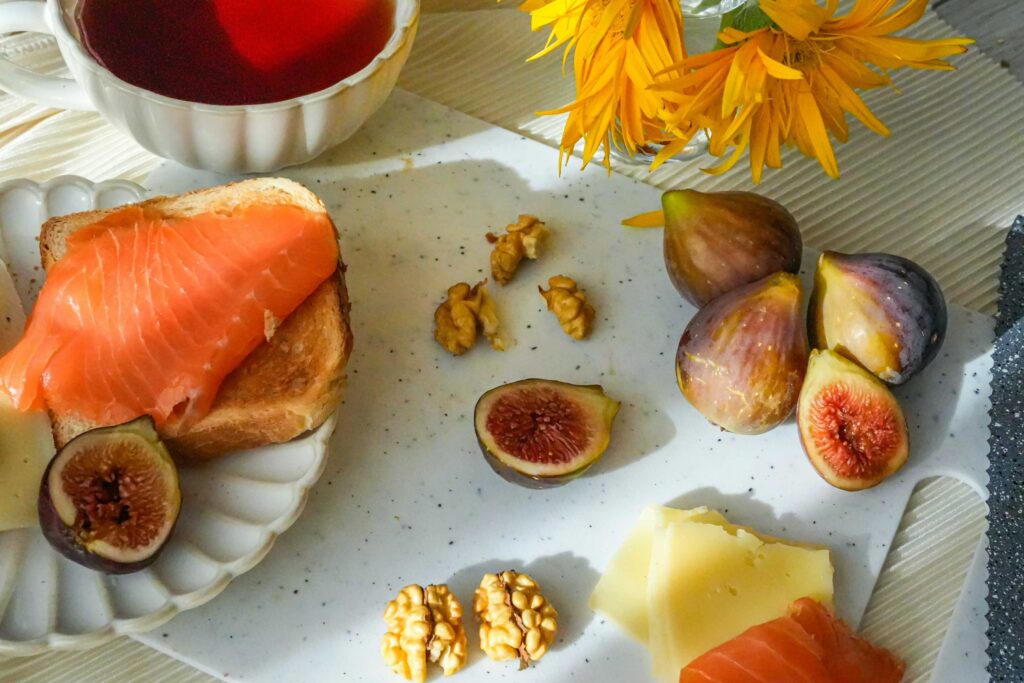
Long-Term Management of Gastritis
Managing gastritis takes consistency. Sticking to an anti-inflammatory diet every day can help keep symptoms from coming back.
Notice how your body reacts to different foods. Seeing your doctor regularly can also help you stay on track.
Small changes over time can lead to lasting relief.
Conclusion
Living with gastritis isn’t easy, but the right steps can really help. An anti-inflammatory diet can reduce pain, improve digestion, and support healing.
You don’t have to change everything at once. Begin with small steps and build healthier habits as you go.
With steady effort and care, you can manage your symptoms and feel better each day.
Helpful Video Guide
Here’s a helpful video from a trusted source:
FAQs
What is the best diet for gastritis?
An anti-inflammatory diet with soft, non-acidic foods is best.
Can anti-inflammatory foods heal gastritis?
They can help reduce symptoms and support healing.
How long does gastritis take to heal?
It depends on the cause, but with proper care, it may take a few weeks.
Is yogurt good for gastritis?
Yes, yogurt with probiotics can support gut health.
References
- NIDDK (Gastritis Overview): https://www.niddk.nih.gov/health-information/digestive-diseases/gastritis
- Harvard Health Publishing: https://www.health.harvard.edu/
- Cleveland Clinic (Gastritis Diet): https://my.clevelandclinic.org/health/articles/14685-gastritis

Hi, I’m Brittany Larsen, a passionate blogger and content creator dedicated to writing meaningful and engaging articles. I specialize in topics like mental health, wellness, and personal development, aiming to inspire and empower my readers through relatable stories and practical advice.