Now Reading: Best Journaling Layouts for Organized Daily Writing
-
01
Best Journaling Layouts for Organized Daily Writing
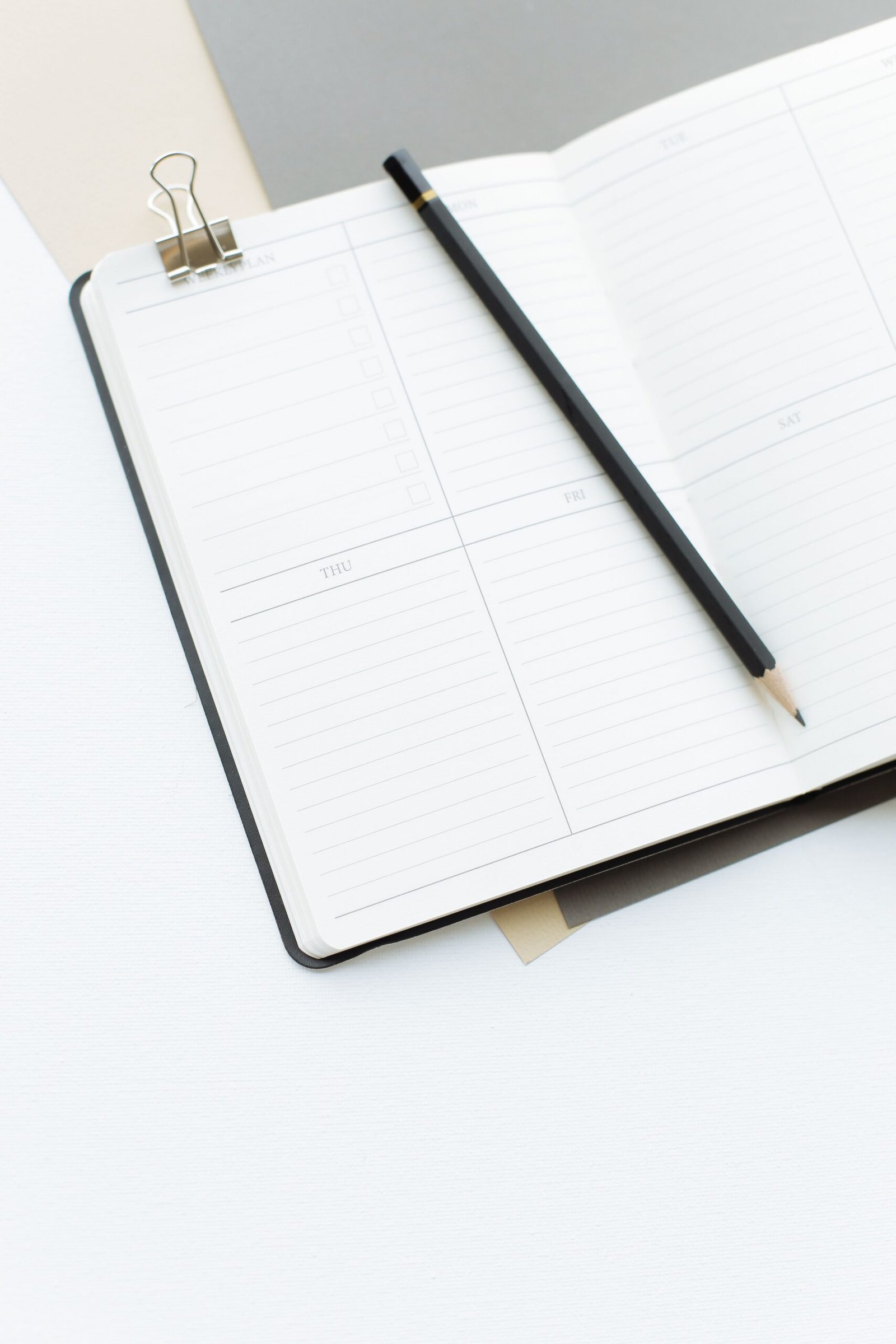
A blank journal page can be exciting, but it might also feel overwhelming. You may want to write, plan, or reflect but not know where to start. Simple journaling layouts help by giving each page a clear purpose and structure.
Some people like clean pages with just a few headings. Others enjoy using colorful trackers, drawings, stickers, or detailed schedules. Both styles work well. The best journaling layouts fit your goals, time, and personal style.
If you want to manage daily tasks, understand your emotions, or record important memories, the ideas below can help you make journal pages that feel helpful instead of stressful.
What Are Journaling Layouts?
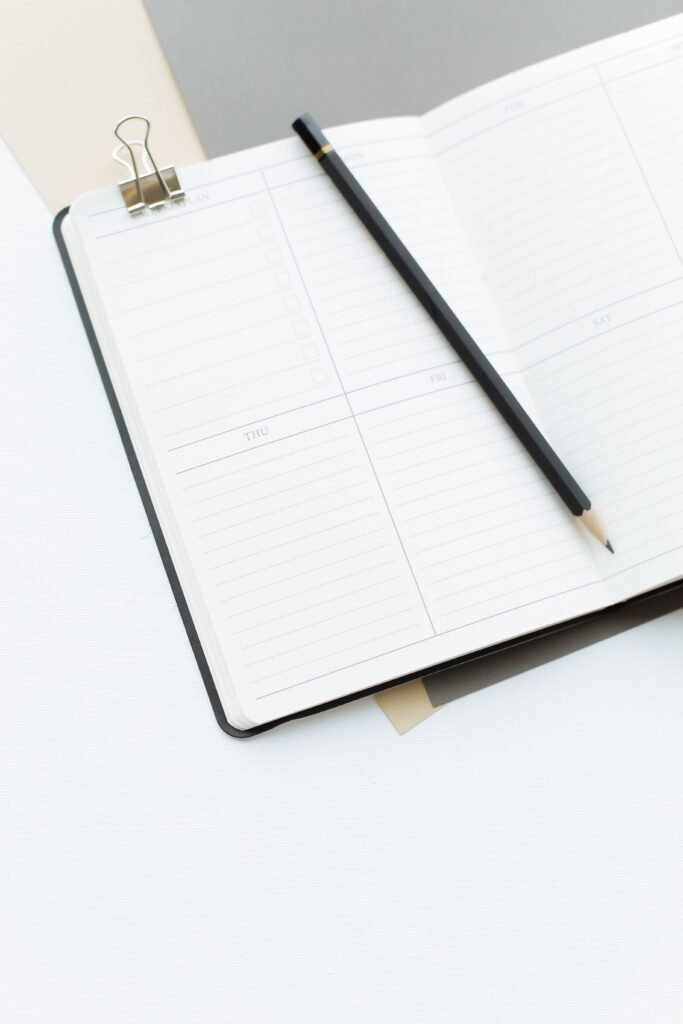
Journaling layouts are page designs that show where to put certain information. A layout might have sections for tasks, appointments, gratitude, habits, goals, moods, or personal reflections.
Structured journaling layouts, unlike regular diary entries, help you focus on a specific part of your life. They make it easier to decide what to write, organize your thoughts, and look back on your progress.
A layout should not make journaling feel like homework. If you are new to journaling, start with a few simple sections and add more only if they help you.
How Journaling Layouts May Support Well-Being
Journaling gives you a chance to slow down and notice your thoughts. The University of Rochester Medical Center says journaling may help people manage anxiety, lower stress, set priorities, track symptoms, and spot emotional triggers.
The American Psychological Association also says expressive writing can help people work through challenges and better understand their emotions, motivations, and experiences.
Good journaling layouts support this process by making it easier to start reflecting. Remember, journaling is a self-care tool, not a substitute for professional mental health care.
Simple Daily Journaling Layouts
Daily pages are helpful if you want to organize your tasks and also make space for reflection.
Minimal Daily Layout
A minimal page may include only four sections:
- Today’s priorities
- To-do list
- Important notes
- End-of-day reflection
This is one of the easiest journaling layouts for beginners because it does not need much preparation. You can divide the page into simple boxes or write each heading below the last one.
Time-Blocking Layout
A time-blocking page splits the day into hours or bigger parts, like morning, afternoon, and evening. You can add appointments, focused work, exercise, meals, and family tasks.
This layout helps you check if your schedule is realistic. Leave some open space between tasks so surprises do not throw off your whole day.
Rule of Three Layout
The rule of three makes daily planning easier. Make sections for:
- Three main priorities
- Three things you appreciate
- Three thoughts or lessons from the day
These journaling layouts are good for busy people who want structure but do not want a complicated page.
Weekly Journaling Layouts
Weekly pages give you a bigger picture of your time. They are helpful if your schedule changes from day to day.
Weekly Planner
Split two pages into seven sections, one for each day. Add another area for weekly goals, meal ideas, habits, and notes.
Do not fill every space. Leaving some white space keeps the page easy to read and gives you room to add new tasks later.
Weekly Reflection
A reflection layout helps you pause before a new week begins. Try using questions like:
- What went well this week?
- What felt difficult?
- What did I learn?
- What do I want to change?
- What support do I need?
Reflective journaling layouts help you notice patterns, so you do not just move from one week to the next without looking back at your experiences.
Monthly Journaling Layouts
Monthly pages help you track events, goals, and habits over a longer time.
Monthly Calendar
Make a traditional calendar grid or list the dates down the page. Add appointments, birthdays, deadlines, and important family events.
Use symbols or colors to tell apart personal, family, and work commitments. Keep your system simple so you can understand it quickly.
Habit Tracker
A habit tracker allows you to record repeated actions such as:
- Drinking enough water
- Exercising
- Reading
- Meditating
- Taking medication as directed
- Following a bedtime routine
Start by tracking just a few habits. Too many boxes can feel overwhelming and make the page hard to keep up with.
Mood Tracker
Mood-based journaling layouts use words, numbers, or colors to show how you feel each day. Over time, you might see links between your mood, sleep, stress, social life, or workload.
A mood tracker can help you become more self-aware, but it cannot diagnose mental health conditions. Talk to a qualified professional if you have ongoing low mood, anxiety, or emotional distress that affects your daily life.
Journaling Layouts for Personal Growth
Personal growth pages help you think about what matters to you beyond your daily routine.
Gratitude Layout
Make space to write one to three things you are grateful for each day. You can also add weekly wins, kind moments, or people who helped you.
The University of Rochester Medicine says research has linked gratitude practices to less stress, better mood, and improved sleep. A 2021 review also found gratitude journaling is connected to some measures of heart health.
Goal-Planning Layout
Break a big goal into smaller steps:
- Long-term goal
- Monthly milestone
- Weekly action
- Next small step
- Possible obstacle
- Support or resources needed
These journaling layouts help turn big wishes into clear actions. They also make it easier to change your plan when life changes.
Self-Reflection Layout
Try prompts that help you reflect honestly:
- What gave me energy today?
- What drained my energy?
- What am I avoiding?
- What am I proud of?
- What do I need more of?
You do not have to answer every question. Pick one or two that feel right for you.
Creative Journaling Layouts
A journal can also hold memories, interests, and creative ideas.
Memory Pages
Add photos, tickets, drawings, short stories, or meaningful quotes. Write down why the moment mattered instead of just focusing on decoration.
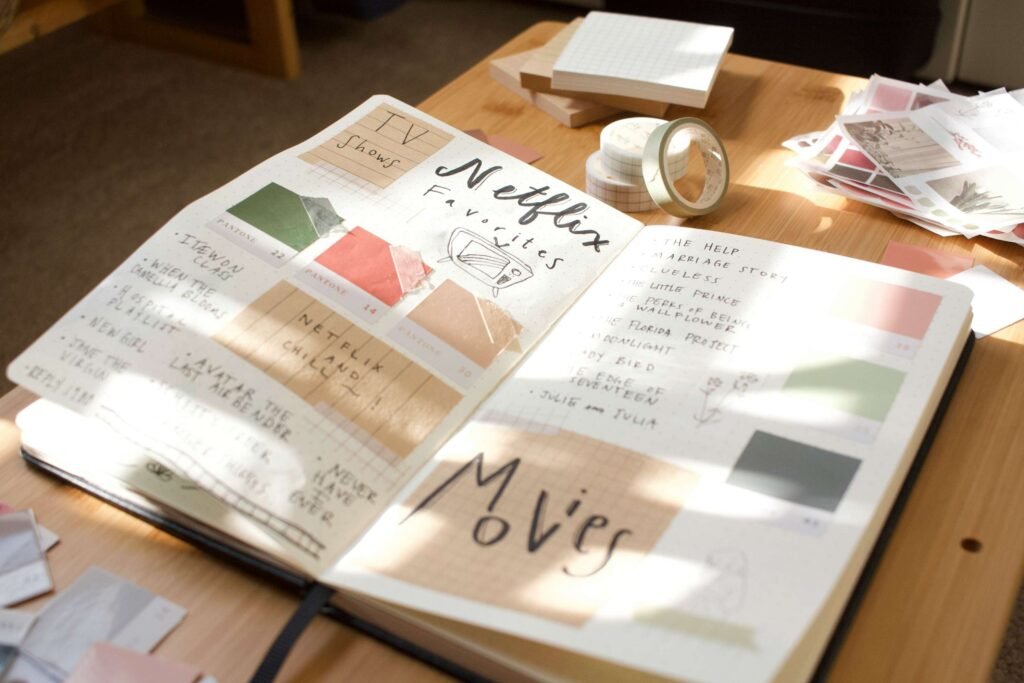
Reading Journal
Keep track of books you want to read, books you have finished, ratings, favorite ideas, and memorable quotes. You can also write a short note about what each book taught you.
Travel Journal
A travel journal layout might include your itinerary, packing list, budget, meals, favorite places, and lessons from your trip. Leave space for photos, postcards, or ticket stubs.
Recipe Layout
Write down ingredients, instructions, prep time, family ratings, and any changes you want to try next time. This makes your journal a personal collection, not just a planner.
Minimalist vs. Creative Journaling Layouts
| Quick to create | Allow more artistic expression |
| Easy to maintain | Use colors and decorations |
| Focus on function | Focus on function and appearance |
| Need fewer supplies | May require more preparation |
Minimal pages are good for people who want speed and clarity. Creative pages are for those who like drawing, lettering, or decorating. You can also mix both styles by keeping your main layout simple and adding a few visual touches.
Tips for Creating Your Own Journaling Layouts
Begin with your purpose. Think about what information you really want to record before you draw boxes or pick colors.
Leave enough white space for changes. Use clear headings, and do not add sections just because they look nice online. Try new journaling layouts for a week before deciding if they work for you.
Most importantly, accept imperfect pages. Crossed-out words, uneven lines, and unfinished trackers are normal in real journaling.
Common Mistakes to Avoid
Do not make your pages so detailed that setting them up takes longer than using them. Avoid buying lots of stationery before you know your journaling style.
You do not have to copy someone else’s page exactly. A beautiful layout you see online might not fit your schedule, goals, handwriting, or needs.
Change or remove any section that does not help you anymore. Your journal should make life easier, not add pressure.
Frequently Asked Questions
What are the best journaling layouts for beginners?
A simple daily page with priorities, tasks, notes, and a short reflection is usually the easiest way to begin.
Do journaling layouts need to be artistic?
No. Simple headings and short lists work just as well as colorful or decorated pages.
How often should I change my layout?
Change your layout whenever your routine, goals, or needs change. Some people use the same layout for months, while others change it every week.
Can I use journaling layouts digitally?
Yes. You can use these ideas in a notes app, digital planner, tablet, or journaling app.
What should I include in a wellness journal?
You can include mood, sleep, self-care activities, gratitude, stress triggers, coping strategies, and questions to talk about with a healthcare professional.
Final Thoughts
The best journaling layouts are not always the most impressive. They are the pages that help you think clearly, organize your tasks, and come back to your journal often.
Start with one simple daily page. Add a weekly reflection, habit tracker, or gratitude section only if it has a clear purpose. Your journal does not have to look perfect to help you reflect.
Make a layout that fits your real life, and let yourself change it whenever your needs change.
Recommended YouTube Resource
Here’s a helpful video:
References
- American Psychological Association. “Expressive Writing Can Help Your Mental Health.”
https://www.apa.org/news/podcasts/speaking-of-psychology/expressive-writing - University of Rochester Medical Center. “Journaling for Mental Health.”
https://www.urmc.rochester.edu/encyclopedia/content?ContentID=4552&ContentTypeID=1 - University of Rochester Medicine. “Can Gratitude Benefit Your Health?”
https://www.urmc.rochester.edu/news/publications/health-matters/gratitude-health-mental - American Psychological Association. “A New Reason for Keeping a Diary.”
https://www.apa.org/monitor/sep01/keepdiary - Huberman Lab. “A Science-Supported Journaling Protocol to Improve Mental & Physical Health.”
https://www.youtube.com/watch?v=wAZn9dF3XTo

Hi, I’m Brittany Larsen, a passionate blogger and content creator dedicated to writing meaningful and engaging articles. I specialize in topics like mental health, wellness, and personal development, aiming to inspire and empower my readers through relatable stories and practical advice.