Now Reading: Benefits of Zinc Oxide on Skin: Uses, Safety, and Skincare Tips
-
01
Benefits of Zinc Oxide on Skin: Uses, Safety, and Skincare Tips

Zinc oxide is a mineral ingredient found in sunscreens, diaper creams, protective ointments, and products for sensitive skin. Although many people know it as a sunscreen ingredient, the benefits of zinc oxide on skin extend beyond protection from ultraviolet rays.
Zinc oxide can form a protective layer over the skin, reduce contact with moisture and irritants, and soothe some forms of minor irritation. It may also support a healthy environment for damaged skin to recover. However, its effects depend on the product formula, concentration, and reason for use.
Knowing how zinc oxide works can help you pick products that fit your skin type, but remember that no single ingredient can fix every skin issue.

What Is Zinc Oxide?
Zinc oxide is a white mineral compound made from zinc and oxygen. Manufacturers use it in topical products because it can protect the skin from sunlight and create a physical barrier against moisture and friction.
In sunscreen, zinc oxide works mainly by absorbing ultraviolet radiation, although it also reflects and scatters a smaller amount. It can provide broad-spectrum protection against both UVA and UVB rays when used in a properly formulated sunscreen.
The U.S. Food and Drug Administration includes zinc oxide among the sunscreen ingredients proposed as generally recognized as safe and effective when products meet the required conditions.
Main Benefits of Zinc Oxide on Skin
The most established uses of zinc oxide involve sun protection and barrier care. Some other possible benefits remain under study or depend heavily on the complete product formula.
1. Protects Against UVA and UVB Rays
One of the most important benefits of zinc oxide on skin is broad-spectrum sun protection. UVA rays contribute to premature skin aging, while UVB rays are the main cause of sunburn. Both can contribute to skin cancer.
The American Academy of Dermatology recommends choosing a broad-spectrum, water-resistant sunscreen with an SPF of at least 30. The organization also estimates that one in five Americans will develop skin cancer during their lifetime, which highlights the importance of consistent sun protection.
A zinc oxide sunscreen can help reduce UV damage when you apply enough and reapply it correctly. Sunscreen should remain only one part of your protection plan. Shade, protective clothing, hats, and sunglasses also matter.
2. Creates a Protective Moisture Barrier
Another of the well-supported benefits of zinc oxide on skin is its ability to form a protective coating. This layer reduces direct contact between the skin and moisture, urine, sweat, or other irritants.
For this reason, zinc oxide commonly appears in diaper rash creams and products for skin exposed to incontinence. MedlinePlus explains that zinc oxide-based products can help keep moisture away from clean, dry skin. It also notes that creams containing zinc oxide may form a protective barrier for skin affected by incontinence.
This barrier effect can also help reduce friction in areas where skin rubs against skin or clothing.
3. May Soothe Minor Irritation
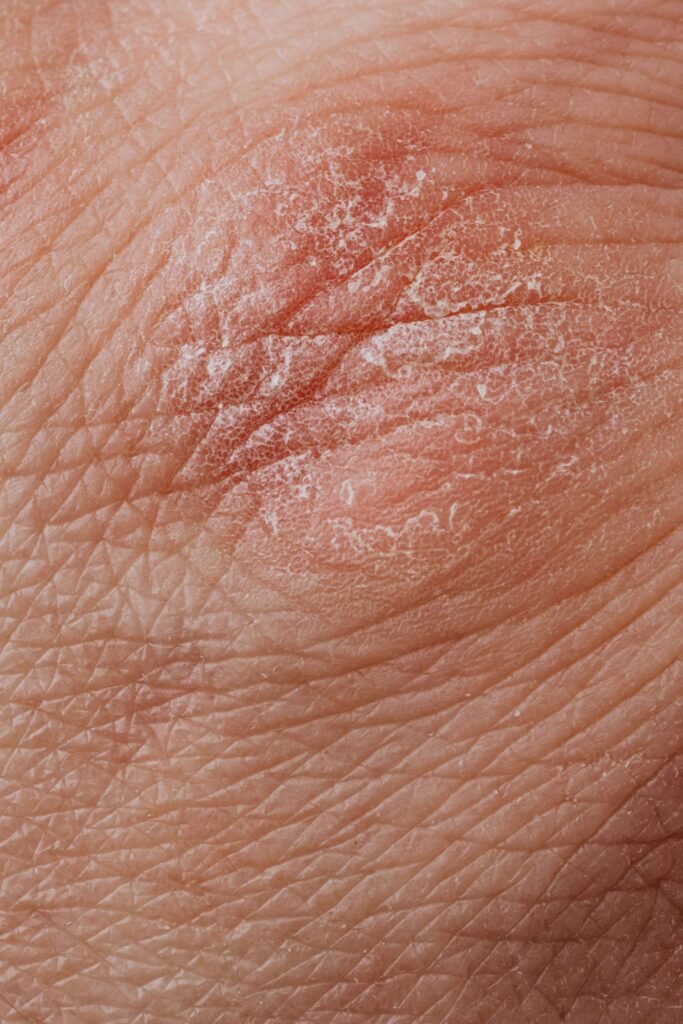
The protective layer created by zinc oxide can calm skin that feels uncomfortable because of chafing, dampness, or mild external irritation. It does not treat every cause of redness, but it may reduce further exposure to the trigger while the skin recovers.
MedlinePlus lists zinc oxide as an ingredient in creams and ointments used for minor burns and skin irritation. However, people should not use it to self-treat severe burns, open wounds, spreading rashes, or possible infections without medical advice.
These benefits of zinc oxide on skin make it useful in simple barrier creams, particularly for delicate or frequently irritated areas.
4. Supports the Skin’s Healing Environment
Zinc plays a role in many biological processes involved in skin repair. Topical zinc oxide may help protect damaged skin from moisture and external irritants, creating an environment that supports normal healing.
Researchers are also studying zinc oxide nanoparticles in advanced wound dressings. A recent systematic review reported promising findings for zinc oxide-containing dressings in tissue regeneration, but the authors also noted that their effects and mechanisms in complex wounds remain incompletely understood.
Therefore, the benefits of zinc oxide on skin should not be confused with a claim that an ordinary zinc oxide cream can treat serious wounds. Deep, infected, or slow-healing wounds require professional medical care.
5. May Suit Sensitive Skin
Mineral sunscreens containing zinc oxide often appeal to people whose skin stings or reacts to other sunscreen formulas. Zinc oxide itself may feel gentle, but the finished product can still contain fragrances, preservatives, botanical extracts, or other ingredients that trigger irritation.
One of the practical benefits of zinc oxide on skin is that it offers another sunscreen option for people who struggle to find a comfortable formula. The American Academy of Dermatology notes that many sunscreens made for children contain zinc oxide or titanium dioxide.
People with sensitive skin should look for fragrance-free products and patch-test a new formula before applying it widely.
6. May Be Useful for Acne-Prone Skin
Zinc oxide often appears in mineral sunscreens marketed for oily or acne-prone skin. Some formulas have a dry or matte finish, which may feel more comfortable on oily areas.
Laboratory and early formulation research has explored zinc oxide for antibacterial and anti-inflammatory applications related to acne. However, this does not mean that ordinary zinc oxide cream is a proven stand-alone acne treatment. Current research still raises questions about formulation, effectiveness, and safety in acne-specific products.
Among the possible benefits of zinc oxide on skin, acne support is less firmly established than sun protection or barrier care. Choose a non-comedogenic sunscreen, and use established acne treatments under professional guidance when needed.
Benefits of Zinc Oxide Sunscreen
Zinc oxide sunscreen provides broad-spectrum coverage in a single mineral filter. It starts working when it forms an even protective film on the skin, but you should still apply it before sun exposure so you have time to cover every area properly.
The main benefits of zinc oxide on skin through sunscreen include reducing sunburn, limiting cumulative UV damage, and helping prevent early signs of sun-related aging. However, effectiveness depends more on the product’s tested SPF, broad-spectrum label, application amount, and reapplication than on the ingredient percentage alone.
Choose a sunscreen that offers:
- Broad-spectrum protection
- SPF 30 or higher
- Water resistance for swimming or sweating
- A texture you can apply generously
- A tint if a white cast is a concern
The American Academy of Dermatology recommends reapplying sunscreen approximately every two hours while outdoors and after swimming or sweating.
How to Use Zinc Oxide on Your Face
To receive the benefits of zinc oxide on skin from a facial sunscreen, apply it as the final step of your morning skincare routine, before makeup. Cover your face, ears, neck, hairline, and other exposed areas.
Use enough product to create an even layer. Applying a very thin coat may not deliver the level of protection shown on the label. Reapply during prolonged outdoor exposure, especially after sweating, swimming, or towel drying.
For a zinc oxide barrier cream, follow the product instructions. Apply it to clean, dry skin and avoid using it near the eyes unless the label says it is suitable for that area.
Possible Side Effects and Limitations
Most people tolerate zinc oxide products well, but no skincare ingredient works for everyone. Possible problems include dryness, tightness, pilling, a heavy texture, or a visible white cast.
The finished formula may also cause contact irritation or an allergic response because of another ingredient. Stop using the product if you develop swelling, severe itching, blistering, or worsening redness.
Powdered or spray products require extra care because inhaling zinc oxide particles is different from applying a cream to intact skin. Creams and lotions are usually easier to control around the face.
Studies of nanoparticle zinc oxide sunscreen have found that the particles did not penetrate into living layers of intact human skin under the tested conditions. Still, avoid applying sunscreen to severely damaged skin unless a healthcare professional recommends it.
Tips for Choosing a Zinc Oxide Product
To get the benefits of zinc oxide on skin, select a product based on its intended use rather than choosing one simply because zinc oxide appears on the label.
For daily sun protection, choose broad-spectrum SPF 30 or higher. People with acne-prone skin may prefer an oil-free, non-comedogenic formula. Those with dry skin may benefit from a moisturizing cream, while people concerned about a white cast can try a tinted mineral sunscreen.
If you need help with rashes or irritation, pick a product made for that problem. Don’t use diaper cream as a facial sunscreen unless it’s labeled and rated as a sunscreen.

Frequently Asked Questions
Can you use zinc oxide on your face every day?
Yes, you can use a well-made zinc oxide facial sunscreen every day. Using it daily is one of the best ways to protect your skin from the sun.
Can zinc oxide dry out the skin?
Some zinc oxide products can feel drying, especially if your skin is already dry or flaky. Try a formula with moisturizing ingredients or use a moisturizer underneath.
Does zinc oxide help dark spots?
Zinc oxide won’t remove dark spots you already have. But using broad-spectrum sunscreen can help stop UV rays from making discoloration worse. Tinted sunscreens with iron oxides may also protect against visible light, which can add to hyperpigmentation.
Does zinc oxide clog pores?
Zinc oxide by itself usually doesn’t clog pores, but the whole product formula matters. If you get blocked pores or acne, choose products labeled non-comedogenic.
Is zinc oxide better than chemical sunscreen?
Both mineral and chemical sunscreens can work well if they’re made and used properly. The best sunscreen is one with broad-spectrum SPF 30 or higher that you’ll use generously and regularly.
Final Thoughts
The main benefits of zinc oxide are broad-spectrum UV protection, helping your skin keep out moisture, and shielding it from minor irritation. It can also work well for sensitive or acne-prone skin if you pick the right product.
Zinc oxide is helpful, but it won’t cure every rash, wound, or acne issue. Choose products based on their labels, patch-test if needed, and talk to a dermatologist if you have ongoing irritation or new skin problems.
When you use it the right way, zinc oxide can be a practical part of a simple, protective skincare routine.
Recommended YouTube Resource
Benefits of zinc in skin care by Dr. Dray:
References
- American Academy of Dermatology. “Sunscreen FAQs.”
https://www.aad.org/public/everyday-care/sun-protection/shade-clothing-sunscreen/sunscreen-faqs - American Academy of Dermatology. “Skin Cancer Statistics.”
https://www.aad.org/media/stats/conditions/skin-cancer - U.S. Food and Drug Administration. “Questions and Answers: OTC Sunscreen Orders.”
https://www.fda.gov/drugs/understanding-over-counter-medicines/questions-and-answers-fda-posts-deemed-final-order-and-proposed-order-over-counter-sunscreen - MedlinePlus. “Diaper Rash.”
https://medlineplus.gov/ency/article/000964.htm - MedlinePlus. “Skin Care and Incontinence.”
https://medlineplus.gov/ency/article/003976.htm - National Library of Medicine. “Zinc Oxide Nanoparticles for Skin Wound Healing: A Systematic Review.”
https://pmc.ncbi.nlm.nih.gov/articles/PMC12448027/ - American Academy of Dermatology. “How to Select a Sunscreen.”
https://www.aad.org/public/skin-hair-nails/skin-care/sunscreen/choosing-the-right-sunscreen

Hi, I’m Brittany Larsen, a passionate blogger and content creator dedicated to writing meaningful and engaging articles. I specialize in topics like mental health, wellness, and personal development, aiming to inspire and empower my readers through relatable stories and practical advice.