Now Reading: Olive Leaf Tea Benefits: 12 Science-Backed Advantages
-
01
Olive Leaf Tea Benefits: 12 Science-Backed Advantages
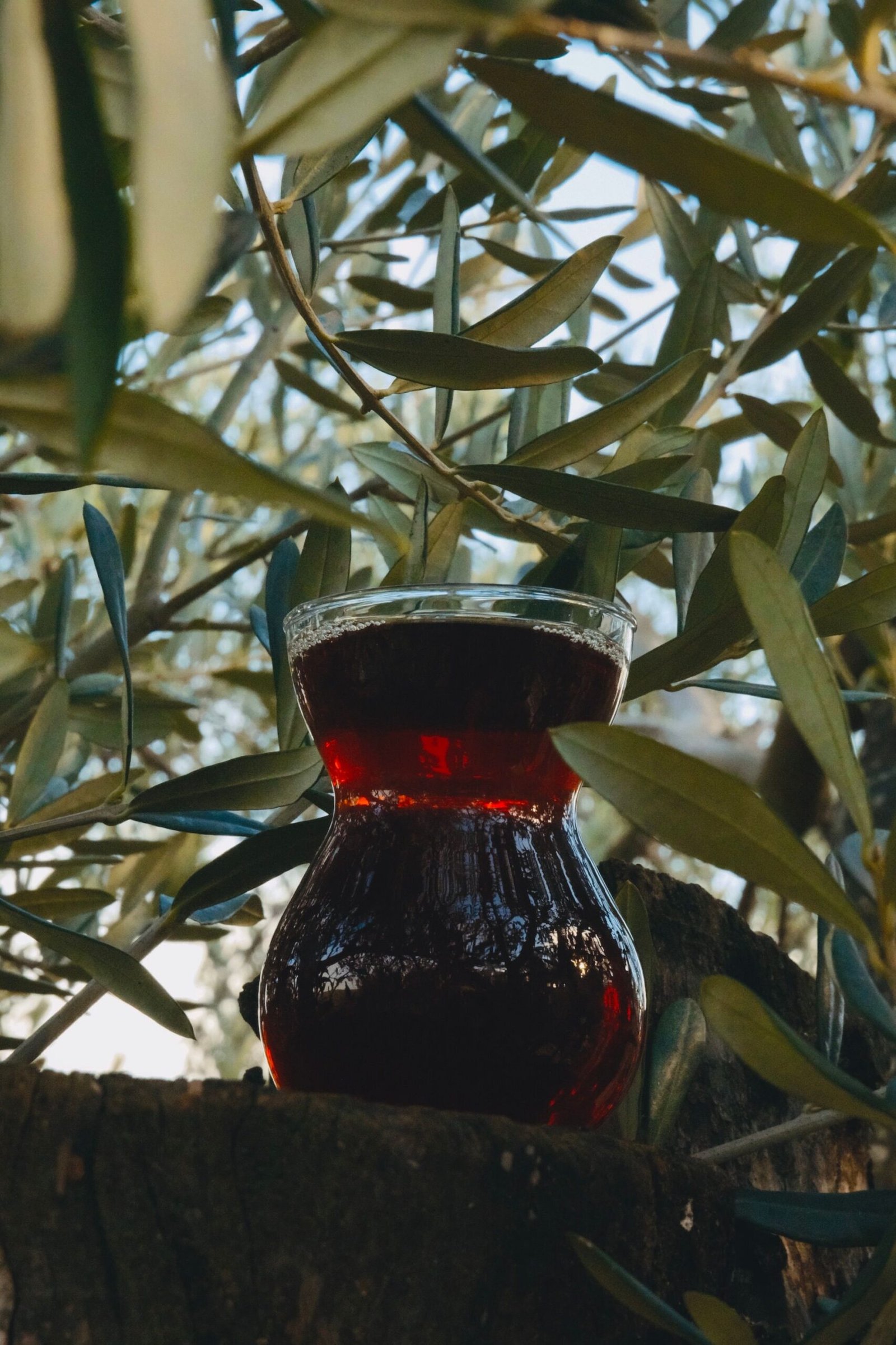
If you want a natural herbal drink that could support your health, olive leaf tea is worth considering. This caffeine-free tea comes from the leaves of the olive tree (Olea europaea) and has a long history in Mediterranean medicine. Researchers are now studying its plant compounds to see how they might help with heart health, immunity, and general wellness.
Many of the benefits of olive leaf tea come from antioxidants like oleuropein and hydroxytyrosol. While most research looks at olive leaf extract instead of the tea, drinking olive leaf tea can still give you helpful plant compounds as part of a healthy lifestyle. This guide covers the top benefits, possible side effects, and how to make olive leaf tea at home.
What Is Olive Leaf Tea?
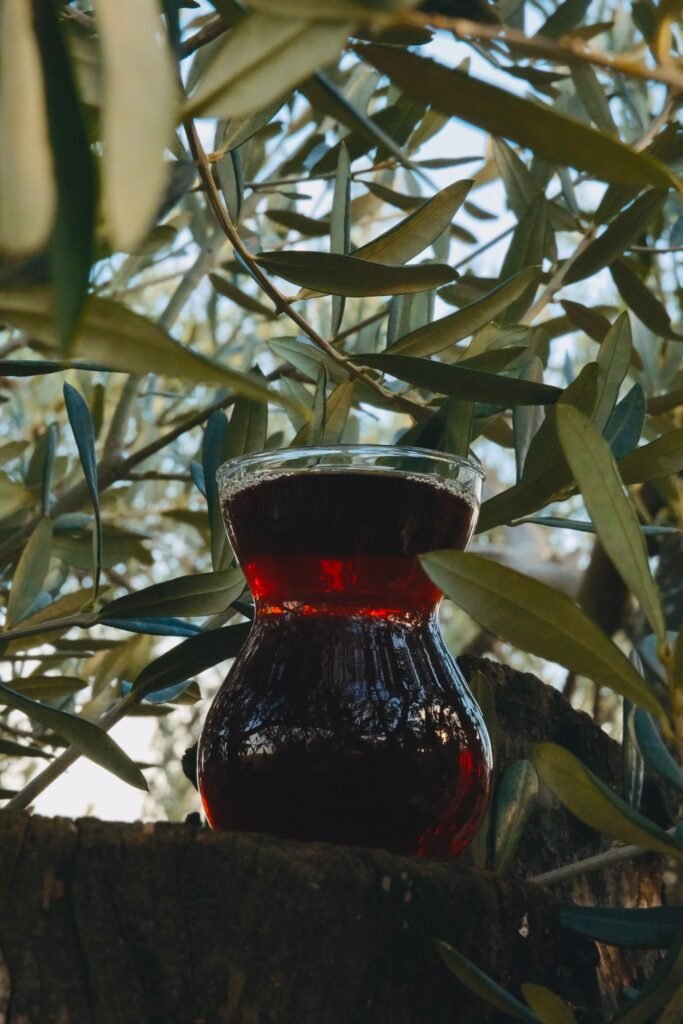
To understand the benefits of olive leaf tea, it helps to know what it is. Olive leaf tea is made by steeping dried olive leaves in hot water. Unlike green or black tea, it has no caffeine, so you can enjoy it as a calming drink any time of day.
Olive leaves are full of antioxidants, especially oleuropein, which scientists are interested in for its possible health benefits. While the tea is less concentrated than olive leaf extract supplements, it’s still an easy way to get these helpful compounds.
Why Is Olive Leaf Tea Good for You?
Olive leaf tea’s benefits mostly come from its natural antioxidants and anti-inflammatory compounds. Antioxidants protect your cells from oxidative stress, which is connected to aging and some chronic diseases.
The National Institutes of Health (NIH) says that eating lots of plant-based foods and antioxidants supports your health and may lower oxidative damage (https://www.nih.gov). Olive leaf tea is not a cure or treatment, but it can be part of a healthy diet along with exercise, good sleep, and balanced nutrition.
12 Potential Olive Leaf Tea Benefits
1. May Support Heart Health
A common benefit people talk about is olive leaf tea’s possible support for heart health. Oleuropein may help keep blood vessels healthy and support normal cholesterol levels when you follow a heart-healthy lifestyle.
The American Heart Association emphasizes that healthy dietary habits remain one of the most effective ways to protect cardiovascular health (https://www.heart.org).
2. May Help Maintain Healthy Blood Pressure
Some studies suggest that compounds in olive leaves may help support healthy blood pressure. However, most research has focused on concentrated olive leaf extract, not the tea itself.
If you already take blood pressure medication, consult your healthcare provider before regularly drinking olive leaf tea.
3. Rich in Powerful Antioxidants
One of the main benefits of olive leaf tea is its antioxidants. These help neutralize free radicals, which can damage cells over time.
Eating and drinking foods rich in antioxidants supports your overall wellness and healthy aging.
4. May Support Healthy Blood Sugar Levels
Early research shows that olive leaf compounds might help support healthy blood sugar levels. Still, more large studies in people are needed before we can be sure.
People with diabetes should continue following their prescribed treatment plan and speak with a healthcare professional before using herbal products.
5. May Strengthen the Immune System
Another possible benefit is for immune health. The antioxidants in olive leaves may help your immune system by protecting cells from oxidative stress.
Drinking herbal tea also helps you stay hydrated, which is good for your health.
6. May Help Reduce Inflammation
Chronic inflammation is linked to several long-term health problems. Olive leaf compounds have shown anti-inflammatory effects in lab and animal studies.
More research in people is needed, but adding drinks like olive leaf tea to a balanced diet may help support your overall wellness.
7. May Support Healthy Weight Management
Many people look into olive leaf tea for weight management. While the tea doesn’t burn fat, it can replace sugary drinks and help you cut calories.
Switching from high-calorie drinks to unsweetened herbal tea is an easy way to help manage your weight over time.
8. May Promote Healthy Skin
Healthy skin begins on the inside. The antioxidants in olive leaves may help protect your skin cells from damage caused by the environment.
Along with staying hydrated, using sunscreen, and eating well, olive leaf tea may help support healthy skin.
9. May Support Brain Health
Scientists are still looking into whether olive leaf compounds can help protect nerve cells from damage. While the evidence is still growing, foods and drinks rich in antioxidants are often suggested for brain health.
We need more clinical studies before making specific recommendations.
10. May Have Antimicrobial Properties
Lab studies show that olive leaf compounds might fight some bacteria and viruses. However, results in the lab don’t always mean the same thing will happen in people.
Olive leaf tea should never replace medical treatment for infections.
11. May Support Healthy Aging
One lesser-known benefit of olive leaf tea is its possible role in healthy aging. Antioxidants help lower oxidative stress, which is linked to aging at the cellular level.
Drinking antioxidant-rich beverages regularly can support your other healthy habits.
12. A Naturally Caffeine-Free Herbal Tea
Olive leaf tea has no caffeine, unlike coffee or regular tea. This makes it a great drink in the evening if you want to relax without disturbing your sleep.
Picking caffeine-free drinks later in the day can also help people who are sensitive to caffeine sleep better.
How to Make Olive Leaf Tea at Home
Making olive leaf tea is easy.
Ingredients
- 1 tablespoon dried olive leaves
- 2 cups water
- Lemon slice (optional)
- Honey (optional)
Instructions
- Bring water to a boil.
- Add the dried olive leaves.
- Lower the heat and let the leaves steep for 5 to 10 minutes.
- Strain the tea into a cup.
- Add lemon or honey if desired and enjoy warm.
Recommended Dosage
There aren’t any official dosage guidelines for olive leaf tea. Most people start with one cup a day to see how it affects them.
If you’re pregnant, breastfeeding, or taking medication for blood pressure or diabetes, talk with your healthcare provider before regularly consuming olive leaf tea.
Possible Side Effects and Precautions
While olive leaf tea has promising benefits, some people might have mild side effects like stomach discomfort or dizziness.
Olive leaf products can interact with medicines that lower blood pressure or blood sugar. If you have an olive allergy, you should avoid this tea.
If you notice any unusual symptoms after drinking olive leaf tea, stop using it and talk to your doctor.
Olive Leaf Tea vs. Olive Leaf Extract
| Feature | Olive Leaf Tea | Olive Leaf Extract |
| Preparation | Brewed from dried leaves | Capsules or liquid |
| Strength | Mild | More concentrated |
| Daily Use | Easy to prepare | Convenient supplement |
| Scientific Research | Limited | More clinical studies available |
Most research has looked at olive leaf extract, not the tea, so the effects of brewed tea might be different.
Frequently Asked Questions
What are the main olive leaf tea benefits?
Possible benefits of olive leaf tea include antioxidant support, heart health, immune support, healthy blood pressure, and less inflammation. More research in people is still needed for many of these effects.
Can I drink olive leaf tea every day?
Most healthy adults can have one or two cups a day. If you take prescription medicine, check with your doctor first.
Does olive leaf tea contain caffeine?
No. Olive leaf tea is naturally caffeine-free.
How long does it take to notice benefits?
Results can be different for everyone. Olive leaf tea works best as part of a healthy lifestyle, not as a quick fix.
Is olive leaf tea safe for everyone?
Most healthy adults can drink olive leaf tea in moderation. If you are pregnant, breastfeeding, or taking medication, talk to your doctor before drinking it regularly.
Final Thoughts
More people are interested in olive leaf tea as part of a move toward natural wellness and plant-based nutrition. While research on brewed olive leaf tea is still ongoing, its antioxidants and lack of caffeine make it a refreshing choice for a healthy lifestyle.
Keep in mind that olive leaf tea should add to, not replace, medical care, good nutrition, exercise, and other proven health habits. If you have a chronic condition or take prescription medicine, talk to your doctor before making olive leaf tea a regular part of your routine.
Recommended YouTube Video
Here’s a helpful video by Dr. Eric:
References
- National Institutes of Health (NIH). https://www.nih.gov
- National Center for Complementary and Integrative Health (NCCIH). Herbs at a Glance. https://www.nccih.nih.gov
- American Heart Association. Healthy Living. https://www.heart.org
- Harvard T.H. Chan School of Public Health – The Nutrition Source. https://nutritionsource.hsph.harvard.edu/
- World Health Organization (WHO). Healthy Diet. https://www.who.int/news-room/fact-sheets/detail/healthy-diet
- Omar SH. Oleuropein in Olive and Its Pharmacological Effects. Scientia Pharmaceutica. 2010. https://www.ncbi.nlm.nih.gov/pmc/articles/PMC3002804/

Hi, I’m Brittany Larsen, a passionate blogger and content creator dedicated to writing meaningful and engaging articles. I specialize in topics like mental health, wellness, and personal development, aiming to inspire and empower my readers through relatable stories and practical advice.