Now Reading: Red Clover Benefits for Skin: Uses, Research, and Safety
-
01
Red Clover Benefits for Skin: Uses, Research, and Safety
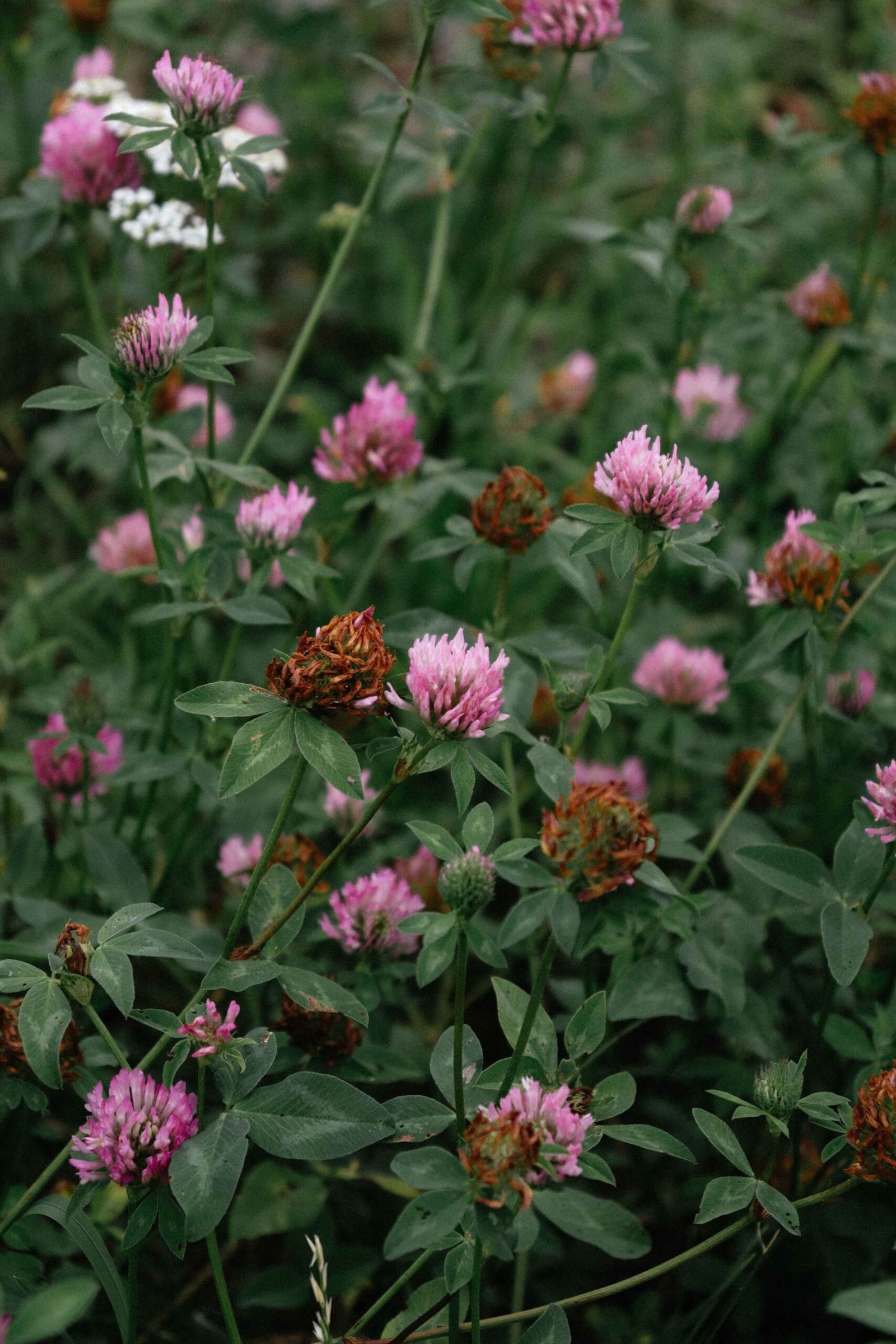
Red clover is more than a familiar meadow flower. This plant, known scientifically as Trifolium pratense, contains naturally occurring isoflavones and antioxidant compounds that have attracted growing interest in skincare. Many people search for red clover benefits for skin because the extract now appears in creams, serums, and supplements marketed for mature, dry, or stressed skin.
Research into red clover benefits for skin is still developing. Some studies suggest that its isoflavones may support skin appearance, particularly after menopause, while laboratory research points to antioxidant activity. However, red clover is not a proven treatment for acne, wrinkles, eczema, or pigmentation. Understanding the evidence can help you use this botanical ingredient more realistically and safely.
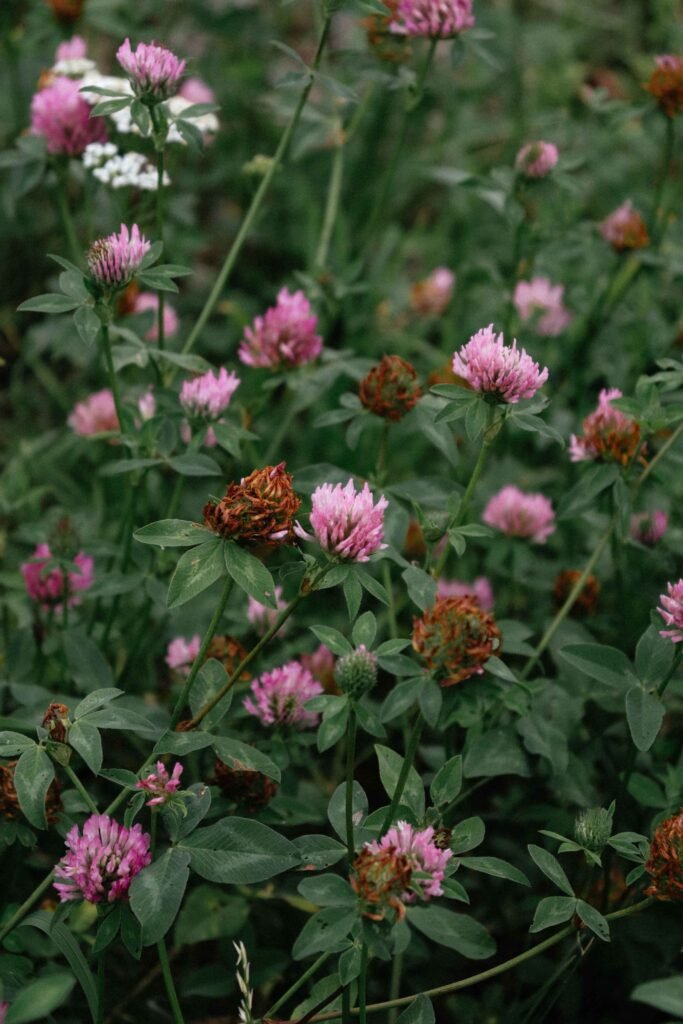
What Is Red Clover?
Red clover is a flowering member of the legume family. It grows naturally across Europe and parts of Asia and Africa and is now cultivated in many other regions.
According to the National Center for Complementary and Integrative Health (NCCIH), red clover contains isoflavones, plant compounds with a chemical structure similar to estrogen. Important red clover isoflavones include biochanin A, formononetin, genistein, and daidzein.
These compounds explain much of the scientific interest in red clover benefits for skin, especially skin changes linked with menopause. Red clover is available as supplements, teas, creams, and cosmetic extracts, but oral and topical products should not be considered interchangeable.
Why Is Red Clover Used in Skincare?
Skin naturally changes with age. Collagen levels decline, moisture retention can decrease, and the skin may become thinner or less elastic. Hormonal changes around menopause can make these changes more noticeable.
Researchers are interested in red clover benefits for skin because isoflavones act as phytoestrogens, meaning they have weak estrogen-like activity. Red clover also contains flavonoids and other plant compounds with antioxidant properties.
These features may help explain why cosmetic brands add red clover extract to products designed for mature, dry, or environmentally stressed skin.
Top Red Clover Benefits for Skin
1. Provides Antioxidant Support
One of the most promising red clover benefits for skin is antioxidant protection.
Every day, skin encounters ultraviolet radiation, pollution, and other environmental stressors that contribute to free-radical formation. Excessive oxidative stress can damage cellular structures and contribute to premature skin aging.
Red clover contains flavonoids and isoflavones with antioxidant activity. These compounds may help support the skin’s natural defenses, although red clover should never replace sunscreen.
The American Academy of Dermatology recommends a broad-spectrum, water-resistant sunscreen with SPF 30 or higher to help protect against sunburn, premature aging, and skin cancer.
2. May Support Mature Skin
The possible effects on aging skin are among the most interesting red clover benefits for skin.
A small randomized study involving 109 postmenopausal women found that participants reported better subjective skin and scalp hair status after taking a red clover extract containing isoflavones. However, the study relied largely on subjective ratings, so it does not prove that red clover reverses skin aging. The study is available through PubMed.
Animal research has also found changes in collagen and elastic fibers after red clover isoflavone treatment. These findings are promising but cannot automatically be applied to humans.
3. May Help Support Skin Hydration
Dryness becomes more common as skin ages and its natural barrier becomes less effective at retaining water.
Another potential red clover benefit for skin is improved moisture support. Red clover extracts are often included in creams alongside ingredients such as glycerin, hyaluronic acid, and ceramides.
The strongest hydration effect in these products may come from the entire formulation rather than red clover alone. For dry skin, well-established moisturizing ingredients should remain the foundation of your routine.
4. May Soothe Temporary Redness
Red clover contains plant compounds that have shown anti-inflammatory activity in experimental research.
These properties may explain why some skincare companies use red clover in products formulated for stressed or sensitive-looking skin. The soothing effect is another reason for growing interest in red clover benefits for skin.
However, persistent redness can result from rosacea, eczema, allergies, or other skin conditions. A dermatologist should evaluate symptoms that continue or worsen.
5. May Support Skin Elasticity
Collagen and elastin help skin maintain its structure and flexibility. Their levels and organization change naturally with age.
Some research has investigated whether red clover isoflavones influence skin structure. One animal study published in PubMed found improved collagen and elastic fiber appearance in estrogen-deprived rats treated with red clover isoflavones.
This makes elasticity one of the more interesting potential red clover benefits for skin, but stronger human clinical trials are needed.
6. May Improve the Appearance of Dull Skin
Skin can look dull when it is dehydrated or exposed to environmental stress.
By supporting antioxidant defenses and hydration, red clover-containing products may help skin look smoother and more refreshed. This cosmetic effect may contribute to the perceived red clover benefits for skin.
Red clover does not bleach skin or instantly remove discoloration. Daily sunscreen and proven ingredients such as vitamin C, niacinamide, or azelaic acid have stronger evidence for managing uneven tone.
7. May Complement the Skin Barrier
Your skin barrier helps keep moisture inside while blocking irritants from the environment.
Red clover’s soothing and antioxidant properties may make it a useful supporting ingredient in barrier-focused products. However, ceramides, glycerin, petrolatum, and other established moisturizers have much stronger evidence for directly improving moisture retention.
Think of red clover benefits for skin as complementary rather than essential.
8. Fits Well Into Mature-Skin Routines
Red clover extract can be combined with other evidence-based ingredients.
A simple mature-skin routine may include:
- Gentle cleanser
- Red clover or antioxidant serum
- Niacinamide
- Hyaluronic acid
- Ceramide moisturizer
- Broad-spectrum SPF 30+ sunscreen
- Retinoid at night, if tolerated
Using several products at once can irritate sensitive skin, so introduce new ingredients gradually.
What Does Research Say About Red Clover and Skin?
Research into red clover benefits for skin remains relatively small compared with research on established skincare ingredients such as retinoids or sunscreen.
The human study involving 109 postmenopausal women reported subjective improvements in skin and scalp hair after red clover isoflavone supplementation. However, larger and more objective trials are needed to confirm these effects.
The NCCIH also emphasizes that research has not shown conclusive benefits of red clover for any health condition. Studies examining menopausal symptoms and other outcomes have produced inconsistent results.
Therefore, red clover remains a promising botanical ingredient rather than a proven anti-aging treatment.
How to Use Red Clover for Skin
Choose a Formulated Serum
A professionally formulated serum containing Trifolium pratense extract provides a more predictable concentration than a homemade preparation.
Apply it after cleansing and before moisturizer according to the product directions.
Try a Moisturizer With Red Clover
Moisturizers containing red clover may work particularly well for dry or mature skin when they also contain ingredients like glycerin, ceramides, or hyaluronic acid.
Be Careful With DIY Products
Homemade red clover extracts can vary greatly in concentration and may introduce bacteria or allergens to the skin.
Commercial skincare products generally provide better control over formulation, preservation, and ingredient concentration.
Is Red Clover Good for Acne?
Some websites list acne reduction among the red clover benefits for skin, but clinical evidence is currently insufficient.
Red clover’s antioxidant and anti-inflammatory properties may make it a supportive ingredient in formulas designed for blemish-prone skin. However, it has not been proven to treat acne.
Ingredients such as benzoyl peroxide, adapalene, salicylic acid, and azelaic acid have much stronger clinical evidence. Persistent or scarring acne deserves evaluation by a dermatologist.
Side Effects and Safety Precautions
Topical red clover products may cause irritation or allergic reactions in some people. Patch-test any new product before applying it widely, especially if you have sensitive skin.
Oral red clover deserves greater caution because its isoflavones have estrogen-like activity. NCCIH states that red clover supplements may be unsafe during pregnancy or breastfeeding and recommends discussing herbal products with a healthcare professional when taking medication.
Memorial Sloan Kettering Cancer Center also advises caution for people taking blood thinners such as warfarin and those with hormone-sensitive cancers.
These concerns mainly relate to oral supplements and should not be assumed to apply equally to every topical cosmetic product.
Frequently Asked Questions
What are the main red clover benefits for skin?
Potential red clover benefits for skin include antioxidant support, improved hydration, soothing temporary irritation, and possible support for mature-looking skin and elasticity.
Can red clover reduce wrinkles?
Current research does not prove that red clover removes wrinkles. Its antioxidant and isoflavone content may support healthy-looking mature skin, but stronger human studies are needed.
Is red clover good for dry skin?
Red clover may complement moisturizing products, particularly when paired with glycerin, ceramides, or hyaluronic acid.
Can red clover help acne?
There is not enough evidence to consider red clover an acne treatment.
Can I use red clover skincare every day?
Many formulated products are designed for daily use. Follow the manufacturer’s directions and discontinue use if irritation develops.
Is red clover safe for sensitive skin?
It may be well tolerated, but botanical ingredients can still cause reactions. Patch testing is recommended.
Final Thoughts
The most promising red clover benefits for skin relate to antioxidant activity, hydration, soothing support, and possible effects on mature skin. Red clover’s isoflavones have attracted particular interest because skin changes after menopause are partly linked with declining estrogen levels.
However, red clover should not replace proven skincare practices. Human research remains limited, and many claims online go beyond the available evidence. Use well-formulated topical products, moisturize consistently, and wear broad-spectrum SPF 30 or higher every day. With realistic expectations, red clover benefits for skin may make this botanical extract a useful supporting ingredient in a balanced skincare routine.
Recommended YouTube Resource
Here’s a helpful video by Dr. Janine:
References
- National Center for Complementary and Integrative Health — Red Clover:
https://www.nccih.nih.gov/health/red-clover - Memorial Sloan Kettering Cancer Center — Red Clover:
https://www.mskcc.org/cancer-care/integrative-medicine/herbs/red-clover - PubMed — Effect of Red Clover Isoflavones on Skin, Appendages, and Mucosal Status in Postmenopausal Women:
https://pubmed.ncbi.nlm.nih.gov/22135679/ - PubMed — Effects of Red Clover Isoflavones on Skin Changes in an Experimental Model:
https://pubmed.ncbi.nlm.nih.gov/17078110/ - American Academy of Dermatology — Sunscreen Guidance:
https://www.aad.org/public/everyday-care/sun-protection/shade-clothing-sunscreen/how-to-apply-sunscreen - NCCIH — Menopausal Symptoms and Complementary Health Approaches:
https://www.nccih.nih.gov/health/menopausal-symptoms-in-depth

Hi, I’m Brittany Larsen, a passionate blogger and content creator dedicated to writing meaningful and engaging articles. I specialize in topics like mental health, wellness, and personal development, aiming to inspire and empower my readers through relatable stories and practical advice.