Now Reading: 12 Lower Cholesterol Lunch Ideas That Are Easy and Filling
-
01
12 Lower Cholesterol Lunch Ideas That Are Easy and Filling
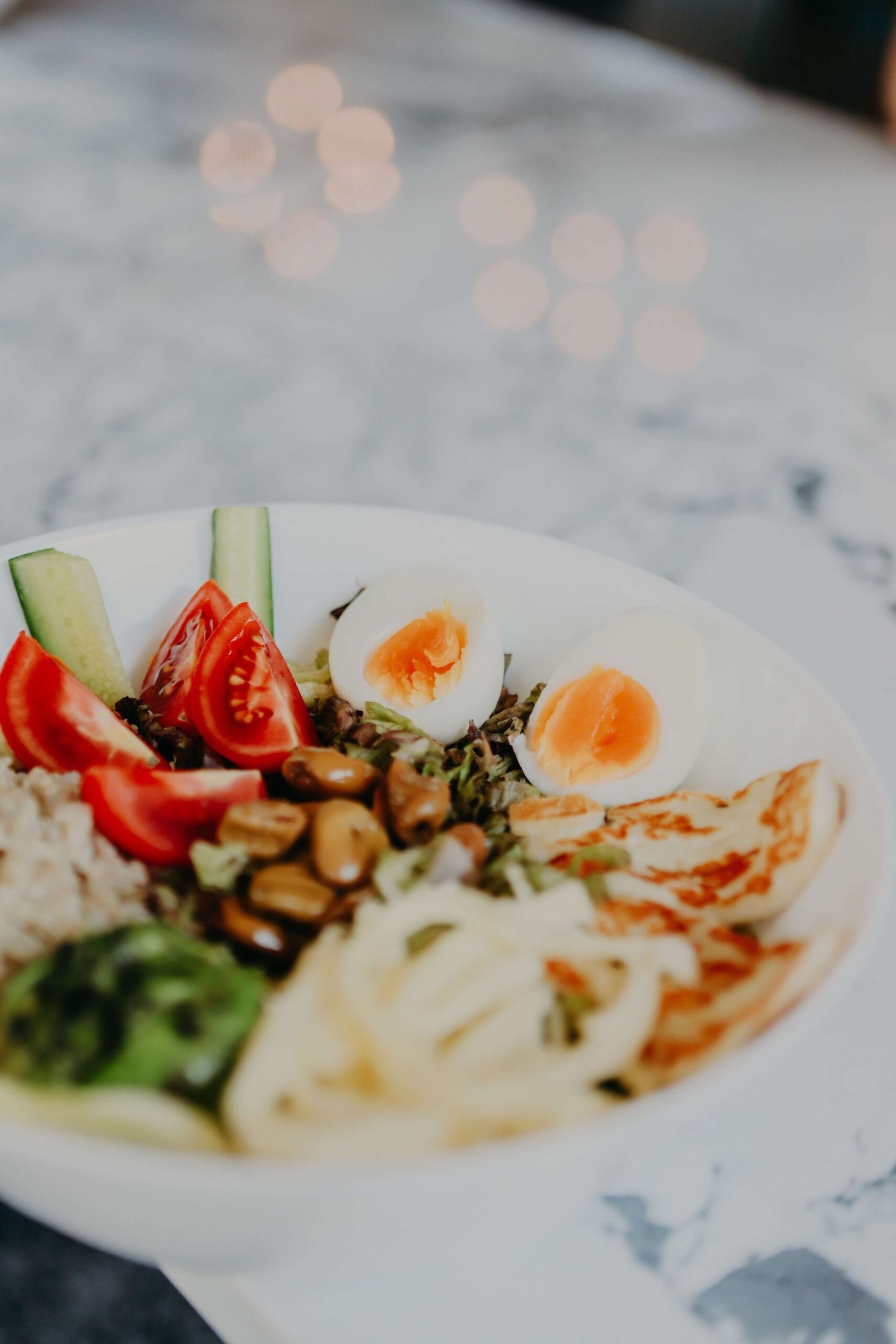
Lunch is often the simplest meal to upgrade if you want to manage your cholesterol. You do not need fancy recipes or pricey ingredients. Foods like beans, lentils, whole grains, vegetables, fish, nuts, and olive oil make a great base for heart-healthy meals.
The best lunches for lowering cholesterol focus on your overall diet quality, not cutting out cholesterol from every food. The American Heart Association’s latest advice highlights vegetables, fruits, whole grains, healthy proteins, and unsaturated fats, while limiting too much saturated fat.
Here are 12 easy lunches you can start with.
What Makes a Lunch Cholesterol-Friendly?
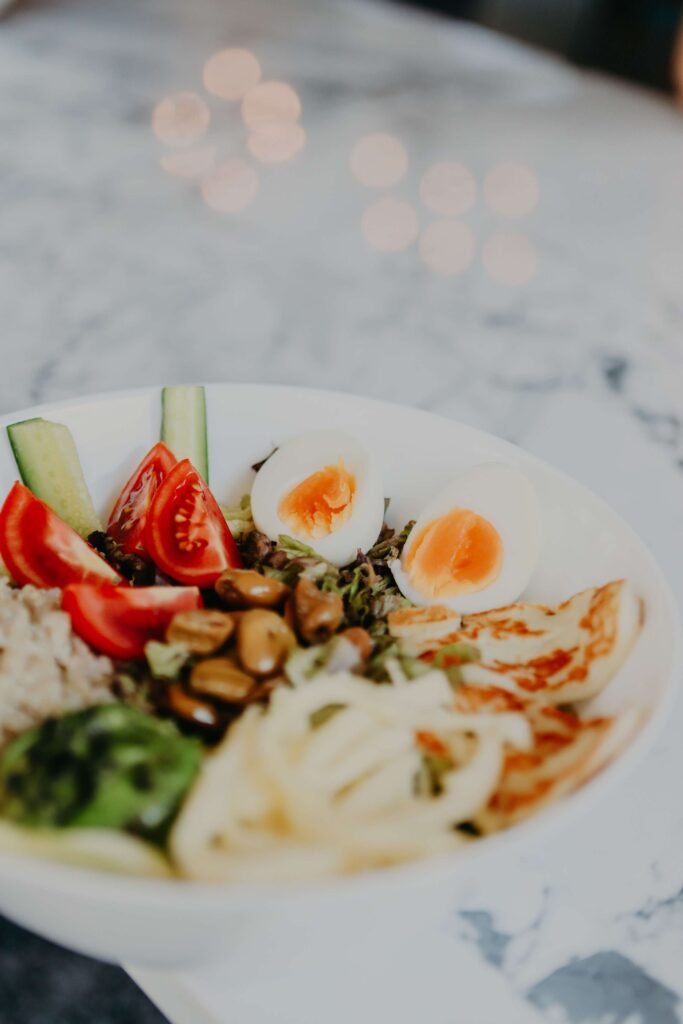
A cholesterol-friendly lunch usually includes fiber-rich carbs, vegetables, a healthy protein, and some unsaturated fat.
Soluble fiber is especially important. Foods like beans, lentils, oats, barley, apples, and pears have soluble fiber that can help lower LDL, or “bad” cholesterol. Mayo Clinic says eating 5 to 10 grams or more of soluble fiber each day can lower LDL cholesterol.
The type of fat you eat matters too. Rather than avoiding all fats, pick foods with unsaturated fats like olive oil, nuts, seeds, avocado, and fish instead of those high in saturated fat. The American Heart Association says too much saturated fat can raise LDL cholesterol.
Why Fiber Matters for Lowering Cholesterol
Fiber is a big reason why many of these lunch ideas help lower cholesterol.
Soluble fiber creates a gel in your digestive system that can reduce how much cholesterol your body absorbs. According to an NHLBI guide, adding 5 to 10 grams of soluble fiber per day can lower LDL cholesterol by about 5%.
You do not have to get all your fiber at lunch. Try to include fiber-rich foods at breakfast, lunch, dinner, and snacks throughout the day.
If you are not used to eating much fiber, increase it slowly. Adding too much at once can cause bloating or stomach discomfort.
12 Lower Cholesterol Lunch Ideas
1. Chickpea and Cucumber Sandwich
Mash chickpeas with hummus, lemon juice, cucumber, herbs, and black pepper. Spread the mixture onto whole-grain bread and add spinach or lettuce.
This lunch is easy to make and good for lowering cholesterol because chickpeas give you plant protein and soluble fiber. Whole-grain bread adds extra fiber too.
2. Lentil and Vegetable Soup
Cook lentils with tomatoes, carrots, celery, spinach, garlic, and your favorite herbs. Serve with a slice of whole-grain bread.
Lentils are low in saturated fat and give you both fiber and protein. You can make a big batch and keep portions in the fridge for easy lunches during the week.
3. Black Bean and Quinoa Bowl
Combine cooked quinoa with black beans, roasted peppers, tomatoes, corn, leafy greens, and avocado. Add lime juice for a simple dressing.
Beans add fiber and plant protein, and avocado gives you mostly unsaturated fat. This meal is also easy to make in advance for several lunches.
4. Mediterranean Chickpea Salad
Mix chickpeas with cucumber, tomatoes, spinach, red onion, herbs, and a small amount of feta. Dress with olive oil and lemon juice.
Mixing legumes, vegetables, and olive oil makes this lunch idea very versatile. The American Heart Association suggests using unsaturated fats instead of saturated fats for a heart-healthy diet.
5. Salmon and Whole-Grain Salad
Place cooked salmon over mixed greens and add barley or another whole grain, tomatoes, cucumber, and vegetables. Finish with an olive oil and lemon dressing.
Salmon is a good source of omega-3 fatty acids. Omega-3s mainly help lower triglycerides, not LDL cholesterol directly.
6. Avocado and White Bean Toast
Mash white beans and avocado together with lemon juice and black pepper. Spread the mixture over whole-grain toast and top with sliced tomato.
Beans give you soluble fiber, and avocado adds unsaturated fat. This combo is filling and does not need butter, processed meat, or heavy creamy spreads.
7. Hummus and Vegetable Wrap
Spread hummus over a whole-grain wrap. Add spinach, cucumber, grated carrots, peppers, tomatoes, and other vegetables you enjoy.
Hummus is made from chickpeas and usually tahini, and the vegetables and whole-grain wrap add more fiber. This lunch is also easy to pack for work.
8. Kale and Chickpea Grain Bowl
Combine chickpeas with kale, brown rice or barley, roasted broccoli, peppers, and carrots. Add a small amount of tahini and lemon juice.
Barley is especially helpful because it has beta-glucan, a kind of soluble fiber. NHLBI lists barley as a source of soluble fiber that can help lower LDL cholesterol.
9. Tuna and White Bean Salad
Mix tuna with white beans, cucumber, tomatoes, parsley, lemon juice, and olive oil.
Adding beans gives this salad more fiber than a regular tuna salad. Using olive oil instead of lots of creamy dressing also adds more unsaturated fat.
10. Black Bean Stuffed Sweet Potato
Bake a sweet potato and fill it with black beans, tomatoes, spinach, salsa, and avocado.
Sweet potatoes and beans make this lunch both filling and high in fiber. You can also meal prep by cooking the potatoes and bean mixture ahead of time.
11. Barley and Roasted Vegetable Bowl
Combine cooked barley with chickpeas, broccoli, carrots, zucchini, and leafy greens. Finish with a lemon-tahini dressing.
Barley stands out in this lunch because it has soluble beta-glucan fiber. Try adding different seasonal vegetables to keep things fresh.
12. Chicken, Avocado, and Tomato Sandwich
You do not have to eat only vegetarian lunches to keep them cholesterol-friendly.
Try lean grilled chicken with avocado, tomato, spinach, and whole-grain bread. Use hummus or mustard instead of butter or heavy creamy sauces.
Current AHA guidance includes lean meats among healthy protein options while encouraging people to emphasize plants, fish, whole grains, legumes, and other minimally processed foods.
Best Foods for Lower Cholesterol Lunches
You do not need exact recipes to make lots of lower cholesterol lunches.
Keep foods like beans, lentils, chickpeas, oats, barley, brown rice, whole-grain bread, vegetables, and fruit on hand. Add unsalted nuts, seeds, avocado, olive oil, or tahini for healthy fats.
For protein, try legumes, tofu, fish, skinless chicken, or other lean options.
The AHA recommends a dietary pattern rich in vegetables, fruits, whole grains, beans, legumes, nuts, healthy protein sources, and unsaturated fats.
Foods to Limit for Better Cholesterol
You do not need a long list of foods to avoid. Instead, pay attention to what you eat most often.
Meals containing large amounts of processed meats, fatty meats, butter, cream-heavy sauces, and other foods high in saturated fat can make cholesterol management more difficult. The AHA explains that eating too much saturated fat can increase LDL cholesterol.
Make simple swaps. Use olive oil instead of butter, beans instead of processed meats sometimes, and hummus or avocado instead of heavy sandwich spreads.
These small changes can help you stick with lower cholesterol lunches over time.
Can Lunch Alone Lower Cholesterol?
A single healthy lunch will not lower your cholesterol on its own.
What you eat overall matters more than any one meal. Exercise, genetics, smoking, weight, health conditions, and medications also affect cholesterol.
Your diet still plays an important role. Mayo Clinic says foods high in soluble fiber and healthy fats, along with other heart-healthy habits, can help improve cholesterol.
If your LDL cholesterol is high, keep following your healthcare provider’s advice. Do not stop taking prescribed cholesterol medicine without talking to your doctor.
How to Meal Prep Lower Cholesterol Lunches
The simplest way to keep up with lower cholesterol lunches during a busy week is to prep a few basic ingredients ahead of time.
Cook a pot of lentils, beans, quinoa, or barley. Roast some vegetables and prepare one or two proteins. Keep washed greens and a simple olive oil dressing in the fridge.
You can use these same ingredients to make a grain bowl one day, a salad the next, and a wrap later in the week.
This way, you save time and do not have to eat the same lunch every day.
Frequently Asked Questions
What should I eat for lunch to lower cholesterol?
Make lunch with vegetables, whole grains, beans or another healthy protein, and unsaturated fats. Chickpea salads, lentil soups, bean bowls, salmon salads, and hummus wraps are all good choices.
Are beans good for lowering cholesterol?
Yes. Beans have soluble fiber, which can help lower LDL cholesterol as part of a heart-healthy diet.
Is avocado good for cholesterol?
Avocado is mostly made up of unsaturated fat. It fits well in a heart-healthy diet, especially when you use it instead of foods high in saturated fat.
Is tuna good for a cholesterol-friendly lunch?
Tuna is a convenient source of protein. Try it with beans, vegetables, and whole grains, and use olive oil or another light dressing instead of heavy creamy sauces.
What are easy lower cholesterol lunch ideas for work?
Try chickpea sandwiches, hummus wraps, lentil soup, quinoa and black bean bowls, tuna and white bean salad, or Mediterranean chickpea salad. Most of these can be made ahead and are easy to take to work.
Can I eat oats for lunch?
Absolutely. Oats are not just for breakfast. Savory oatmeal with vegetables and beans can be a unique and healthy lunch. Oats have beta-glucan soluble fiber, which helps lower cholesterol.
Final Thoughts
You do not need special diet foods for the best lower cholesterol lunches. Just use a simple formula: fiber-rich whole grains or legumes, lots of vegetables, a healthy protein, and a little unsaturated fat.
Beans, lentils, chickpeas, barley, vegetables, salmon, olive oil, nuts, and avocado offer lots of options. Rather than looking for a single “superfood,” try to eat these foods regularly as part of a heart-healthy routine.
Helpful Video Resource
Here’s a helpful video:
References
- American Heart Association — 2026 Dietary Guidance to Improve Cardiovascular Health. Current guidance emphasizes vegetables, fruits, whole grains, healthy protein sources, minimally processed foods, and replacing saturated fats with unsaturated fats.
Read the AHA 2026 Dietary Guidance - Mayo Clinic — Cholesterol: Top Foods to Improve Your Numbers. Explains the roles of soluble fiber, oats, beans, nuts, fish, and other foods in cholesterol management.
Read Mayo Clinic’s Cholesterol Food Guide - National Heart, Lung, and Blood Institute — Your Guide to Lowering Your Cholesterol With TLC. Provides detailed information about soluble fiber, saturated fat, and dietary approaches for lowering LDL cholesterol.
Read the NHLBI Cholesterol Guide - American Heart Association — Saturated Fats. Explains how excess saturated fat can raise LDL cholesterol and why replacing it with unsaturated fats is recommended.
Read the AHA Saturated Fat Guide - American Heart Association — Prevention and Treatment of High Cholesterol. Provides practical guidance about diet, physical activity, and other lifestyle measures used alongside appropriate medical treatment.
Read the AHA High Cholesterol Guide

Hi, I’m Brittany Larsen, a passionate blogger and content creator dedicated to writing meaningful and engaging articles. I specialize in topics like mental health, wellness, and personal development, aiming to inspire and empower my readers through relatable stories and practical advice.