Now Reading: 10 Lymphedema Exercises for Arms for Gentle Movement
-
01
10 Lymphedema Exercises for Arms for Gentle Movement
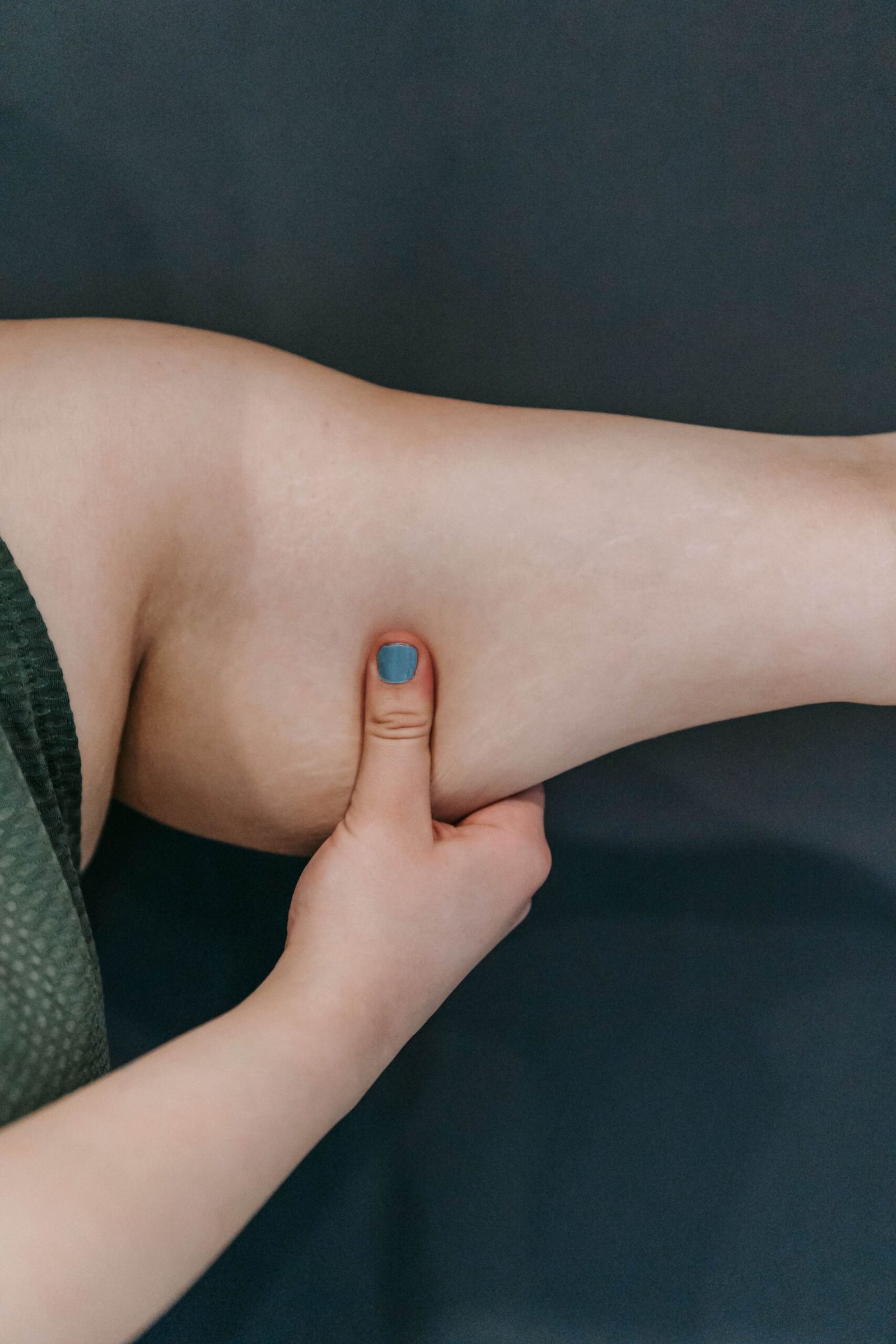
Arm lymphedema can make everyday activities feel harder. Your arm or hand may feel swollen, heavy, tight, or uncomfortable, and you may notice changes in how easily you can move your shoulder, elbow, wrist, or fingers.
Gentle exercises for arm lymphedema can help you move more easily and are often included in a larger management plan. Studies show that, when done carefully, exercise is usually safe for people with breast-cancer-related lymphedema. Still, exercise is not a cure, so your routine should fit your health, symptoms, and treatment plan.
What Is Arm Lymphedema?
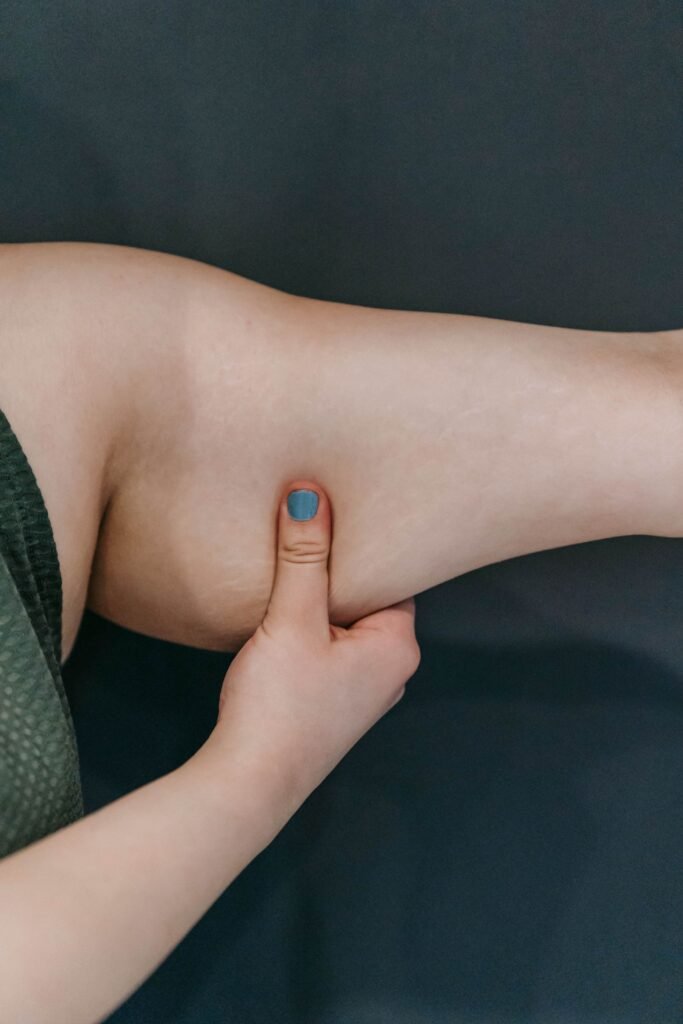
Lymphedema happens when lymph fluid collects in tissues because the lymphatic system cannot move it as it should. In the arm, this can cause swelling in the hand, wrist, forearm, upper arm, or even in several places at the same time.
Arm lymphedema can occur after breast cancer treatment, particularly when lymph nodes have been removed or treated with radiation. Other damage or abnormalities affecting the lymphatic system can also cause lymphedema.
Common symptoms include swelling, tightness, heaviness, aching, reduced flexibility, and changes in how clothing or jewelry fits.
Can Exercise Help Arm Lymphedema?
When you move, your muscles contract and relax. This helps move fluid through your body and also keeps your strength, flexibility, and physical abilities up.
Importantly, people with lymphedema do not necessarily need to avoid exercise. A recent systematic review and meta-analysis included 30 studies of resistance training in people with breast-cancer-related arm lymphedema. The researchers found improvements in muscle strength and a small reduction in lymphedema measures overall. (PubMed)
Another 2024 meta-analysis involving 15 studies and 863 patients found stable arm volume with exercise and improvements in quality of life among participants whose programs closely followed exercise recommendations. (PubMed)
These results suggest it is better to do gentle, suitable exercise than to avoid using your arm completely.
Before Starting Lymphedema Exercises for Arms
Before starting new arm exercises for lymphedema, check with your doctor, physiotherapist, or a certified lymphedema therapist, especially if you already have lymphedema, have had recent surgery, or are getting cancer treatment.
Begin slowly and pay attention to how your arm feels. Avoid jumping from very little activity to hard upper-body workouts all at once.
If you already use a prescribed compression sleeve, ask your lymphedema professional whether you should wear it during exercise. Research into exercise combined with compression has not shown that the same approach is necessary for everyone. (PubMed)
10 Gentle Lymphedema Exercises for Arms
The exercises below are simple examples of gentle arm movements. Your therapist might suggest different numbers of repetitions, ranges of motion, or other exercises based on your needs.
1. Deep Breathing
Sit comfortably and relax your shoulders. Place one hand on your abdomen and slowly breathe in through your nose, allowing your abdomen to expand.
Breathe out gently and relax.
Try about five slow breaths before beginning the other lymphedema exercises for arms.
2. Neck Rotations
Sit or stand upright with your shoulders relaxed.
Slowly turn your head toward one shoulder. Return to the center before turning toward the other side.
Try five comfortable repetitions on each side. Never force your neck into a painful position.
3. Shoulder Rolls
Gently lift your shoulders toward your ears. Slowly roll them backward and down.
Repeat five to ten times. You can then change direction if it feels comfortable.
Shoulder rolls are a gentle way to move your shoulders and do not need any weights or special equipment.
4. Shoulder Blade Squeezes
Sit or stand with good posture.
Without lifting your shoulders, gently draw your shoulder blades toward each other. Hold briefly before relaxing.
Try five to ten slow repetitions.
Make sure the movement stays gentle and do not squeeze as hard as you can.
5. Shoulder Flexion
Begin with your arm relaxed by your side.
Slowly lift your arm forward and upward as far as you can comfortably move it. Then lower it gradually.
Try five to ten repetitions, but do not force a painful or restricted shoulder.
This is especially important after breast surgery, since everyone’s range of motion can be different.
6. Elbow Bends
Keep your upper arm relaxed near your body.
Slowly bend your elbow so your hand moves toward your shoulder. Straighten your elbow again in a controlled motion.
Repeat about ten times if comfortable.
You can do these simple arm exercises for lymphedema while sitting or standing.
7. Wrist Circles
Hold your forearm comfortably and relax your fingers.
Slowly make small circles with your wrist. Change direction after five to ten circles.
Do not move too quickly or with too much force.
8. Wrist Flexion and Extension
Gently bend your wrist so your hand moves upward. Then slowly move it downward within your comfortable range.
Repeat five to ten times.
If you feel pain instead of a gentle stretch, stop the movement.
9. Open and Close Your Hand
Spread your fingers comfortably and then slowly close your hand.
Do not squeeze your fist as hard as you can. Keep the movement gentle.
Repeat around ten times.
This is one of the easiest arm exercises for lymphedema and can be done at a desk or while sitting.
10. Gentle Ball Squeeze
Hold a soft foam or therapy ball in your hand.
Gently squeeze it, relax completely, and repeat five to ten times if this exercise is appropriate for you.
You do not need to squeeze hard. The goal is to move your muscles in a controlled way, not to use maximum strength.
A Simple Arm Lymphedema Exercise Routine
You can do these movements in order, like a sequence:
Deep breathing → neck and shoulders → shoulder blades → arms and elbows → wrists → hands → relaxed breathing
Move slowly and only as far as feels comfortable for you.
There is no single number of times that works for everyone. How often you should do arm exercises for lymphedema depends on your symptoms, treatment history, physical ability, and what your therapist suggests.
Can You Lift Weights With Arm Lymphedema?
If you have arm lymphedema, it does not mean you can never use weights again.
A 2025 systematic review and meta-analysis of 30 studies concluded that resistance training can improve upper- and lower-body strength without evidence that appropriately performed training systematically worsens breast-cancer-related lymphedema. (PubMed)
A newer evidence review likewise found progressive resistance training to be one of the most studied forms of exercise for people with or at risk of breast-cancer-related lymphedema. The researchers emphasized monitoring exertion, exercise tolerance, and clinical symptoms while workloads increase. (PubMed)
The key is to progress slowly. Begin with a weight that feels right for you and use good technique, instead of jumping into heavy lifting.
Should You Wear a Compression Sleeve During Exercise?
There is not one rule that fits everyone.
If a healthcare professional has prescribed a compression garment, follow their recommendations about when to wear it. Your sleeve should fit correctly and should not roll, bunch, or create uncomfortable pressure.
A systematic review examining upper-body exercise combined with compression identified 11 controlled studies, but only two reported statistically significant benefits from the combined intervention for arm lymphedema volume. (PubMed)
This is another reason why compression should be tailored to each person, not used as a rule for everyone during exercise.
Other Activities for People With Lymphedema
You do not need to limit your activity to just arm exercises for lymphedema.
Depending on your health and abilities, walking, swimming, gentle yoga, cycling, stretching, aerobic exercise, and progressive resistance training may all form part of an active lifestyle.
Research reviews have found that slowly progressive exercise can generally be performed safely by breast cancer survivors with appropriate precautions. (PubMed)
Pick activities you like and make them a little harder over time.
When Should You Stop Exercising?
Notice how your body feels during and after exercise.
If you notice new or quickly worsening swelling, strong pain, unusual heaviness, or trouble moving, stop exercising and talk to a healthcare professional.
Also, watch for signs of infection. Redness, warmth, more tenderness, fast swelling, fever, or feeling unwell can mean cellulitis. If you notice these, get medical help right away instead of continuing your exercises.
Work With a Lymphedema Therapist
A trained lymphedema specialist can check your swelling, measure your arm, see how well you can move, suggest the right exercises, and help with compression sleeves if needed.
Exercise can also be part of a bigger lymphedema treatment plan, along with compression, skin care, learning about your condition, and other therapies.
It is especially helpful to work with a professional if your symptoms change or if you want to move from gentle arm exercises to using resistance training.

Frequently Asked Questions
What Are the Best Exercises for Lymphedema in the Arm?
Gentle breathing, shoulder rolls, shoulder movements, elbow bends, wrist exercises, and hand movements can all be part of a lymphedema exercise routine made just for you.
How Do You Reduce Lymphedema in the Arm?
Managing lymphedema may include exercise, compression therapy, skin care, and special treatments. Arm exercises can help as part of your treatment plan, but exercise by itself does not cure lymphedema.
How Often Should You Do Lymphedema Exercises for Arms?
There is not one schedule that works for everyone. Your doctor or lymphedema therapist can suggest how often you should do the exercises based on your symptoms, treatment, and abilities.
Can Exercise Make Lymphedema Worse?
Research shows that slowly increasing exercise is usually safe for people with breast-cancer-related lymphedema. Quickly making your workouts harder is not the same as building up gradually.
Can You Lift Weights With Arm Lymphedema?
For many people, resistance exercise can be safe if it is supervised and increased slowly. Current research does not say that everyone with breast-cancer-related lymphedema should avoid resistance training.
Does Exercise Cure Lymphedema?
No. Exercise helps you move, stay strong, and keep up your physical abilities. It can help manage lymphedema, but it does not fix the underlying problem.
Final Thoughts
Gentle arm exercises for lymphedema can help you stay active and keep moving, so you do not have to treat your arm as something that always needs to be protected from activity.
Begin gently, move in a way that feels good, watch your symptoms, and slowly do more over time. If you already have lymphedema or have had cancer treatment recently, work with your healthcare team to plan or change your routine.
The best arm exercises for lymphedema are not always the hardest. The right ones are those that fit safely and regularly into your own management plan.
Helpful YouTube Resource
Here’s a helpful video:
References
1. Effects of Resistance Training on Breast Cancer-Related Arm Lymphedema: A Systematic Review and Dose-Response Meta-Analysis.
This systematic review included 30 studies and evaluated the effects of resistance training on lymphedema and muscle strength.
View on PubMed
2. Physical Exercise and Breast Cancer-Related Lymphedema: An Umbrella Review, Systematic Review and Meta-Analysis.
This review supports progressive exercise, particularly resistance training, while emphasizing symptom monitoring and gradual progression.
View on PubMed
3. The Effects of ACSM-Based Exercise on Breast Cancer-Related Lymphoedema.
The 2024 systematic review and meta-analysis included 15 studies and 863 patients and examined quality of life, range of motion, and arm volume.
View on PubMed
4. Benefits of Combined Upper Body Exercise and Compression Therapy for Breast Cancer-Related Lymphedema.
This systematic review evaluated 11 controlled studies investigating upper-body exercise with compression therapy.
View on PubMed
5. Exercise in Patients With Lymphedema: A Systematic Review of the Contemporary Literature.
The review found that slowly progressive exercise was not associated with developing or worsening breast-cancer-related lymphedema when appropriate precautions and supervision were used.
View on PubMed

Hi, I’m Brittany Larsen, a passionate blogger and content creator dedicated to writing meaningful and engaging articles. I specialize in topics like mental health, wellness, and personal development, aiming to inspire and empower my readers through relatable stories and practical advice.