Now Reading: Full Body Workout Three Days a Week: Complete 3-Day Plan
-
01
Full Body Workout Three Days a Week: Complete 3-Day Plan
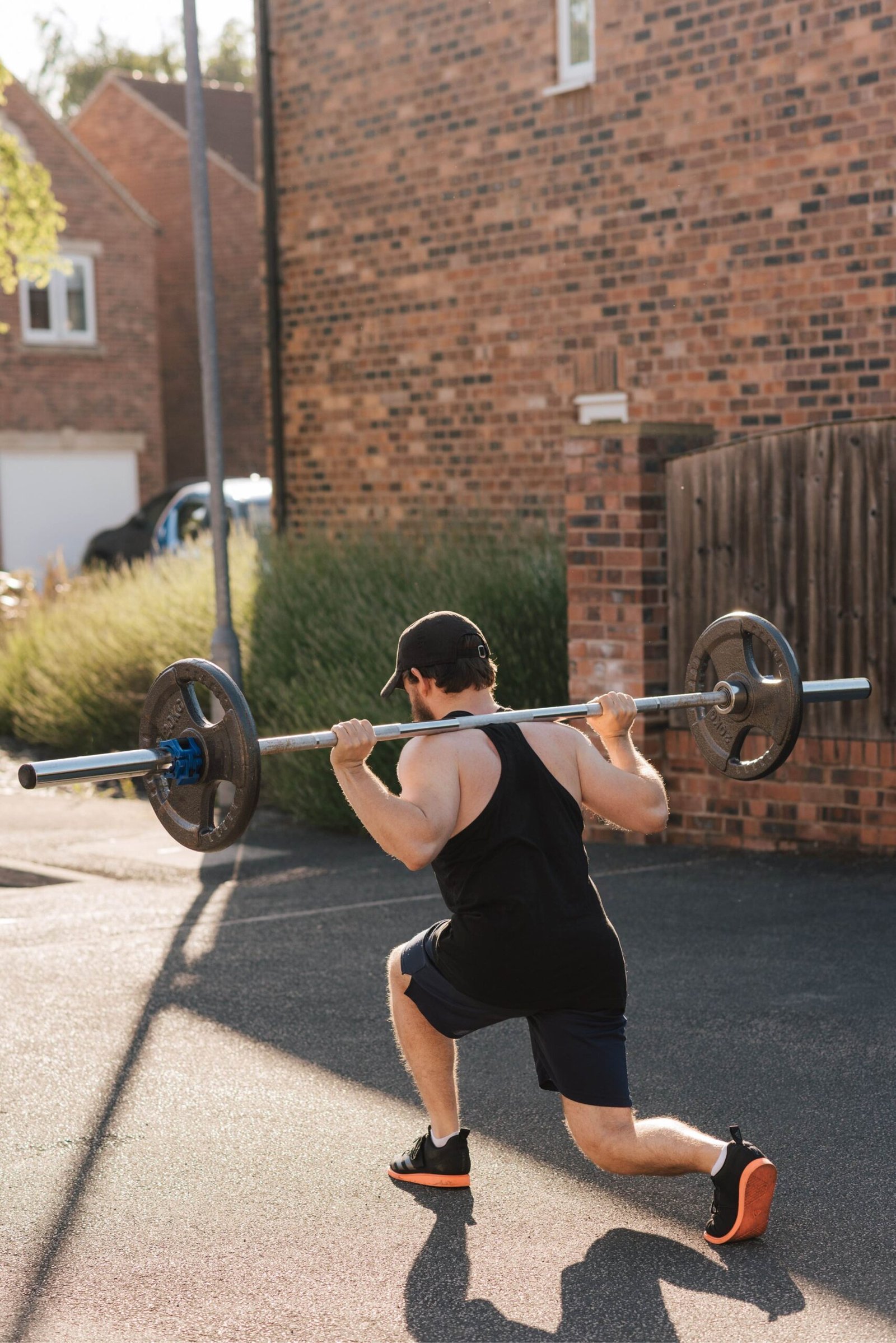
You do not have to spend hours in the gym to get stronger or build muscle. Training your whole body three days a week is enough to work all the major muscle groups and still gives you plenty of time to recover.
This routine is great for beginners and people with busy schedules. For example, you could train on Monday, Wednesday, and Friday, then use the other days for walking, light cardio, stretching, or just resting.
The most important things are picking good exercises, using proper form, and slowly making your workouts harder over time.
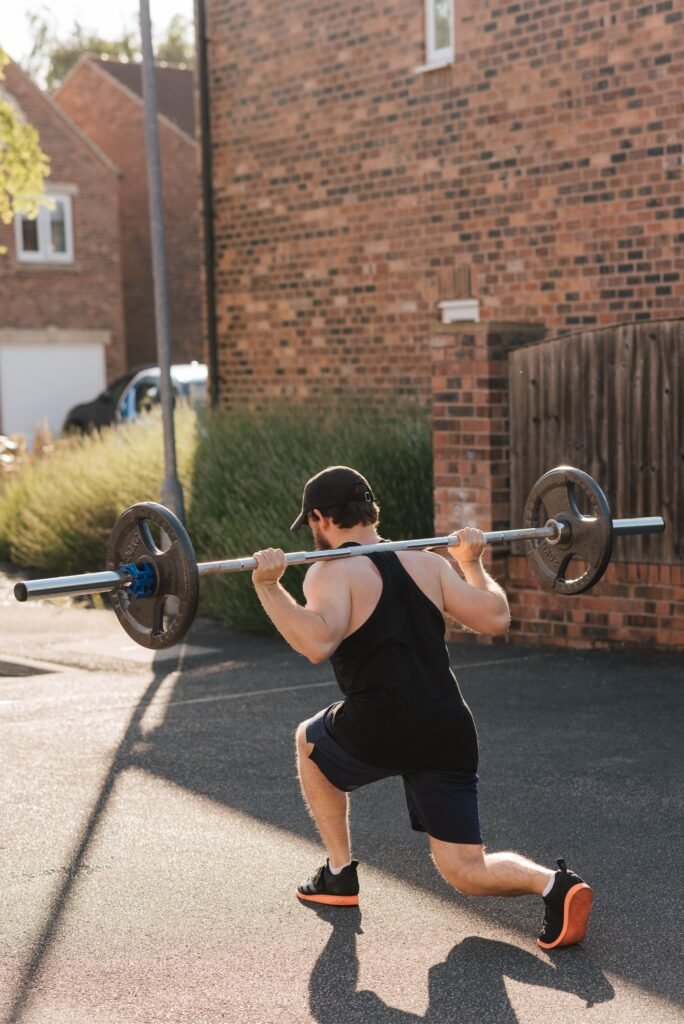
Is a Full Body Workout Three Days a Week Enough?
Yes. A full body workout three days a week can provide enough resistance training to improve strength and support muscle growth when the workouts are properly structured.
Current CDC recommendations state that adults should perform muscle-strengthening activities that work all major muscle groups on at least two days each week. The CDC also recommends at least 150 minutes of moderate-intensity aerobic activity per week for general health.
So, doing three strength workouts each week is a practical plan. It gives you more than the minimum amount of training and still lets you recover between sessions.
Your progress also depends on how hard you train, what you eat, how well you sleep, making your workouts harder over time, and sticking with your routine.
What Is a Full Body Workout?
A full-body workout means you work most of your major muscle groups in one session, instead of having separate days for chest, back, or legs.
A balanced routine normally includes:
- A squat or lunge
- A hip-hinge movement
- An upper-body push
- An upper-body pull
- A core or loaded-carry exercise
With this setup, a three-day full body workout covers your legs, glutes, chest, back, shoulders, arms, and core, all without needing a long list of exercises.
Full Body Workout Three Days a Week Plan
Here’s an example of a simple weekly schedule:
Monday — Workout A
Wednesday — Workout B
Friday — Workout C
You can use Tuesday, Thursday, Saturday, and Sunday for rest or other activities you enjoy.
Day 1: Squat Emphasis
| Exercise | Sets × Reps |
| Back Squat or Goblet Squat | 3 × 6–10 |
| Dumbbell Bench Press | 3 × 8–12 |
| Lat Pulldown | 3 × 8–12 |
| Romanian Deadlift | 2 × 8–12 |
| Plank | 2–3 × 30–60 sec |
On the first day, you’ll focus more on squats, but you’ll also work your chest, back, hamstrings, and core.
If you’re new to strength training, starting with a goblet squat is often easier to learn than jumping straight to a barbell back squat.
Day 2: Hinge Emphasis
| Exercise | Sets × Reps |
| Romanian Deadlift | 3 × 6–10 |
| Overhead Press | 3 × 8–12 |
| Seated Cable Row | 3 × 8–12 |
| Split Squat | 2 × 8–12 each leg |
| Farmer’s Carry | 2–3 rounds |
This workout focuses more on your hamstrings and glutes by using hip-hinge movements.
The overhead press and row help balance pushing and pulling exercises for your upper body.
Day 3: Push and Pull Emphasis
| Exercise | Sets × Reps |
| Leg Press or Goblet Squat | 3 × 8–12 |
| Bench Press | 3 × 6–10 |
| Pull-Up or Lat Pulldown | 3 × 8–12 |
| Hip Thrust | 2 × 8–12 |
| Dead Bug or Plank | 2–3 sets |
On the third day, you’ll work your lower body again and put extra focus on push and pull exercises.
You don’t have to push every set to the point where you can’t do another rep. If you’re a beginner, focus on moving with control and using good form.
Why Does a 3-Day Full Body Routine Work?
Working out three times a week helps you practice key movements often, but you don’t have to do strength training every day.
This schedule also gives you plenty of time to recover between workouts.
Research supports flexibility in how weekly training is organized. A 2024 systematic review and meta-analysis examined 14 studies involving 392 participants and found similar strength and muscle-growth results between full-body and split routines when training volume was matched.
So, doing a full body workout three days a week can be just as effective as splitting your workouts by body part.
How Many Sets and Reps Should You Do?
The CDC suggests 8–12 repetitions as a useful range for muscle-strengthening activities and notes that two or three sets can provide additional benefits beyond a single set.
For this plan, here’s a simple way to set up your sets and reps:
Main compound exercises: 2–3 sets of 6–12 repetitions
Smaller exercises: 2–3 sets of 8–15 repetitions
Core exercises: 2–3 sets
Pick a weight that feels tough on your last few reps, but still lets you keep good form.
If you’re just starting out, it’s smart to finish your sets feeling like you could do two or three more good reps. This helps you avoid pushing to failure every time.
How Long Should You Rest Between Sets?
Rest as long as you need to be able to do your next set with good form.
For demanding exercises such as squats, Romanian deadlifts, presses, and rows, around 2–3 minutes can be a useful starting point. Smaller or less demanding exercises may only require around 1–2 minutes.
Don’t cut your rest short just to make your workout feel tougher. Strength training should work your muscles, not turn into cardio—unless that’s what you want.
How to Progress Your 3-Day Workout
As your body gets used to training, you’ll need to make your workouts a bit harder over time.
Suppose an exercise has a target range of 8–12 repetitions:
Week 1: 20 kg × 8 reps
Week 2: 20 kg × 10 reps
Week 3: 20 kg × 12 reps
When you can do the highest number of reps with good form, add a little more weight and start back at the lower end of the rep range.
This is a simple form of progressive overload.
You can also make progress by improving your form, doing more reps, or slowly adding more sets or exercises.
Can You Build Muscle Training Three Days a Week?
Yes. A full-body workout three days a week can support muscle growth when you provide enough resistance-training stimulus and progressively challenge your muscles.
Mayo Clinic notes that strength training can increase or preserve muscle mass and strength and recommends training all major muscle groups at least twice each week.
What you eat matters too. Eating foods high in protein gives your body the building blocks it needs to repair and grow muscle.
You also need enough sleep and time to recover. Doing more workouts won’t help if your body doesn’t have time to rest and rebuild.
Can This Routine Help With Weight Loss?
Strength training can help with weight management, but it won’t cause weight loss on its own.
The CDC explains that physical activity increases calorie expenditure, while weight loss requires an overall calorie deficit. Regular physical activity is also particularly important for maintaining weight loss.
You can add walking, cycling, swimming, or other cardio to your three-day workout plan, depending on your goals.
What Should You Do on Rest Days?
Rest days don’t have to mean staying on the couch all day.
You can try:
- Walking
- Light cycling
- Easy swimming
- Mobility exercises
- Gentle stretching
- Recreational activities
The CDC says that doing some physical activity is better than none, and encourages adults to stay active throughout the week.
If your muscles are extra sore or you notice your performance dropping, taking a full rest day can help you recover better.
Common 3-Day Full Body Workout Mistakes
A common mistake is trying to do too many exercises in one session. Five or six good movements are usually enough for a solid workout.
Other mistakes are lifting too much weight too soon, pushing every set to failure, using bad form, skipping rest days, or changing your routine before you’ve had a chance to improve.
You’ll get the best results from a three-day full body workout if you stick with the main exercises long enough to see your progress.
How Long Should Each Workout Take?
Most three-day workouts take about 45 to 75 minutes, but there’s no set time you have to follow.
How long your workout takes depends on how many exercises and sets you do, how long you rest, what equipment you have, and your experience.
A focused 50-minute workout with good form and steady progress is often better than spending two hours at the gym without a plan.

Frequently Asked Questions
Is a Full Body Workout Three Days a Week Enough to Build Muscle?
Yes. Three appropriately structured sessions can support muscle growth when you train consistently, progressively challenge your muscles, eat adequately, and recover properly.
Is Monday, Wednesday, and Friday a Good Schedule?
Yes. It provides a recovery day between sessions. Tuesday, Thursday, and Saturday can work equally well.
Can Beginners Train Full Body Three Days a Week?
Yes. A full-body workout three days a week can be particularly useful for beginners because they practice important exercises several times each week.
Should I Do the Same Exercises Every Workout?
You can repeat some exercises while using small variations across sessions. Keeping several core exercises consistent makes progress easier to track.
Can I Do Cardio on Rest Days?
Yes. Moderate cardio can fit between strength sessions if it does not interfere with recovery.
Can I Do Full Body Workouts Every Day?
Most beginners do not need hard full-body resistance workouts every day. Recovery is part of the training process.
Final Thoughts
Training your whole body three days a week is a simple way to balance working out and recovering. You’ll hit all the major muscle groups without having to be at the gym all the time.
Stick to basic exercises, use weights you can handle, keep good form, make steady progress, eat well, and get enough rest.
The best three-day full body workout isn’t the most complicated one. It’s the routine you can stick with and getstronger over time.
Helpful YouTube Resource
Here’s a video describing why 3 days a week full body workouts is best:
References
1. Centers for Disease Control and Prevention — Adult Activity: An Overview
Adults are advised to get at least 150 minutes of moderate-intensity activity weekly and perform muscle-strengthening activity on at least two days.
CDC Adult Physical Activity Guidelines
2. Ramos-Campo DJ, et al. — Split Versus Full-Body Resistance Training
This 2024 systematic review and meta-analysis included 14 studies and found similar strength and muscle-growth results when training volume was matched.
View the study on PubMed
3. CDC — What Counts as Physical Activity for Adults
The CDC provides practical recommendations for repetitions, sets, and training all major muscle groups.
CDC Muscle-Strengthening Guidance
4. Mayo Clinic — Strength Training: Get Stronger, Leaner, Healthier
Mayo Clinic explains the benefits of resistance training and recommends working all major muscle groups at least twice weekly.
Mayo Clinic Strength Training Guide
5. CDC — Physical Activity and Your Weight and Health
The CDC explains how physical activity, calorie expenditure, and dietary intake relate to weight management.
CDC Weight and Physical Activity Guide

Hi, I’m Brittany Larsen, a passionate blogger and content creator dedicated to writing meaningful and engaging articles. I specialize in topics like mental health, wellness, and personal development, aiming to inspire and empower my readers through relatable stories and practical advice.