Now Reading: 12 Essential Elderly Bathroom Aids for Safer Daily Living
-
01
12 Essential Elderly Bathroom Aids for Safer Daily Living
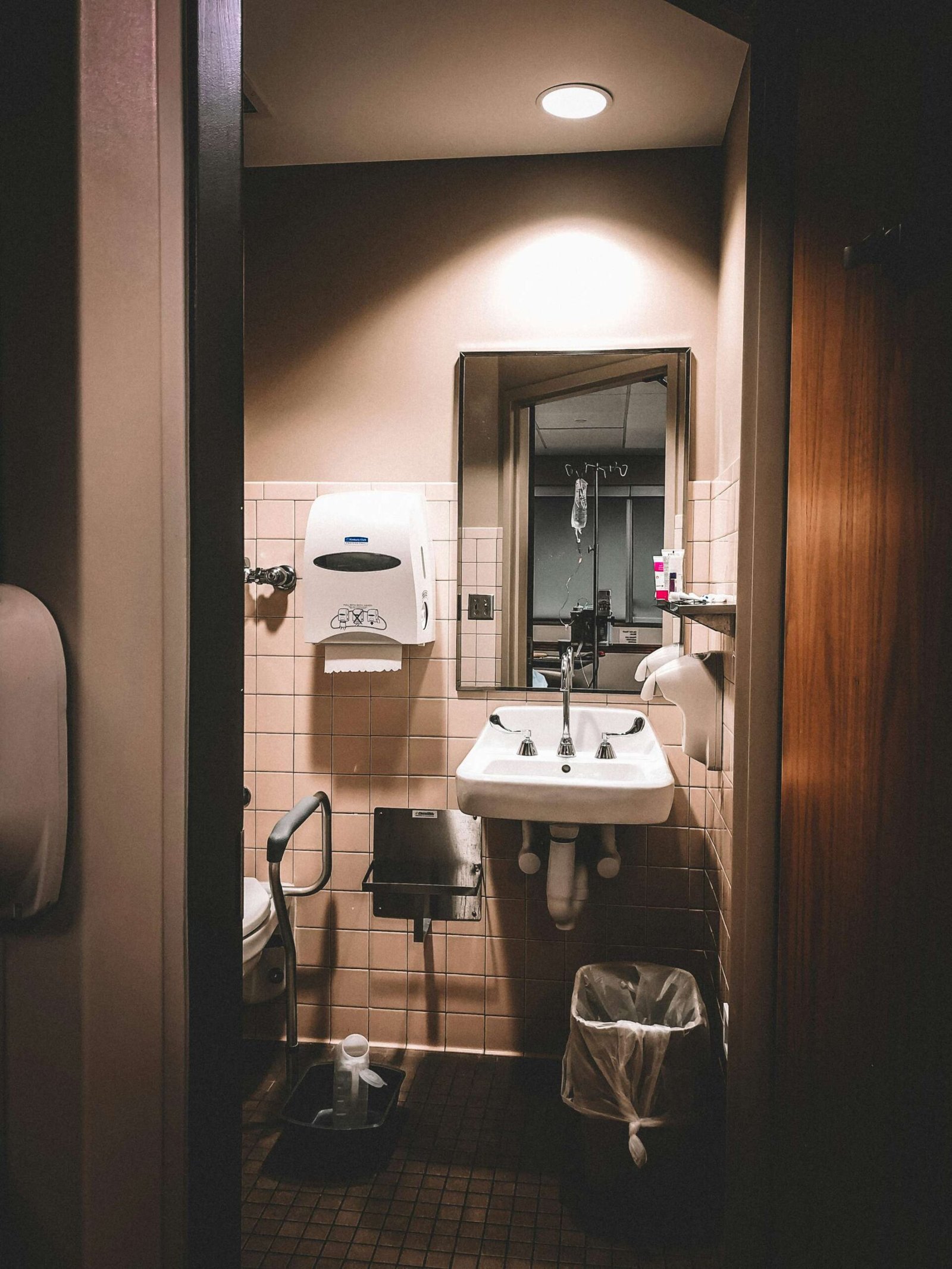
Bathrooms are a frequent spot for falls and injuries among older adults. Wet floors, slippery tubs, and low toilet seats can make daily routines challenging. The right bathroom aids can help. These products boost safety, build confidence, and help seniors stay independent.
The Centers for Disease Control and Prevention (CDC) reports that about 3 million older adults visit emergency rooms each year because of falls, and over 800,000 are hospitalized, often for hip fractures or head injuries. Many of these accidents happen in the bathroom. The right bathroom aids can help lower these risks.
Why Elderly Bathroom Aids Are So Important
As we get older, balance, muscle strength, and flexibility often decrease. Conditions like arthritis, osteoporosis, Parkinson’s disease, or recovering from surgery can make it harder to stand, sit, or get into a bathtub.
Bathroom aids offer extra support during daily routines. They help prevent slips, ease joint strain, and make personal care simpler. These products also give family caregivers peace of mind by making the home safer.
The World Health Organization (WHO) says falls are a leading cause of injury for older adults worldwide. This makes bathroom safety an important part of healthy aging.
How to Choose the Right Elderly Bathroom Aids
Consider Mobility Level
Every senior has different needs. Someone who uses a cane might only need grab bars, while a person in a wheelchair could benefit from transfer benches and shower chairs. Pick bathroom aids that fit the person’s mobility level.
Look at Bathroom Space
Small bathrooms might not have room for large equipment. Compact aids like foldable shower chairs or wall-mounted grab bars are good choices for tight spaces.
Think About Installation
Some bathroom aids need professional installation, but others are portable. If you rent your home, removable products might be a better choice.
Check Weight Capacity
Always check the weight limit before buying bathroom aids. Choosing sturdy materials and installing them correctly helps keep things safe over time.
12 Best Elderly Bathroom Aids for Everyday Safety
1. Grab Bars
Grab bars are some of the most important bathroom aids. They give steady support when getting in and out of the shower or standing up from the toilet. Place them near toilets, bathtubs, and shower entrances for the best safety.
2. Raised Toilet Seats
Low toilet seats put extra strain on the knees and hips. Raised toilet seats make it easier to sit and stand by increasing the seat height. These aids are especially helpful after hip or knee replacement surgery.
3. Toilet Safety Rails
Toilet safety rails give strong handholds on both sides of the toilet. They help with balance and lower the risk of falls. Many adjustable models fit standard toilets without big changes.
4. Shower Chairs
Standing in the shower can get tiring or feel unsafe. Shower chairs let seniors sit comfortably while bathing. These aids help reduce fatigue and lower the risk of slipping on wet floors.
5. Transfer Benches
Transfer benches make it much safer to get in and out of the bathtub. Instead of stepping over a high tub wall, you can sit and slide across the bench. These aids are great for people recovering from surgery or with balance issues.
6. Bathtub Grab Rails
Bathtub grab rails attach to the edge of the tub and give extra support when getting in and out. Unlike wall-mounted bars, these aids often don’t need any drilling into the walls.
7. Handheld Showerheads
Handheld showerheads make bathing easier by letting you direct water where it’s needed. Seniors can stay seated while showering, and caregivers can help more easily. This simple change adds both convenience and safety.
8. Non-Slip Bath Mats
Slippery floors are a big hazard in bathrooms. Non-slip bath mats help prevent falls by improving traction. Look for mats with strong suction cups and quick-drain designs for the best results.
9. Bedside Commodes
Bedside commodes make it easier to use the toilet at night or when walking to the bathroom is hard. These aids are helpful after surgery or during times of limited mobility.
10. Bath Lifts
Bath lifts use a powered seat to gently lower and raise a person in and out of the bathtub. Seniors who like soaking in the bath but have trouble moving often find these aids very helpful.
11. Floor-to-Ceiling Transfer Poles
Transfer poles go from the floor to the ceiling and give steady support for standing or moving between positions. They are a good option when wall-mounted grab bars are not possible.
12. Long-Handled Bathing Tools
Long-handled sponges, foot scrubbers, and lotion applicators help reduce bending or stretching. These aids let seniors take care of personal hygiene on their own and ease strain on sore joints.
Common Bathroom Hazards That Elderly Bathroom Aids Can Prevent
Bathrooms have many hidden hazards that raise the risk of injury. Wet floors, poor lighting, loose rugs, and high bathtub edges can all lead to dangerous falls.
Adding bathroom aids like grab bars, shower chairs, transfer benches, and non-slip mats makes the bathroom safer. Even small changes can lower the chance of accidents and help seniors stay independent.
Additional Tips to Improve Bathroom Safety
Bathroom aids work best when you also make other simple safety changes.
- Install brighter LED lighting.
- Remove loose rugs.
- Keep towels and toiletries within easy reach.
- Use non-slip footwear indoors.
- Regularly inspect grab bars for stability.
- Keep the floor dry after showers.
- Improve ventilation to reduce moisture buildup.
These practical changes make bathroom aids even more effective and help create a safer daily routine.
Frequently Asked Questions
What are the most important bathroom aids for the elderly?
The most helpful bathroom aids are grab bars, shower chairs, raised toilet seats, toilet safety rails, and non-slip bath mats. These products help prevent the most common bathroom falls.
Do elderly bathroom aids require professional installation?
Some bathroom aids, like wall-mounted grab bars, should be installed by a professional for safety. Others, such as shower chairs and raised toilet seats, are portable and easy to set up.
Which elderly bathroom aid most effectively prevents falls?
Grab bars are often seen as the best bathroom aids for preventing falls. Using them along with shower chairs and non-slip mats gives the most protection.
Are elderly bathroom aids covered by insurance?
Coverage depends on your country and insurance provider. Some medically necessary bathroom aids may be reimbursed with a doctor’s prescription. Ask your healthcare provider or insurance company for details.
Final Thoughts
Picking the right bathroom aids is an easy way to make a home safer for older adults. Whether you start with grab bars, a shower chair, or a raised toilet seat, each change lowers fall risk and helps seniors stay independent.
You don’t have to renovate the whole bathroom at once. Small, smart upgrades with good-quality bathroom aids can make daily routines safer, more comfortable, and less stressful for seniors and caregivers.
Recommended YouTube Resource
Here’s a helpful video:
References
- Centers for Disease Control and Prevention (CDC). Older Adult Fall Prevention. https://www.cdc.gov/falls/
- World Health Organization (WHO). Falls Fact Sheet. https://www.who.int/news-room/fact-sheets/detail/falls
- National Institute on Aging. Prevent Falls and Fractures. https://www.nia.nih.gov/health/falls-and-falls-prevention
- AARP. Home Safety Tips for Older Adults. https://www.aarp.org/home-family/home-living/

Hi, I’m Brittany Larsen, a passionate blogger and content creator dedicated to writing meaningful and engaging articles. I specialize in topics like mental health, wellness, and personal development, aiming to inspire and empower my readers through relatable stories and practical advice.