Now Reading: Mindfulness Habits to Reduce Anxiety: Simple Daily Practices for a Calmer Mind
-
01
Mindfulness Habits to Reduce Anxiety: Simple Daily Practices for a Calmer Mind
Mindfulness Habits to Reduce Anxiety: Simple Daily Practices for a Calmer Mind
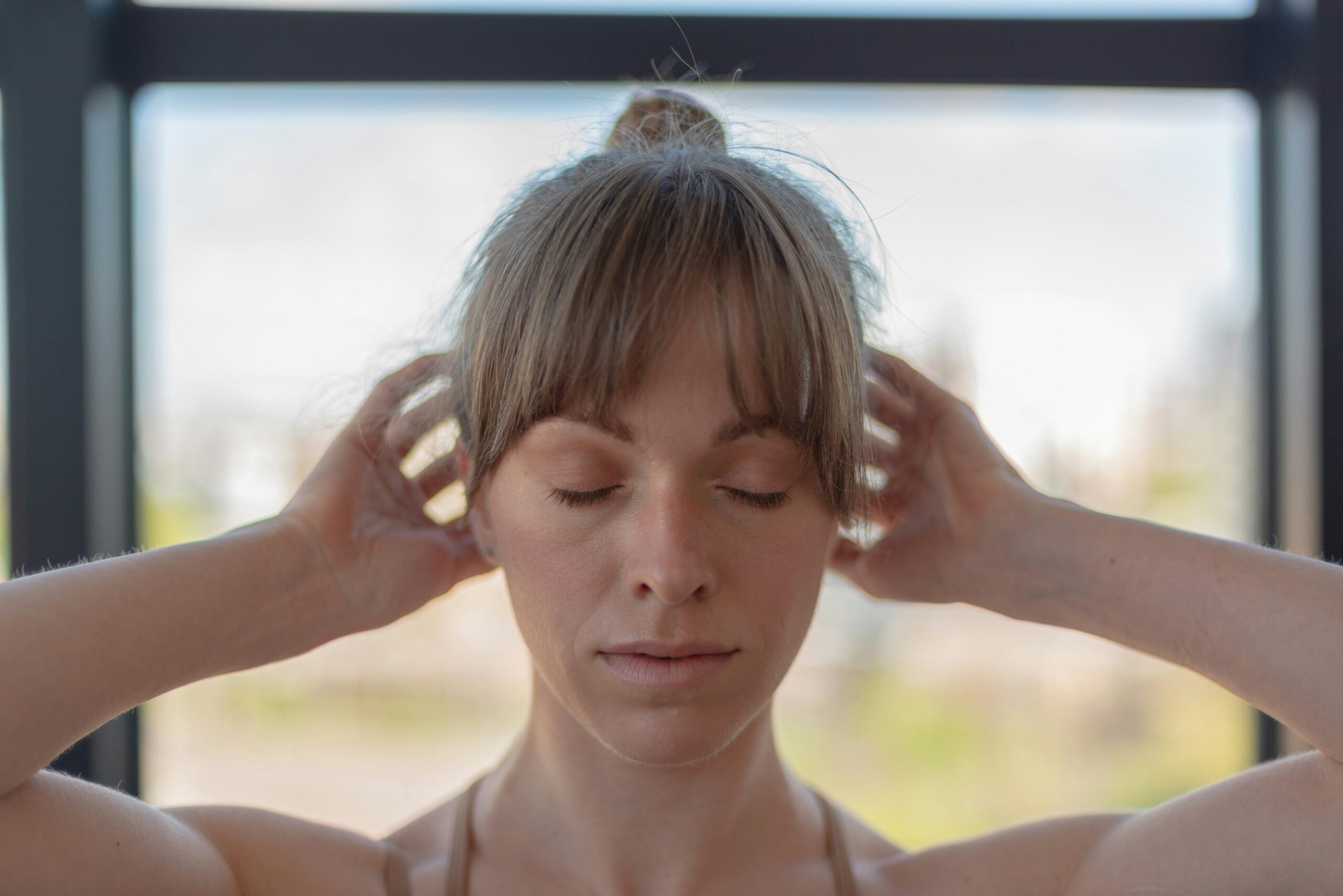
Anxiety is one of the most common mental health challenges in the world today. It can show up as racing thoughts, tension, restlessness, or even panic. While there’s no quick fix, there are simple, daily practices that can help manage it. One of the most effective approaches is building mindfulness habits to reduce anxiety.
In this article, you’ll discover how mindfulness works, why it helps, and which daily habits can bring calm, clarity, and long-term emotional balance.
What Is Mindfulness?
Mindfulness means paying full attention to the present moment, without judgment. It’s about noticing what’s happening in your body, thoughts, and surroundings—right now. You’re not trying to “fix” your thoughts or push feelings away. Instead, you accept them, observe them, and let them pass.
When anxiety takes over, mindfulness gives you a chance to pause, breathe, and ground yourself. It creates space between stimulus and response, which is key to emotional regulation.
How Mindfulness Helps with Anxiety
Anxiety often stems from two mental habits: overthinking about the future and worrying about things outside of your control. Mindfulness interrupts this cycle by bringing your attention back to the here and now.
Here’s how mindfulness habits to reduce anxiety actually work:
- They calm the nervous system
When you practice mindful breathing or grounding, your body shifts from fight-or-flight mode to rest-and-digest mode. - They improve emotional awareness
You become more aware of your emotions without being overwhelmed by them. - They reduce reactivity
Mindfulness helps you respond thoughtfully instead of reacting impulsively.
A study published in JAMA Internal Medicine found that mindfulness meditation can significantly reduce symptoms of anxiety, depression, and stress in just 8 weeks (Goyal et al., 2014).
Powerful Mindfulness Habits to Reduce Anxiety
Below are daily habits you can build into your routine to quiet your mind and ease anxiety. You don’t need to do all of them at once. Start small, and build your way up.
1. Morning Mindful Breathing
Start your day with 5 minutes of focused breathing. Sit comfortably, close your eyes, and pay attention to your breath. Inhale through your nose for four counts, hold for four, and exhale for six. Repeat.
This simple breathing habit calms your nervous system and sets a peaceful tone for your day.
2. Body Scan Meditation
A body scan helps you check in with physical tension or anxiety. Lie down or sit quietly. Slowly move your attention from head to toe, noticing any tightness or discomfort. Don’t try to change anything—just observe.
Practicing this daily helps reconnect your mind and body, creating a deeper sense of calm.
3. Mindful Walking
You don’t need to sit still to practice mindfulness. During a short walk, focus on the sensation of your feet touching the ground, the rhythm of your breath, or the sounds around you. If your mind drifts, gently bring it back.
A 2020 study in the International Journal of Environmental Research and Public Health found that just 10 minutes of mindful walking can reduce anxiety and improve mood (Nielsen et al., 2020).
4. One-Minute Check-In
Once or twice a day, pause what you’re doing and ask yourself:
- What am I feeling right now?
- What is happening in my body?
- Can I stay with this feeling for a few breaths?
This check-in builds emotional awareness and gives you more control over anxious reactions.
5. Digital Detox Moments
Constant notifications fuel anxiety. Create mindful tech boundaries. For example:
- No phones during meals
- Silent mode for one hour daily
- No screens 30 minutes before bed
These small changes help your mind slow down and stay present.
6. Gratitude Reflection
Anxiety often focuses on what’s missing or what might go wrong. Gratitude shifts your focus to what’s working.
Each evening, write down 3 things you’re grateful for. Keep it simple: “My morning coffee,” “A kind text,” or “A peaceful walk.”
Gratitude rewires your brain over time. According to a study from the University of California, Davis, people who practiced gratitude daily had lower cortisol levels and reported better sleep and reduced anxiety (Emmons & McCullough, 2003).
7. Mindfulness Bell or Reminder
Set a daily alarm or app reminder to pause and breathe. Use that moment to come back to the present. Even 30 seconds of mindfulness can interrupt anxious patterns and bring calm.

Tips to Make These Habits Stick
Creating new habits takes time. Here are tips to help you stay consistent:
- Start with one habit
Don’t overwhelm yourself. Pick one practice and try it daily for a week. - Attach it to an existing routine
For example, do mindful breathing after brushing your teeth or before lunch. - Track your progress
Use a journal or habit tracker. Seeing your efforts adds motivation. - Be gentle with yourself
If you miss a day, that’s okay. Just start again tomorrow.
The key to lasting results lies in daily practice. Over time, your brain and body will respond with greater calm, clarity, and resilience.
Real-Life Example: How Mindfulness Changed One Life
Emily, a 29-year-old graphic designer, struggled with social anxiety. Crowded spaces made her heart race and her thoughts spiral. She started using a mindfulness app and practiced breathing every morning and during anxious moments.
“I still feel nervous sometimes,” she says, “but now I know how to slow down and breathe through it. Mindfulness gave me control over my reactions.”
Her story mirrors what many people experience—mindfulness habits to reduce anxiety work when practiced consistently and with patience.
Final Thoughts
You don’t have to live in a constant state of stress. Building mindfulness habits to reduce anxiety empowers you to take back control of your emotional life. You learn to pause, notice, and respond with calm instead of panic.
Whether it’s breathing deeply in the morning, walking mindfully in the afternoon, or reflecting with gratitude at night, each small practice adds up. With time, these habits create a stronger, more balanced you.
Start today. Your calm mind is just one mindful breath away.
References
- Goyal, M., et al. (2014). “Meditation programs for psychological stress and well-being.” JAMA Internal Medicine.
- Nielsen, K., et al. (2020). “Mindful walking reduces anxiety.” International Journal of Environmental Research and Public Health.
- Emmons, R.A., & McCullough, M.E. (2003). “Counting blessings versus burdens.” Journal of Personality and Social Psychology.

Hi, I’m Brittany Larsen, a passionate blogger and content creator dedicated to writing meaningful and engaging articles. I specialize in topics like mental health, wellness, and personal development, aiming to inspire and empower my readers through relatable stories and practical advice.