
Now Reading: Yoga for Depression: A Gentle and Effective Path to Emotional Healing
-
01
Yoga for Depression: A Gentle and Effective Path to Emotional Healing

Depression can make everyday life feel heavy and overwhelming. It affects energy, sleep, concentration, and overall well-being. While therapy and medication are important tools, many people also look for natural practices to support their healing. One of the most effective and accessible options is yoga for depression.
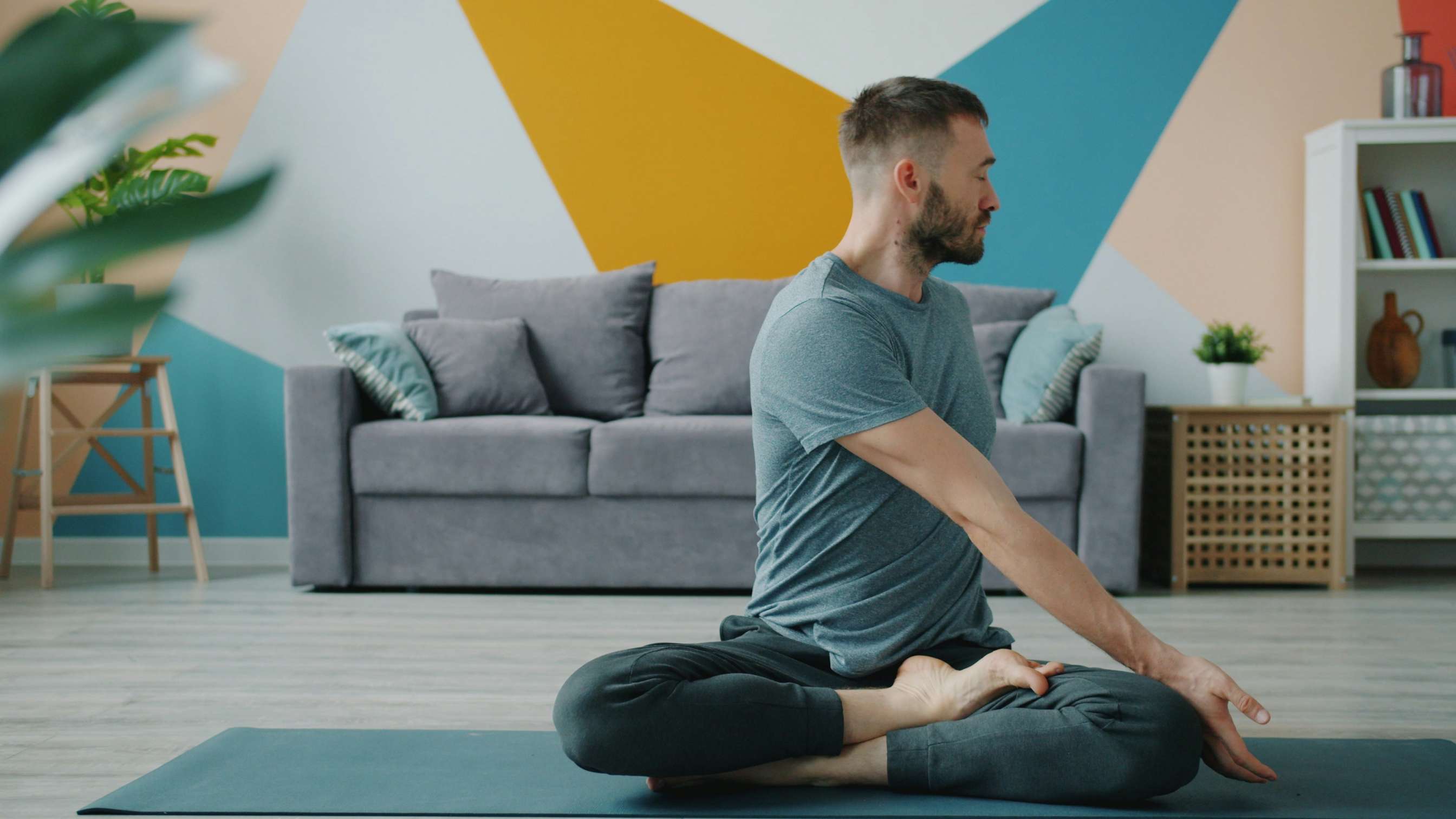
Yoga combines movement, breathwork, and mindfulness—three powerful elements that help calm the mind, reduce stress, and balance emotions. In this article, I explain how yoga works, why it helps with depressive symptoms, and how you can begin your own practice safely. I use simple vocabulary, active voice, and add relevant scientific findings to give you a complete picture.
Why Yoga Helps with Depression
Yoga works on both the body and the mind. This mind-body connection is what makes yoga for depression so powerful and unique.
1. Yoga Lowers Stress Hormones
People with depression often have high cortisol levels, which increase stress and worsen symptoms.
A study by the University of Utah found that yoga significantly reduces cortisol and helps regulate the body’s stress response (University of Utah, 2010). Lower cortisol means more emotional stability and fewer mood swings.
2. Yoga Boosts Mood-Enhancing Brain Chemicals
Yoga increases serotonin, dopamine, and especially GABA—chemicals that support emotional well-being.
Researchers at Boston University discovered that one yoga session can increase GABA levels by 27%, a major improvement for people with low mood and anxiety (Streeter et al., 2010).
This explains why many people feel calmer and more balanced after practicing yoga for depression.
3. Yoga Activates the Parasympathetic Nervous System
Yoga activates the “rest-and-digest” part of the nervous system. This shift slows the heart rate, relaxes muscles, and reduces the inner tension that many people with depression experience.
Breathing exercises, slow movements, and mindful awareness all work together to calm the body and quiet stressful thoughts.
4. Yoga Improves Sleep Quality
Poor sleep increases depression severity.
According to Harvard Health Publishing, yoga can improve sleep quality and reduce insomnia by up to 50% (Harvard Health, 2021).
Better sleep contributes to more energy, clearer thinking, and emotional balance.
What Research Says About Yoga for Depression
The effectiveness of yoga for depression is well-documented in scientific research.
- A meta-analysis of 23 clinical studies concluded that yoga significantly reduces depressive symptoms, with effects similar to light antidepressants (Cramer et al., 2017).
- A study with 122 adults showed that eight weeks of yoga and breathing exercises reduced depression by 45% (Sharma et al., 2017).
- Research highlights that yoga works especially well for people with stress-related depression or mild to moderate symptoms (Uebelacker et al., 2017).
The evidence is clear: yoga for depression is a safe and effective complementary tool for emotional healing.
Best Types of Yoga for Depression
Not all yoga styles have the same effect. Some forms are especially useful for emotional well-being.
1. Hatha Yoga
Hatha Yoga focuses on slow movements, stretches, and breathing. It is grounding, soothing, and ideal for beginners. Most scientific studies on yoga for depression use Hatha Yoga as the primary style.
2. Restorative Yoga
Restorative Yoga uses props like cushions and blankets to support the body in relaxing poses.
It reduces stress, quiets the mind, and is especially helpful for people who feel overwhelmed or fatigued.
3. Kundalini Yoga
Kundalini Yoga combines breathwork, chanting, meditation, and movement.
One study found that 12 weeks of Kundalini Yoga significantly reduced depressive symptoms and increased emotional resilience (Sharma et al., 2017).
4. Yin Yoga
Yin Yoga focuses on deep stretches held for several minutes. This practice releases tension in the body and encourages mindfulness, making it ideal for emotional balance.
7 Powerful Yoga Poses for Depression Relief
These poses create a strong foundation for practicing yoga for depression:
1. Child’s Pose (Balasana)
Calms the mind, releases tension, and supports emotional grounding.
2. Cobra Pose (Bhujangasana)
A gentle heart-opening pose that improves energy and mood.
3. Bridge Pose (Setu Bandhasana)
Strengthens the body, opens the chest, and improves deep breathing.
4. Standing Forward Fold (Uttanasana)
Relieves stress and helps quiet the mind.
5. Warrior II (Virabhadrasana II)
Builds confidence, stability, and inner strength—helpful when depression affects self-esteem.
6. Seated Twist (Ardha Matsyendrasana)
Improves digestion and reduces stress by stabilizing the nervous system.
7. Corpse Pose (Shavasana)
Promotes deep relaxation and completes any practice by calming the mind.
These poses are safe for beginners and form an excellent routine for yoga for depression.
A Simple 4-Week Routine: Yoga for Depression
Here is an easy, beginner-friendly routine you can follow.
Week 1: Ease Into It
- 10 minutes of gentle yoga daily
- Focus on Child’s Pose, Forward Fold, and Shavasana
- Practice slow breathing
Week 2: Build Stability
- 15 minutes of yoga daily
- Add Warrior II and Bridge Pose
- Use guided videos if needed
Week 3: Expand Your Practice
- 20 minutes daily
- Add Cobra Pose and Seated Twist
- Begin short 3-minute meditations
Week 4: Strengthen Mind-Body Balance
- 25 minutes daily
- Combine all poses into one flow
- Add 5 minutes of breathwork (Pranayama)
After four weeks, many people report better mood, improved sleep, and more emotional resilience.
Tips to Stay Motivated
Start Small
Even 10 minutes a day can make a difference.
Choose a Set Time
Morning or evening works best for consistency.
Use Soft Music or Guided Practices
These help you relax and stay focused.
Be Kind to Yourself
Healing takes time. Every small step counts.
Celebrate Progress
Notice improvements in mood, energy, and sleep—these changes matter.
When to Seek Professional Help
Even though yoga for depression is helpful, it is not a replacement for therapy or medical care. Seek professional support if you:
- Struggle with daily functioning
- Have symptoms for several weeks
- Experience hopelessness or suicidal thoughts
- Cannot sleep, eat, or concentrate properly
Yoga works best when used alongside qualified mental health support.
Conclusion
Yoga for depression is a powerful, natural way to support emotional healing. It reduces stress, improves mood, boosts brain chemicals, and creates a sense of balance and peace. With simple poses, mindful breathing, and consistent practice, yoga can become a supportive tool in your journey toward better mental health.

Hi, I’m Brittany Larsen, a passionate blogger and content creator dedicated to writing meaningful and engaging articles. I specialize in topics like mental health, wellness, and personal development, aiming to inspire and empower my readers through relatable stories and practical advice.