
Now Reading: How Sleep Deprivation Affects Mental Health
-
01
How Sleep Deprivation Affects Mental Health
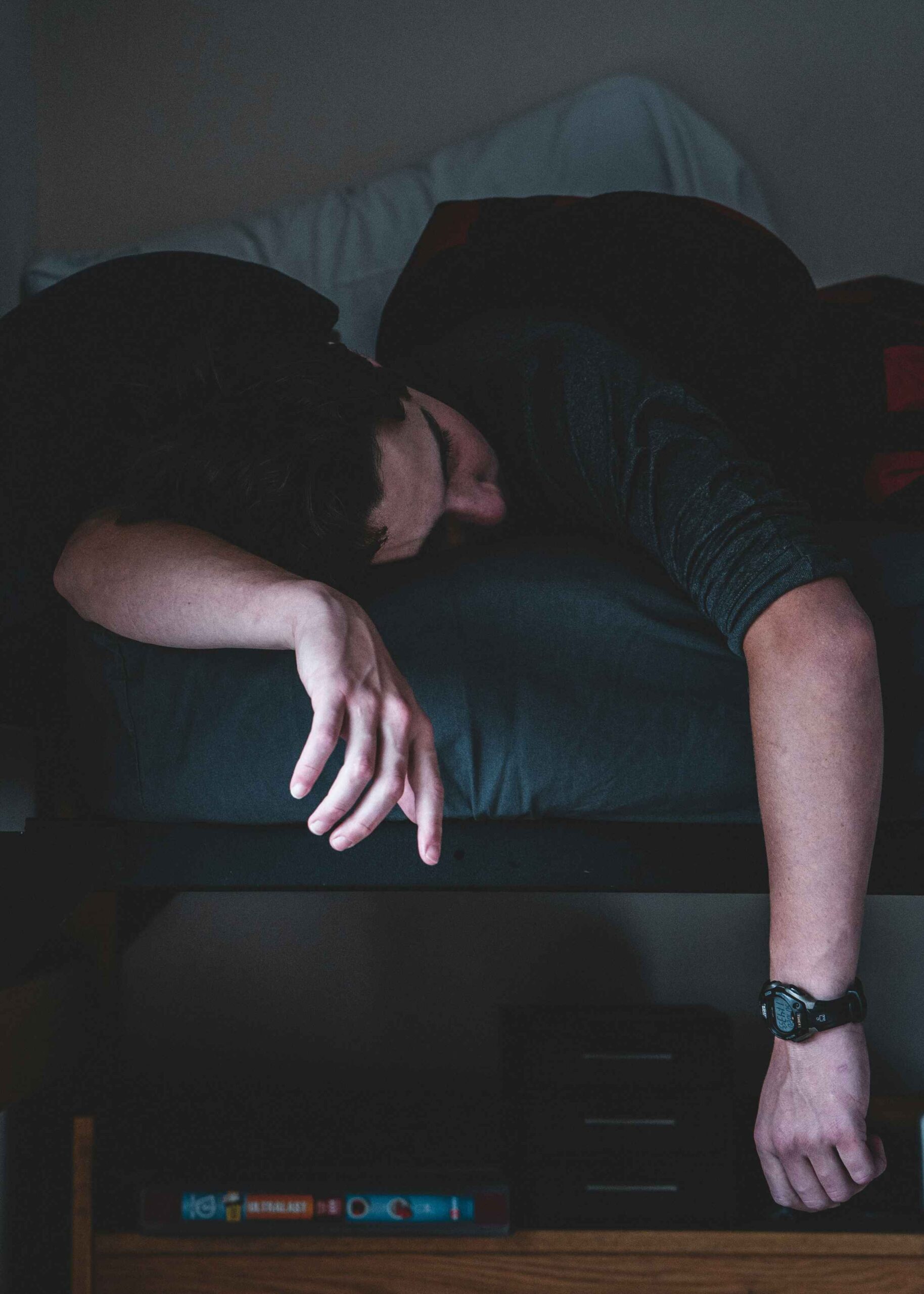
Sleep is one of the most powerful tools our bodies use to heal, reset, and stay emotionally balanced. Yet millions of people treat sleep like a luxury instead of a basic need. Understanding how sleep deprivation affects mental health is more important than ever, especially as busy lifestyles, stress, and digital habits continue to disrupt healthy rest.

According to the Centers for Disease Control and Prevention, about one in three adults in the United States does not get enough sleep (CDC, 2022). This lack of sleep doesn’t just cause morning grogginess—it can change how we think, feel, and behave. In this article, you’ll learn how sleep deprivation affects mental health, why it’s more serious than many people realize, and what you can do to protect your emotional well-being.
Why Sleep Matters for Emotional Balance
Sleep is not simply downtime. During sleep, the brain organizes memories, processes emotions, and restores chemicals that keep our mood balanced. Quality sleep helps us handle stress, make decisions, and stay connected to others.
When sleep is interrupted or too short, these systems begin to break down. Over time, poor sleep becomes a major trigger for emotional instability. Many researchers now describe sleep as the foundation of mental health, not just a supporting factor.
This is why understanding how sleep deprivation affects mental health is essential for anyone trying to improve mood, energy, or overall well-being.
Mood Changes: One of the First Warning Signs
One of the earliest signs of sleep loss is a change in mood. Even a single night of poor sleep can make a person irritable, impatient, or emotionally sensitive the next day.
A study from the University of Pennsylvania found that people who slept only 4.5 hours per night for one week reported increased stress, anger, sadness, and mental exhaustion (Dinges et al., 1997). Once they returned to normal sleep, their mood quickly improved.
This research shows how sleep deprivation affects mental health almost immediately. Without enough rest, the brain struggles to regulate emotions, making it harder to stay calm or think clearly in stressful situations.
How Sleep Deprivation Affects Stress and Anxiety
Sleep and anxiety have a two-way relationship. Lack of sleep increases anxiety, and anxiety makes it harder to sleep. This cycle can quickly become overwhelming.
A study published in Nature Human Behaviour found that deep sleep reduces anxiety by lowering activity in the brain’s emotional centers. After one sleepless night, anxiety levels rose by up to 30% (Ben Simon & Walker, 2019).
This statistic highlights clearly how sleep deprivation affects mental health: it makes the brain feel unsafe, overwhelmed, and more reactive. When people lose sleep, even small problems can feel like major threats.
Depression and Long-Term Mental Health Risks
The connection between sleep deprivation and depression is strong. In fact, research from Harvard Medical School shows that people with insomnia are ten times more likely to develop depression (Harvard Health, 2021).
Poor sleep disrupts the brain chemicals that influence happiness and motivation, including serotonin and dopamine. Over time, chronic sleep deprivation can lead to feelings of hopelessness, low energy, and lack of interest in daily activities.
This demonstrates another major way how sleep deprivation affects mental health: it increases the risk of developing long-term mental health disorders, not just temporary mood issues.
Cognitive Problems: When the Brain Slows Down
Sleep deprivation doesn’t just affect emotions—it also affects how we think. Without enough sleep, the brain struggles to stay focused, make decisions, or solve problems.
The National Institutes of Health reports that sleep-deprived individuals show slower reaction times, reduced concentration, and impaired memory (NIH, 2020). These cognitive issues can affect work performance, school results, and even safety, such as while driving.
This is another example of how sleep deprivation affects mental health, because mental health includes cognitive well-being. When the brain cannot function efficiently, stress increases and confidence drops.
How Sleep Loss Affects Relationships
Healthy relationships depend on empathy, patience, and communication. Unfortunately, sleep deprivation makes all three more difficult.
A study from the University of California found that people who are sleep-deprived struggle to read facial emotions and show less empathy toward others (Goldstein et al., 2013). They may also react more negatively during conflicts.
If you want to understand how sleep deprivation affects mental health, relationship strain is an important piece. Emotional exhaustion makes it harder to express kindness or handle disagreements in a healthy way.
Why Chronic Sleep Deprivation Is Dangerous
Missing one night of sleep is uncomfortable. Missing many nights of sleep is dangerous. Chronic sleep loss can change a person’s personality, increase their risk of mental disorders, and reduce their overall quality of life.
Some long-term effects include:
- Higher risk of anxiety disorders
- Increased likelihood of depression
- Difficulty managing daily stress
- Worsened memory and concentration
- Impaired emotional regulation
- Increased impulsivity
Over time, these symptoms show how sleep deprivation affects mental health in serious and lasting ways.
How Much Sleep Do You Really Need?
Most adults need 7–9 hours of sleep per night, according to the American Academy of Sleep Medicine. Children and teenagers need even more due to ongoing brain development.
However, the quality of sleep matters just as much as the number of hours. Deep, uninterrupted sleep is what helps restore emotional and mental balance.
If you consistently wake up tired, irritable, or anxious, your sleep quality may be low—even if you spend enough hours in bed.
Tips to Protect Your Sleep and Mental Health
You can improve both sleep and emotional well-being by making small changes to your daily routine. Here are simple tips:
1. Create a calming bedtime routine
Avoid screens 1 hour before bed and choose relaxing activities like reading or stretching.
2. Go to bed and wake up at the same time
Consistency helps balance your internal clock.
3. Limit caffeine after lunchtime
Caffeine can stay in your system for up to eight hours.
4. Keep your room cool, dark, and quiet
Your environment has a big impact on sleep quality.
5. Practice stress-reduction techniques
Deep breathing, journaling, or meditation can calm the mind before sleep.
6. Seek support if needed
If sleep problems persist for several weeks, talk to a doctor or therapist. They can help you understand how sleep deprivation affects mental health in your specific situation.
Final Thoughts
Understanding how sleep deprivation affects mental health is essential for anyone who wants to improve their emotional well-being. Sleep is not optional—it’s a foundational part of mental resilience. When you protect your sleep, you protect your mind, mood, relationships, and overall quality of life.
Getting enough rest may be one of the simplest and most powerful ways to support long-term mental health.

Hi, I’m Brittany Larsen, a passionate blogger and content creator dedicated to writing meaningful and engaging articles. I specialize in topics like mental health, wellness, and personal development, aiming to inspire and empower my readers through relatable stories and practical advice.