Now Reading: Yoga for Mental Clarity and Focus
-
01
Yoga for Mental Clarity and Focus
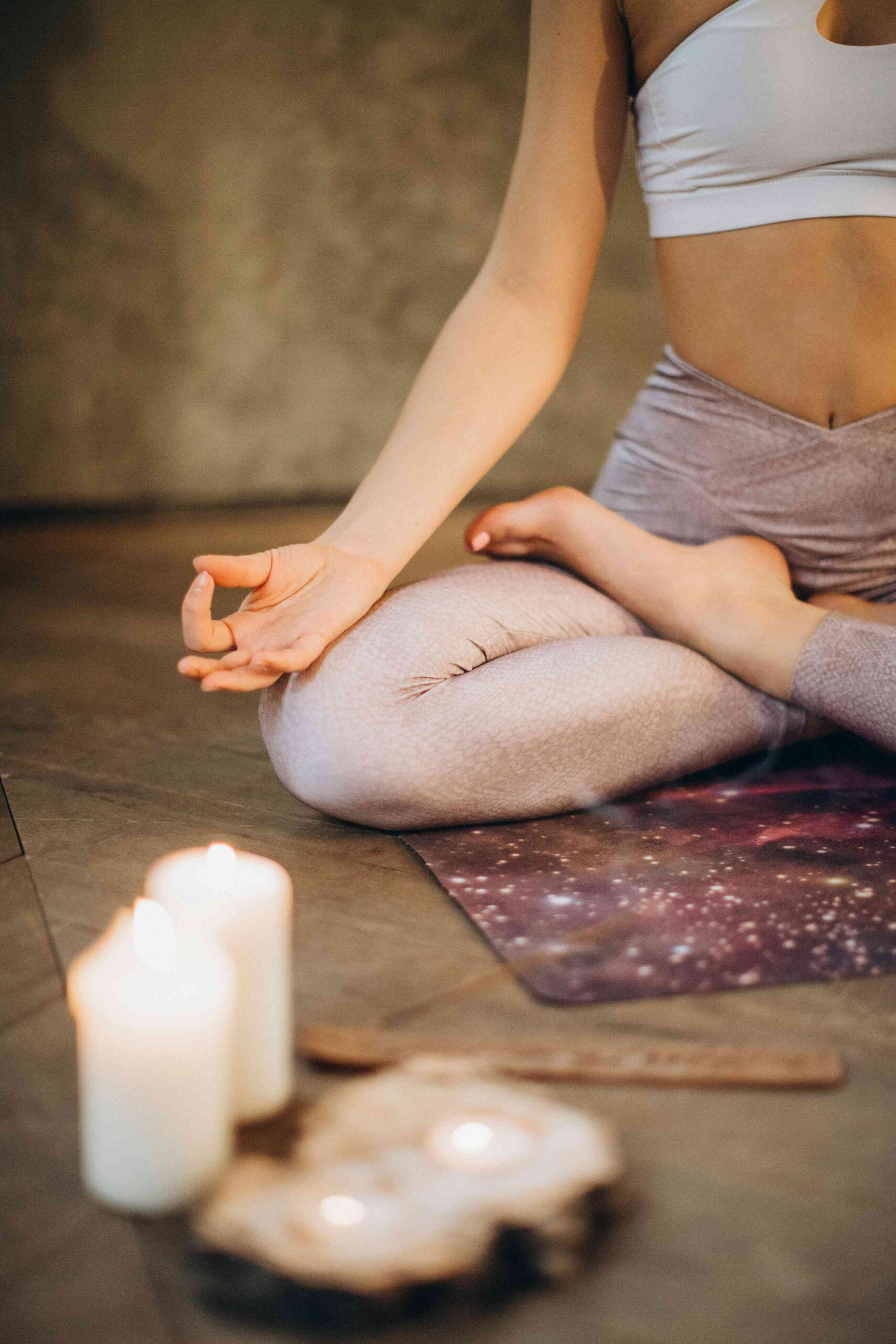
In today’s fast-paced world, mental fog, distraction, and constant stress feel almost normal. Many people struggle to stay focused, think clearly, and remain present throughout the day. This is where yoga for mental clarity and focus becomes a powerful and natural solution. Yoga does not just improve flexibility or strength—it directly supports brain health, emotional balance, and attention.

With over 10 years of experience writing in the mental health space, I can confidently say that yoga stands out as one of the most effective mind–body practices for improving focus and mental clarity. Let’s explore how and why it works.
What Is Mental Clarity and Focus?
Mental clarity means having a clear, calm, and organized mind. Focus refers to your ability to direct attention toward one task without distraction. When both work together, decision-making improves, stress reduces, and productivity increases.
Chronic stress, anxiety, poor sleep, and digital overload often reduce clarity and concentration. Research shows that long-term stress can impair memory and attention by affecting the prefrontal cortex, the brain area responsible for focus and planning (American Psychological Association, 2023).
This is why yoga for mental clarity and focus is becoming increasingly popular in mental health care and self-care routines.
How Yoga Supports Brain Health
Yoga Reduces Stress Hormones
Yoga lowers cortisol, the body’s primary stress hormone. High cortisol levels are linked to poor concentration and memory problems. A 2020 study published in Frontiers in Psychology found that regular yoga practice significantly reduced stress and improved cognitive performance.
By calming the nervous system, yoga for mental clarity and focus allows the brain to function more efficiently.
Yoga Improves Blood Flow to the Brain
Many yoga postures improve circulation, including blood flow to the brain. Better circulation means more oxygen and nutrients reach brain cells, supporting sharper thinking and better focus.
According to Harvard Medical School, mind–body practices like yoga increase gray matter density in brain areas linked to attention and emotional regulation (Harvard Health Publishing, 2021).
Yoga and the Mind-Body Connection
Yoga connects movement with breath and awareness. This combination trains the mind to stay present. Over time, this practice strengthens attention control.
Unlike multitasking, yoga teaches single-task awareness. This makes yoga for mental clarity and focus especially effective for people struggling with racing thoughts or mental fatigue.
Best Yoga Styles for Mental Clarity and Focus
Hatha Yoga
Hatha yoga moves at a slow pace. It focuses on posture alignment and breathing. This style suits beginners and those who want to calm their thoughts.
Hatha-based yoga for mental clarity and focus helps reduce mental noise and build awareness.
Vinyasa Yoga
Vinyasa links movement with breath in a flowing sequence. This improves focus by requiring constant attention.
People who practice Vinyasa-based yoga for mental clarity and focus often report better concentration and energy levels.
Yin Yoga
Yin yoga involves long-held poses and deep breathing. It activates the parasympathetic nervous system, which supports relaxation and mental clarity.
This gentle form of yoga for mental clarity and focus is ideal for anxiety and burnout.
Yoga Poses That Improve Focus and Mental Clarity
Mountain Pose (Tadasana)
Mountain Pose builds awareness and posture alignment. Standing still and breathing deeply helps clear the mind.
Practicing Mountain Pose daily supports yoga for mental clarity and focus by grounding attention.
Tree Pose (Vrksasana)
Tree Pose challenges balance and concentration. You must stay focused to avoid falling.
This pose strengthens attention control, a key part of yoga for mental clarity and focus.
Seated Forward Fold (Paschimottanasana)
This calming pose reduces mental tension and stress. It supports introspection and mental stillness.
The Role of Breathing in Mental Focus
Pranayama and Brain Function
Breathing exercises, known as pranayama, directly affect brain activity. Slow, controlled breathing improves oxygen delivery and calms the nervous system.
A 2018 study in The Journal of Clinical Psychology found that controlled breathing techniques improved attention span and reduced anxiety symptoms.
Breathing practices are a core part of yoga for mental clarity and focus.
Alternate Nostril Breathing (Nadi Shodhana)
This technique balances the left and right hemispheres of the brain. It enhances focus and emotional regulation.
Many mental health professionals recommend Nadi Shodhana as part of yoga for mental clarity and focus routines.
Yoga and Mindfulness: A Powerful Combination
Yoga naturally builds mindfulness. Mindfulness improves attention and reduces mental clutter.
According to the World Health Organization, mindfulness-based practices reduce symptoms of anxiety and improve cognitive functioning (WHO, 2022).
By combining movement and awareness, yoga for mental clarity and focus strengthens the brain’s ability to stay present.
How Often Should You Practice Yoga for Mental Clarity?
Consistency matters more than intensity. Practicing yoga 3–5 times per week delivers noticeable mental benefits.
Even 20 minutes a day of yoga for mental clarity and focus can improve attention, mood, and emotional balance.
Yoga vs. Other Focus-Boosting Techniques
Yoga differs from caffeine, supplements, or stimulants. It builds long-term brain resilience without side effects.
While meditation focuses only on the mind, yoga for mental clarity and focus engages both body and mind, making it easier for beginners.
Scientific Evidence Supporting Yoga for Mental Clarity
A 2021 meta-analysis in Brain Plasticity showed that yoga improves executive function, working memory, and attention control.
These findings support the growing use of yoga for mental clarity and focus in therapy, schools, and workplace wellness programs.
Who Can Benefit from Yoga for Mental Clarity and Focus?
Yoga benefits people of all ages and backgrounds, including:
- Individuals with anxiety or depression
- Students with attention difficulties
- Professionals facing burnout
- Older adults experiencing cognitive decline
Because it is adaptable, yoga for mental clarity and focus suits beginners and advanced practitioners alike.
Final Thoughts
Mental clarity and focus are essential for emotional well-being and daily functioning. Yoga offers a simple, accessible, and research-backed way to support brain health naturally.
By reducing stress, improving circulation, enhancing mindfulness, and strengthening attention control, yoga for mental clarity and focus becomes more than exercise—it becomes mental self-care.
Whether you are new to yoga or returning to your mat, committing to regular practice can transform how you think, feel, and focus—one breath at a time.

Hi, I’m Brittany Larsen, a passionate blogger and content creator dedicated to writing meaningful and engaging articles. I specialize in topics like mental health, wellness, and personal development, aiming to inspire and empower my readers through relatable stories and practical advice.