Now Reading: Self-Care Items: 30 Things That Actually Help (Plus a DIY Basket)
-
01
Self-Care Items: 30 Things That Actually Help (Plus a DIY Basket)
Useful self care items make it a whole lot easier to meet an everyday need: a bottle you can clean, a nice blanket, a notebook, some food you like. Pick something that actually addresses a specific pain point and then use the DIY basket ideas and the budget table below to put together a few of the items that would be useful to that individual.
Before you buy anything, think about what’s missing from the day. Maybe a lunch container would help someone bring food to work, or a second charging cable could save trips between rooms. If the person doesn’t like scents, a candle might not be the best choice.
You can also use things you already have. In our self-care Sunday routine, we start by noticing what we need right now and making a little space for it.
What makes a self care item useful?
Pick something with a clear purpose that feels comfortable and is easy to take care of. If an item needs an app, a subscription, special cleaning, or lots of charging, it might end up being more trouble than it’s worth.
The National Institute of Mental Health includes meals, hydration, sleep, enjoyable activities, priorities, and social connection in its self-care guidance. Those needs provide a sensible starting point for choosing everyday supplies. They do not establish that a particular product will improve mental health.
The list below gives practical ideas for everyday use. The product examples mentioned later were checked with retailers, but we haven’t tested them ourselves for this guide.
30 self-care items to consider
For rest and a comfortable space
- A sleep mask. Useful if you prefer less light during a rest break or at bedtime. Look for a comfortable strap and a washable design. If you dislike anything touching your face, choose another item rather than assuming a mask is essential.
- A washable throw blanket. Choose a weight and texture the person already enjoys. Check the care label and dimensions before buying. A small throw may suit a chair; someone wanting a bed covering will need a different size.
- Comfortable socks. Check the actual size range, material, and seam placement. Softness is personal, and a tight cuff can make an otherwise appealing pair unwelcome. Include a gift receipt if you are unsure about the fit.
- A spare pillowcase. A second easy-care pillowcase makes it possible to change bedding without waiting for a full laundry load. Match the pillow’s dimensions and choose a familiar fabric rather than paying extra for unsupported beauty or sleep promises.
- A small reading lamp. Look for an accessible switch and a brightness level that suits the room. Check whether the price includes a bulb or charging cable. For a gift, find out whether there is space and a suitable outlet first.
For meals and drinks
- An easy-clean water bottle. A lid you can take apart and an opening that fits your cleaning tools matter more than a motivational slogan. Check its filled weight and whether it fits the place you plan to carry or store it.
- A comfortable mug. Think about handle size, capacity, and dishwasher or microwave instructions. Someone with a full cupboard may appreciate their preferred drink more than another mug. An existing cup works perfectly well for your own basket.
- A lunch container. Choose one that fits an ordinary meal and the available bag or fridge space. Read the lid and reheating instructions. Avoid assuming a container is leakproof or microwave-safe unless the manufacturer specifies it.
- A favorite packaged snack. Familiar food can make a basket feel personal. Check allergies, dietary preferences, and the use-by date. Keep it in its original packaging so the recipient can read the ingredients and storage instructions.
- A grocery gift card. This gives the recipient more choice over food and household basics. Check where it can be used, any fees or restrictions, and whether the person can easily access that retailer. A modest amount can be useful.
For familiar personal care
- Their usual hand cream. Replacing something a person already likes is often simpler than introducing a new formula. Ask about the exact product and scent. For yourself, finish a suitable product you own before buying a duplicate.
- A preferred lip balm. Choose a familiar texture and flavor, or ask first. Keep it sealed when gifting. A multipack only makes sense if the recipient wants several; one useful item is enough.
- A familiar soap or body wash. Ask about fragrance preferences and ingredients they avoid. An elaborate bath product has little use for someone who takes showers or dislikes scented products. Match the item to their routine.
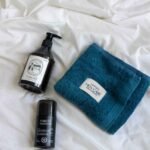
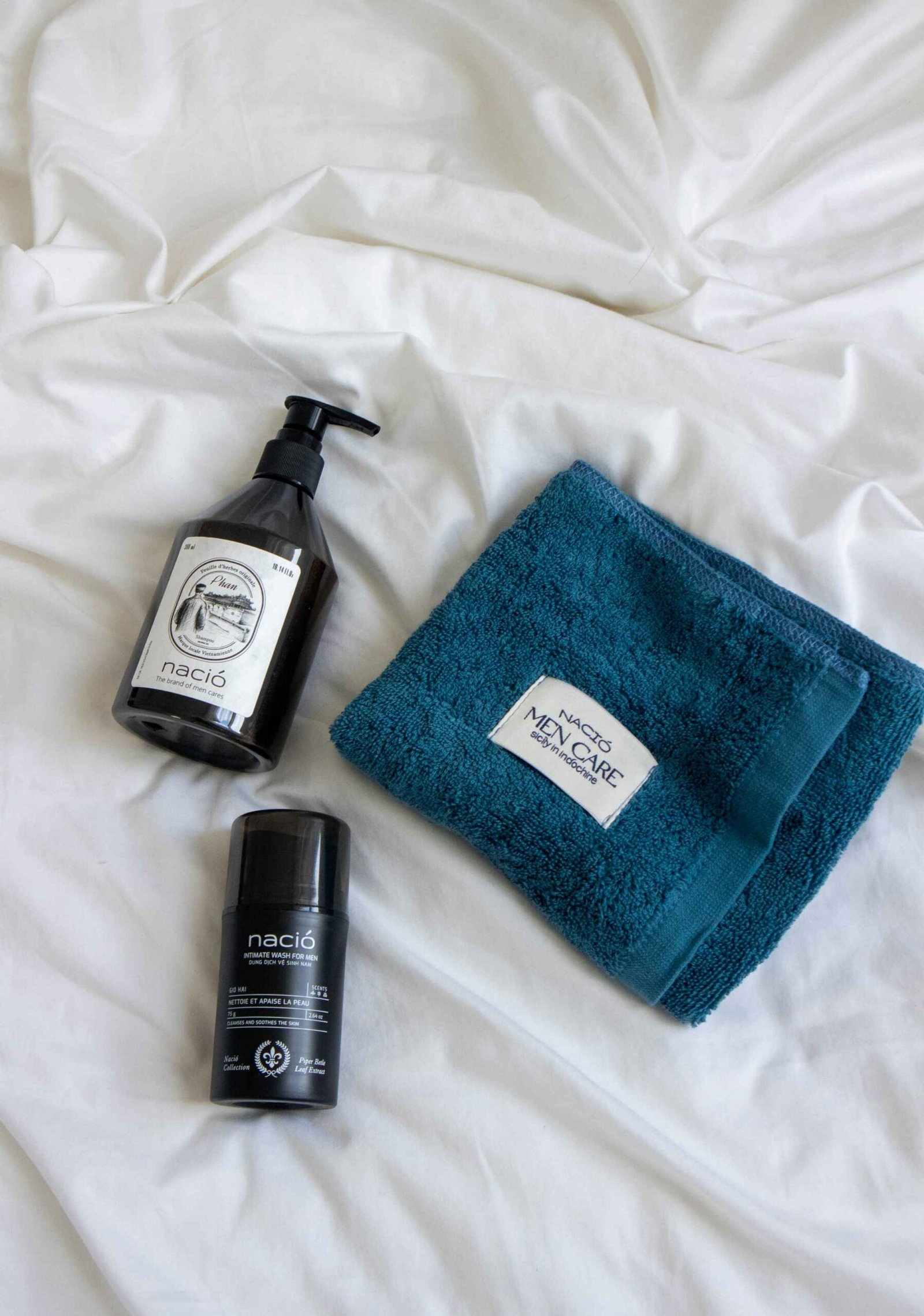
- A soft washcloth. A small, washable cloth can be an inexpensive addition to a care basket. Check the texture and laundering instructions. You can also fold a clean cloth you already own around the other items in your own kit.
- A washable toiletry pouch. Useful for keeping frequently used supplies together at home or when traveling. Check that bottles fit upright if that matters. A simple zip pouch may be easier to use than one with many small compartments.
For enjoyable, low-pressure downtime
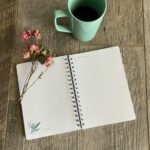
- A plain notebook. It can hold a shopping list, a sketch, or a few private reflections. Choose paper size and ruling that suit the user. If you want a starting question, our gratitude journal prompts include brief ways to write about specific everyday details.
- A pen that feels comfortable. A smooth-writing pen makes a notebook easier to use. Think about grip width, ink type, and whether replacement refills are available. Avoid buying an expensive writing set for someone who prefers an ordinary ballpoint.
- A book they actually want to read. Ask for a title or choose a bookstore voucher if you are unsure. A library loan works for your own rest basket. Give a self-help book only when the person has expressed interest.
- A puzzle book or small puzzle. Match the type and difficulty to the person’s interests. Large print, clear contrast, and a manageable piece count may matter more than decorative packaging. Choose something they can put aside without losing progress.
- A small set of coloring pencils. Pair them with ordinary paper if the recipient enjoys drawing or coloring. A large art kit can be overwhelming and difficult to store. Start with a few usable materials that match the hobby.
For less friction in daily routines
- A simple timer. A separate timer can mark a reading break, a task, or cooking time without needing to open a phone. Check the sound, display, and controls. Some people will prefer the timer they already use.
- A small tray. Use it as a place for keys, glasses, or a watch. Choose dimensions that fit the actual surface. A tray can also hold a drink and notebook beside a chair, provided it is stable and within reach.
- A compatible spare charging cable. Check the connector, device compatibility, and any power requirements. A cable in the place it is needed may be more useful than a novelty gadget. Buy from a reputable supplier and follow the device maker’s guidance.
- A simple calendar or notepad. Choose enough writing space for appointments and reminders. Avoid a detailed planner that requires daily tracking unless that is something the user enjoys. A sheet of paper can serve the same purpose.
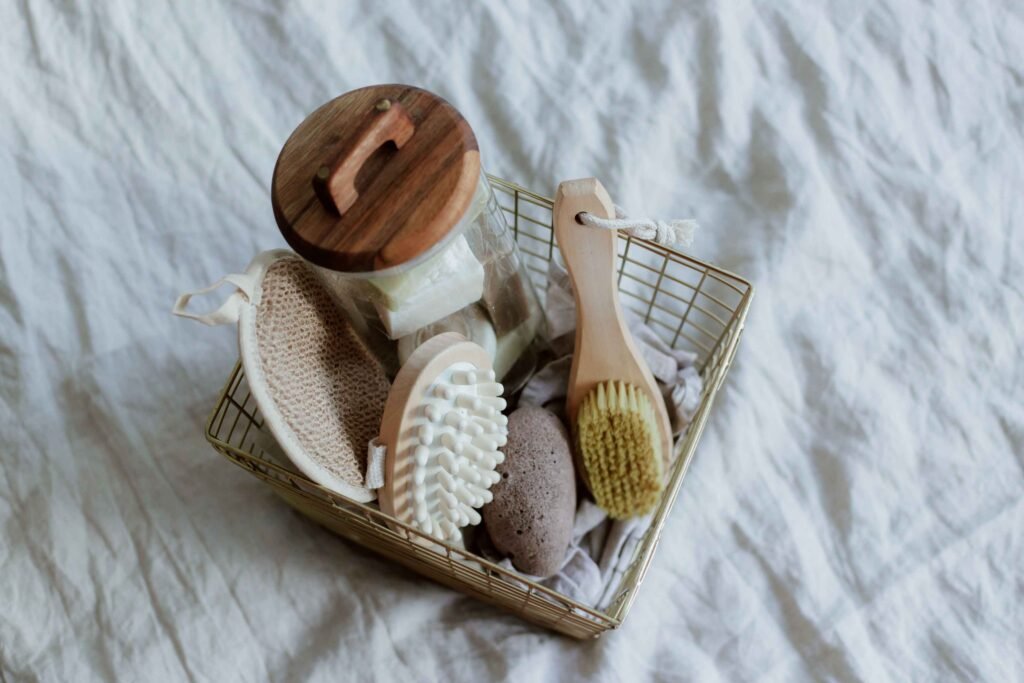
- A small storage basket. Choose it for a location and a set of items, such as bedside supplies. Measure the shelf or table before shopping. For a gift basket, the container should have a useful second job after the gift is unpacked.
For connection and getting out
- A reusable tote. Pick a size and handle length that suit how it will be carried. It can hold a library book, groceries, or a few rest supplies. A clean tote you already own can double as the container for a homemade care package.
- Comfortable headphones. Consider these when the recipient wants them and can try the fit. Check device compatibility and controls. A familiar pair may be preferable to an upgrade; a listening break can also use an existing speaker at a comfortable volume.
- A postcard or small stationery set. Include a stamp where appropriate, or write a note yourself. A personal message can be the most meaningful part of a basket. You can explicitly say that the recipient does not need to reply.
- A small photo print or frame. Choose an image the person would enjoy displaying and consider their privacy. Avoid selecting a painful or sensitive memory on their behalf. A frame is optional; a print tucked into a card can be enough.
- A meal or café gift card. Choose somewhere the recipient likes and can use easily. Check collection, delivery, minimum spend, and expiry conditions. If the practical need is dinner at home, choose accordingly rather than a café trip that adds an errand.
Self-care basket ideas: choose a purpose first
A coherent basket really only needs a few things. Pick a situation and then throw in a few things that work together.
| Basket idea | A small combination | What to check first |
| Reading break | A wanted book, a snack, and a note | Reading preferences and dietary needs |
| Easy evening | A washcloth, familiar personal-care product, and comfortable socks | Product preferences, fabric, and fit |
| Write and pause | A notebook, a pen, and a preferred drink | Whether the person enjoys writing |
| Practical support | A grocery or meal card and a personal message | Where the card works and how it is redeemed |
| Use what you own | An existing mug, a library book, and a clean throw in a tote | Whether each item is ready to use |
For gifts, work out what the person would actually appreciate before you even think about a theme. Our thoughtful mental health gifts guide has a whole host of ways you can make a gift that is supportive without expecting any updates or daily use.
A budget table for baskets under $25, $50, and $100
These sample spend plans are all in US dollars. They represent maximum spending allowances with money remaining for tax and other such costs. They are not guaranteed checkout amounts as delivery charges, local tax and item prices will vary. If the total comes in over your chosen limit then you’ll need to reduce the contents.
Two reference prices checked on 18th November 2026: Target had the up&up flexible cover composition notebook at $1.49 and the up&up sleep eye mask at $6.99. Those examples are the ones that fit the $2 notebook and $7 mask allowances below. Always check the current price and the recipient’s preferences before selecting either.
| Spending limit | Planned contents and item allowances | Item subtotal | Extra-cost allowance | Planned total |
| Under $25 | Notebook $2 + pen $2 + sleep mask $7 + snack $4 + familiar hand cream $5; reuse a container | $20 | $4 | $24 |
| Under $50 | The $20 selection above + washcloth $3 + wanted book $10 + mug $6; reuse a container | $39 | $9 | $48 |
| Under $100 | The $39 selection above + washable throw $20 + meal gift card $20; reuse a container | $79 | $14 | $93 |
The only two figures that are actual retailer prices. All the others are spending caps to shop within (not assertions that the product is available at that price). You can skip or replace anything that you can’t find within its allowance. You don’t need to spend the entire budget or buy every item in a row.
For a small basket with relatively few preferences to work with, a notebook, a pen, a known snack and a personal note may be all that is required. Save the spare budget rather than filling the basket with all sorts of things you don’t actually want.
How to assemble a DIY self-care basket
Start with the recipient and the spending limit. Ask them about 2 or 3 preferences (food and fragrance being the key ones). Establish whether the budget is all-inclusive (i.e. includes packaging, tax and delivery).
Choose a container that you can reuse (a clean tote, a shoebox or an existing basket will all do). Make sure the largest item will fit before you go and buy anything decorative. For your own kit you’d obviously put it in the place where you’ll be using the contents.
Pick 3 to 5 items. Build around a clear use (reading, a simple evening routine, meal support etc). Put the largest item at the back and the smaller sealed items in front so you can see what’s inside.
Keep the labels and instructions. Keep the food ingredients, care instructions and product packaging itself accessible. Any personal care product should be left in its sealed state if being gifted. Include gift receipts where possible.
Add a specific offer if you want to help. A note might say ‘I’ll bring dinner on a certain evening’ or ‘I’ll pick up the groceries’. Make sure the help is actually wanted and that you can deliver on it. The note can also simply state ‘no need to reply’.
Stop when it’s useful. Packaging doesn’t need to fill every gap. A short hand written message can finish the basket off without any ribbon, no plastic wrap and no extra purchases.
What should you omit?
Omit anything that’s predicated on a preference you haven’t checked (unfamiliar skincare, strong fragrance, food with unknown ingredients, a kit for a hobby they’ve never wanted etc). Always ask before giving a subscription or anything that requires an account and ongoing payments.
Don’t present supplements, detox products or any of the other expensive wellness gadgets as essential items in a self care basket. This guide doesn’t recommend any of the products as a treatment for a health condition.
A well intentioned gift can also come with a bit of pressure. You can absolutely let the recipient use it, swap it, pass it on or just set it aside without asking to see any proof that the basket has been of any use at all.
Can self care items replace professional support?
Everyday supplies can make your routine a bit more convenient or comfortable. They won’t in any way replace professional care or resolve the more difficult situations. If the distress continues, gets worse or starts to interfere with your normal day to day responsibilities then you should speak to a qualified health or mental health professional. NIMH’s self care guidance is that you should seek professional help when you need it.
For someone else practical support may be more useful than another object. Ask what would make the week easier and listen to the answer before you go any further.
Common questions
What are the most useful self-care items on a very small budget?
Start with something you’re going to use fairly soon really: a notebook and pen, a replacement for a product you already have, a meal container, a snack. Look at what you already have before you spend any money. A library book and an existing blanket will in fact make a complete rest setup.
What do you put in a self care basket for someone you don’t know very well?
Keep it small and flexible. A personal note and a gift card to an accessible retailer gives the recipient more choice than scented products, clothing or the odd bit of food. Make sure the card can be used without any extra outlay that the recipient wouldn’t be able to afford.
Do men and women need different self care items?
Choose by interest, by routine, by what you think will fit and by preference. If you’re someone who likes to read then a book may be the thing for you. If you’re someone who needs help with meals then a grocery card may be the better option. Gendered packaging tells you very little about whether the product is going to be of any use at all.
Is a DIY basket better than a ready made one?
Making your own basket lets you choose what goes in and how much you spend. A ready-made basket can save time if all the items fit the recipient’s needs. Before you compare value, check what’s included, the sizes, delivery costs, and return policies.
Pick something that meets a real need and make sure it’s easy to use. If one item does the job, there’s no need to add more.
Sources and price checks
- National Institute of Mental Health: Caring for Your Mental Health
- Target: up&up wide-ruled flexible-cover composition notebook—listed at $1.49 when checked November 18, 2026
- Target: up&up sleep eye mask—listed at $6.99 when checked November 18, 2026

Hi, I’m Brittany Larsen, a passionate blogger and content creator dedicated to writing meaningful and engaging articles. I specialize in topics like mental health, wellness, and personal development, aiming to inspire and empower my readers through relatable stories and practical advice.