Now Reading: Resilience Quotes: 80 Lines to Help You Keep Going
-
01
Resilience Quotes: 80 Lines to Help You Keep Going
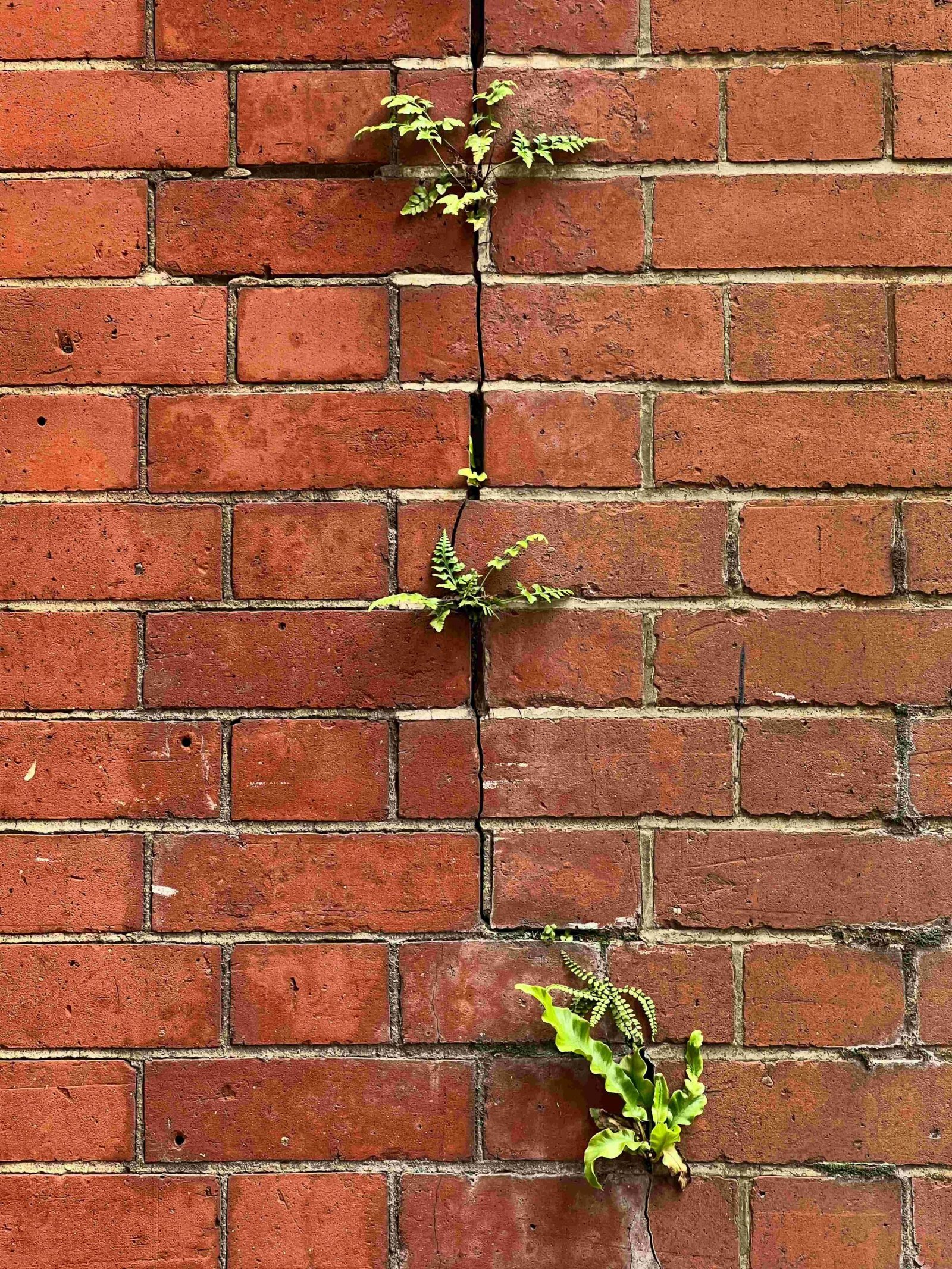
Sometimes, resilience quotes give you the words you need when you can’t find your own. They might encourage you to start over, remind you it’s okay to rest, or show that others have faced tough times and spoken honestly about them.
Here are 80 short quotes and literary extracts about hope, courage, change, and perseverance. Choose the one that speaks to you today. You don’t need to connect with every single one.
If you like reminders in simple language, our positive morning affirmations are also a good place to start.
A note on the quotations and their sources
Each numbered excerpt links to the original work where the wording was checked. The collection comes from older poems, novels, essays, and memoirs. Some entries are just a line or part of a sentence. The original capitalization, spelling, and dialect are kept, and line breaks have been removed for easier reading.
Fictional speakers are named so their words aren’t mistaken for the author’s own advice. Translations are credited, since English versions can differ. These quotes offer literary perspectives to think about, not promises of recovery or instructions for every situation. Rest, practical help, and asking for support are important too.
Resilience quotes for holding on to hope
Hope can be quiet. It’s about leaving space for tomorrow, not always knowing how things will turn out.
- “Hope is the thing with feathers” — Emily Dickinson, https://poets.org/poem/hope-thing-feathers-254“Hope” is the thing with feathers.
- “And never stops at all” — Emily Dickinson, https://poets.org/poem/hope-thing-feathers-254“Hope” is the thing with feathers. The line continues Dickinson’s image of hope as a singing bird.
- “Behind the clouds is the sun still shining;” — Henry Wadsworth Longfellow, https://www.hwlongfellow.org/poems_poem.php?pid=39The Rainy Day.
- “Into each life some rain must fall,” — Henry Wadsworth Longfellow, https://www.hwlongfellow.org/poems_poem.php?pid=39The Rainy Day.
- “tomorrow is a new day with no mistakes in it yet” — L. M. Montgomery, https://standardebooks.org/ebooks/l-m-montgomery/anne-of-green-gables/text/single-page#chapter-21Anne of Green Gables (chapter XXI; speaker: Anne Shirley).
- “Next to trying and winning, the best thing is trying and failing.” — L. M. Montgomery, https://standardebooks.org/ebooks/l-m-montgomery/anne-of-green-gables/text/single-page#chapter-35Anne of Green Gables (chapter XXXV; speaker: Anne Shirley).
- “Wait and hope.” — Alexandre Dumas, https://standardebooks.org/ebooks/alexandre-dumas/the-count-of-monte-cristo/chapman-and-hall/text/single-page#chapter-117The Count of Monte Cristo (chapter CXVII; translated by Chapman and Hall; speaker: The Count, in his farewell letter).
- “I am not proud, but I am happy” — Alexandre Dumas, https://standardebooks.org/ebooks/alexandre-dumas/the-count-of-monte-cristo/chapman-and-hall/text/single-page#chapter-3The Count of Monte Cristo (chapter III; translated by Chapman and Hall; speaker: Edmond Dantès).
Quotes about courage and learning
These writers use storms, journeys, and everyday choices to explore courage. Their words encourage personal agency, but remember that your situation and the people around you also shape what’s possible.
- “I am the master of my fate” — William Ernest Henley, https://poets.org/poem/invictusInvictus.
- “I am the captain of my soul.” — William Ernest Henley, https://poets.org/poem/invictusInvictus.
- “The true courage is in facing danger when you are afraid” — L. Frank Baum, https://standardebooks.org/ebooks/l-frank-baum/the-wonderful-wizard-of-oz/text/single-page#chapter-15The Wonderful Wizard of Oz (chapter XV; speaker: The Wizard).
- “Experience is the only thing that brings knowledge” — L. Frank Baum, https://standardebooks.org/ebooks/l-frank-baum/the-wonderful-wizard-of-oz/text/single-page#chapter-15The Wonderful Wizard of Oz (chapter XV; speaker: The Wizard).
- “I’m not afraid of storms, for I’m learning how to sail my ship.” — Louisa May Alcott, https://standardebooks.org/ebooks/louisa-may-alcott/little-women/text/single-page#chapter-44Little Women (chapter XLIV; speaker: Amy March).
- “love is a great beautifier” — Louisa May Alcott, https://standardebooks.org/ebooks/louisa-may-alcott/little-women/text/single-page#chapter-24Little Women (chapter XXIV; speaker: Narrator).
- “Remember that in life you ought to behave as at a banquet.” — Epictetus, https://standardebooks.org/ebooks/epictetus/short-works/george-long/text/single-page#the-enchiridion-15Enchiridion (chapter XV; translated by George Long). The banquet is a metaphor for how to receive what life brings.
- “Everything has two handles” — Epictetus, https://standardebooks.org/ebooks/epictetus/short-works/george-long/text/single-page#the-enchiridion-43Enchiridion (chapter XLIII; translated by George Long). The “handles” represent different ways of approaching the same event.
Quotes for beginning again
A fresh start could be saying sorry, getting back into a routine, or picking a small task to begin with. You get to set the pace.
- “I am not the man I was.” — Charles Dickens, https://standardebooks.org/ebooks/charles-dickens/a-christmas-carol/text/single-page#chapter-4A Christmas Carol (Stave IV; speaker: Ebenezer Scrooge).
- “I will live in the Past, the Present, and the Future.” — Charles Dickens, https://standardebooks.org/ebooks/charles-dickens/a-christmas-carol/text/single-page#chapter-4A Christmas Carol (Stave IV; speaker: Ebenezer Scrooge).
- “Build to-day, then, strong and sure,” — Henry Wadsworth Longfellow, https://americanliterature.com/author/henry-wadsworth-longfellow/poem/the-buildersThe Builders.
- “Let us do our work as well” — Henry Wadsworth Longfellow, https://americanliterature.com/author/henry-wadsworth-longfellow/poem/the-buildersThe Builders.
- “To strive, to seek, to find, and not to yield.” — Alfred, Lord Tennyson, https://poets.org/poem/ulyssesUlysses (speaker: Ulysses, the poetic speaker).
- “Though much is taken, much abides” — Alfred, Lord Tennyson, https://poets.org/poem/ulyssesUlysses (speaker: Ulysses, the poetic speaker).
- “never do tomorrow what you can do today” — Charles Dickens, https://standardebooks.org/ebooks/charles-dickens/david-copperfield/text/single-page#chapter-12David Copperfield (chapter XII; speaker: Wilkins Micawber). Micawber offers this advice in comic dialogue; the novel also shows his own difficulties managing affairs.
- “We must meet reverses boldly, and not suffer them to frighten us” — Charles Dickens, https://standardebooks.org/ebooks/charles-dickens/david-copperfield/text/single-page#chapter-34David Copperfield (chapter XXXIV; speaker: Betsey Trotwood).
Quotes for making room to rest
These lines focus on space, stillness, and paying attention. They’re meant to help you pause. Our self-care Sunday ideas offer practical ways to make room for that.
- “I love a broad margin to my life.” — Henry David Thoreau, https://standardebooks.org/ebooks/henry-david-thoreau/walden/text/single-page#soundsWalden (Sounds).
- “Only that day dawns to which we are awake.” — Henry David Thoreau, https://standardebooks.org/ebooks/henry-david-thoreau/walden/text/single-page#conclusionWalden (Conclusion).
- “I will arise and go now” — W. B. Yeats, https://poets.org/poem/lake-isle-innisfreeThe Lake Isle of Innisfree.
- “And I shall have some peace there” — W. B. Yeats, https://poets.org/poem/lake-isle-innisfreeThe Lake Isle of Innisfree.
- “What is this life if, full of care,” — W. H. Davies, https://www.library.wales/catalogues-searching/about-our-collections/archives/archives-of-welsh-writers-in-english/w-h-davies-manuscriptsLeisure.
- “We have no time to stand and stare.” — W. H. Davies, https://www.library.wales/catalogues-searching/about-our-collections/archives/archives-of-welsh-writers-in-english/w-h-davies-manuscriptsLeisure.
- “Getting and spending, we lay waste our powers;” — William Wordsworth, https://poets.org/poem/world-too-much-usThe World Is Too Much With Us.
- “Little we see in Nature that is ours;” — William Wordsworth, https://poets.org/poem/world-too-much-usThe World Is Too Much With Us.
Quotes about self-respect and growth
Think about what you want to protect in yourself as life changes. Setting boundaries, showing kindness, and being open to learning can all happen in one day.
- “Trust thyself: every heart vibrates to that iron string.” — Ralph Waldo Emerson, https://standardebooks.org/ebooks/ralph-waldo-emerson/essays/text/single-page#self-relianceEssays (“Self-Reliance”).
- “Nothing can bring you peace but yourself.” — Ralph Waldo Emerson, https://standardebooks.org/ebooks/ralph-waldo-emerson/essays/text/single-page#self-relianceEssays (“Self-Reliance”). Emerson is making an argument for self-trust. You can value that while also accepting support.
- “I care for myself.” — Charlotte Brontë, https://standardebooks.org/ebooks/charlotte-bronte/jane-eyre/text/single-page#chapter-27Jane Eyre (chapter XXVII; speaker: Jane Eyre).
- “I am no bird; and no net ensnares me” — Charlotte Brontë, https://standardebooks.org/ebooks/charlotte-bronte/jane-eyre/text/single-page#chapter-23Jane Eyre (chapter XXIII; speaker: Jane Eyre).
- “I can be a princess inside.” — Frances Hodgson Burnett, https://standardebooks.org/ebooks/frances-hodgson-burnett/a-little-princess/text/single-page#chapter-11A Little Princess (chapter XI; speaker: Sara Crewe).
- “To be kind is worth a great deal to other people.” — Frances Hodgson Burnett, https://standardebooks.org/ebooks/frances-hodgson-burnett/a-little-princess/text/single-page#chapter-15A Little Princess (chapter XV; speaker: Sara Crewe).
- “Build thee more stately mansions, O my soul,” — Oliver Wendell Holmes, https://poets.org/poem/chambered-nautilusThe Chambered Nautilus.
- “Leave thy low-vaulted past!” — Oliver Wendell Holmes, https://poets.org/poem/chambered-nautilusThe Chambered Nautilus.
Quotes for keeping a dream in view
Sometimes a dream needs a new approach, more time, or help from someone else. These words can help us keep something important in sight.
- “Hold fast to dreams” — Langston Hughes, https://poets.org/poem/dreamsDreams.
- “Life is a broken-winged bird” — Langston Hughes, https://poets.org/poem/dreamsDreams. In the poem, this image follows the condition that dreams die; it is not a description of all life.
- “And now at length I rise! I wake!” — Georgia Douglas Johnson, https://poets.org/poem/calling-dreamsCalling Dreams.
- “And stride into the morning break!” — Georgia Douglas Johnson, https://poets.org/poem/calling-dreamsCalling Dreams.
- “Let me not lose my dream” — Georgia Douglas Johnson, https://poets.org/poem/let-me-not-lose-my-dreamLet Me Not Lose My Dream.
- “Let me not falter” — Georgia Douglas Johnson, https://poets.org/poem/let-me-not-lose-my-dreamLet Me Not Lose My Dream.
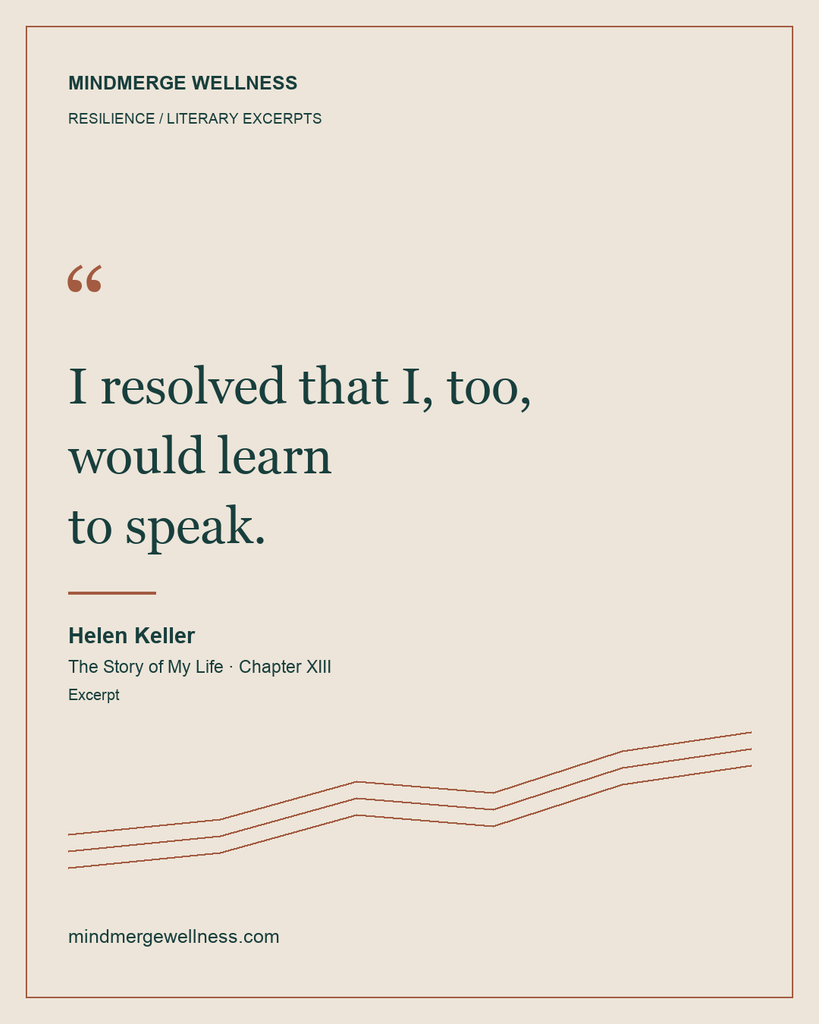
- “I resolved that I, too, would learn to speak.” — Helen Keller, https://standardebooks.org/ebooks/helen-keller/the-story-of-my-life/text/single-page#chapter-1-13The Story of My Life (chapter XIII).
- “Thus I learned from life itself.” — Helen Keller, https://standardebooks.org/ebooks/helen-keller/the-story-of-my-life/text/single-page#chapter-1-7The Story of My Life (chapter VII).
Quotes that leave space for difficult feelings
A line can be hopeful and still carry sadness. Dunbar’s ‘caged bird’ image shows both confinement and the longing for freedom. It’s worth reading this line in the full context of the poem.
- “Nothing is so painful to the human mind as a great and sudden change.” — Mary Shelley, https://standardebooks.org/ebooks/mary-shelley/frankenstein/text/single-page#chapter-23Frankenstein (chapter XXIII; speaker: Victor Frankenstein, narrating).
- “I must try to think of something else.” — Mary Shelley, https://standardebooks.org/ebooks/mary-shelley/frankenstein/text/single-page#introductionFrankenstein (Introduction; speaker: Mary Shelley, describing her writing process). Shelley is describing her search for a story idea in the introduction, rather than giving advice about grief.
- “I know what the caged bird feels!” — Paul Laurence Dunbar, https://poets.org/poem/sympathySympathy.
- “But a prayer that he sends from his heart’s deep core” — Paul Laurence Dunbar, https://poets.org/poem/sympathySympathy. Dunbar describes the caged bird’s song as a prayer for freedom.
- “Life, believe, is not a dream” — Charlotte Brontë, https://poets.org/poem/life-2Life.
- “Yet Hope again elastic springs,” — Charlotte Brontë, https://poets.org/poem/life-2Life.
- “we need never be ashamed of our tears” — Charles Dickens, https://standardebooks.org/ebooks/charles-dickens/great-expectations/text/single-page#chapter-19Great Expectations (chapter XIX; speaker: Pip, narrating).
- “you and me is always friends” — Charles Dickens, https://standardebooks.org/ebooks/charles-dickens/great-expectations/text/single-page#chapter-2Great Expectations (chapter II; speaker: Joe Gargery).
Quotes for meeting change
Some of these lines call for patience, while others focus on taking action. Choose what fits your situation and leave the rest. Advice from a book or a fictional character doesn’t have to become your rule for living.
- “All things are change, yet we need not fear anything new.” — Marcus Aurelius, https://standardebooks.org/ebooks/marcus-aurelius/meditations/george-long/text/single-page#book-8Meditations (Book VIII; translated by George Long).
- “Do not disturb thyself by thinking of the whole of thy life.” — Marcus Aurelius, https://standardebooks.org/ebooks/marcus-aurelius/meditations/george-long/text/single-page#book-8Meditations (Book VIII; translated by George Long).
- “We none of us expect to be in smooth water all our days.” — Jane Austen, https://standardebooks.org/ebooks/jane-austen/persuasion/text/single-page#chapter-8Persuasion (chapter VIII; speaker: Mrs. Croft).
- “time will explain” — Jane Austen, https://standardebooks.org/ebooks/jane-austen/persuasion/text/single-page#chapter-16Persuasion (chapter XVI; speaker: Lady Russell). Lady Russell says this while reflecting on Elizabeth Elliot’s prospects.
- “If you can meet with triumph and disaster” — Rudyard Kipling, https://poets.org/poem/ifIf—.
- “And lose, and start again at your beginnings” — Rudyard Kipling, https://poets.org/poem/ifIf—.
- “When I rise up above the earth,” — Georgia Douglas Johnson, https://poets.org/poem/when-i-riseWhen I Rise Up.
- “I beat my wings upon the air,” — Georgia Douglas Johnson, https://poets.org/poem/when-i-riseWhen I Rise Up.
Quotes about companionship and everyday care
Notice the offers of friendship and trust in these lines. Browning’s hopeful speaker shares a poetic view of aging, not a prediction of anyone’s future.
- “I think I shall trusten till I die” — George Eliot, https://standardebooks.org/ebooks/george-eliot/silas-marner/text/single-page#chapter-21Silas Marner (chapter XXI; speaker: Silas Marner).
- “to do the right thing as fur as we know” — George Eliot, https://standardebooks.org/ebooks/george-eliot/silas-marner/text/single-page#chapter-16Silas Marner (chapter XVI; speaker: Dolly Winthrop).
- “do your best wherever it is” — Anna Sewell, https://standardebooks.org/ebooks/anna-sewell/black-beauty/text/single-page#chapter-3Black Beauty (chapter III; speaker: Duchess, Black Beauty’s mother).
- “If in any way I can help you, write to me.” — Anna Sewell, https://standardebooks.org/ebooks/anna-sewell/black-beauty/text/single-page#chapter-21Black Beauty (chapter XXI; speaker: Squire Gordon).
- “when I come again, I come as a friend.” — Elizabeth Gaskell, https://standardebooks.org/ebooks/elizabeth-gaskell/north-and-south/text/single-page#chapter-16North and South (chapter XVI; speaker: Dr. Donaldson).
- “I must do something!” — Elizabeth Gaskell, https://standardebooks.org/ebooks/elizabeth-gaskell/north-and-south/text/single-page#chapter-4North and South (chapter IV; speaker: Mr. Hale). Mr. Hale is speaking about finding an occupation after leaving his parish.
- “Grow old along with me!” — Robert Browning, https://poets.org/poem/rabbi-ben-ezraRabbi Ben Ezra (speaker: Rabbi Ben Ezra, the poetic speaker).
- “The best is yet to be” — Robert Browning, https://poets.org/poem/rabbi-ben-ezraRabbi Ben Ezra (speaker: Rabbi Ben Ezra, the poetic speaker).
Quotes about persistence and freedom
Douglass wrote about learning to read and write while enslaved. Hughes’ poems also reflect the challenges of racial barriers and unequal opportunity. Remember their histories when reading these words, rather than seeing them as simple advice for everyday problems.
- “Meanwhile, I would learn to write.” — Frederick Douglass, https://standardebooks.org/ebooks/frederick-douglass/narrative-of-the-life-of-frederick-douglass/text/single-page#chapter-7Narrative of the Life of Frederick Douglass (chapter VII).
- “The silver trump of freedom had roused my soul to eternal wakefulness.” — Frederick Douglass, https://standardebooks.org/ebooks/frederick-douglass/narrative-of-the-life-of-frederick-douglass/text/single-page#chapter-7Narrative of the Life of Frederick Douglass (chapter VII).
- “Help me to shatter this darkness,” — Langston Hughes, https://poets.org/poem/i-grew-olderAs I Grew Older.
- “Into a thousand lights of sun,” — Langston Hughes, https://poets.org/poem/i-grew-olderAs I Grew Older. The image belongs to the speaker’s wish to recover a dream obscured by a wall.
- “Life for me ain’t been no crystal stair.” — Langston Hughes, https://poets.org/poem/mother-sonMother to Son (speaker: The mother, addressing her son).
- “I’se still climbin’,” — Langston Hughes, https://poets.org/poem/mother-sonMother to Son (speaker: The mother, addressing her son).
- “Let us, then, be up and doing” — Henry Wadsworth Longfellow, https://poets.org/poem/psalm-lifeA Psalm of Life.
- “Learn to labor and to wait.” — Henry Wadsworth Longfellow, https://poets.org/poem/psalm-lifeA Psalm of Life.
How to use a resilience quote today
Choose one line and ask yourself three questions:
- What does this bring to mind? Name the situation without trying to make it sound more positive.
- Which part feels true for me? You can disagree with a quotation, or find that it belongs to a different season of your life.
- What would help next? Choose something concrete: send a message, eat lunch, ask for more time, rest, or spend five minutes on a task.
Write your own response underneath the quotation. For example: “Today, beginning again means opening the document and writing one sentence.” Keep your response separate from the author’s words if you share it.
For contemporary wording you can adapt, browse our short mental health reminders. Those are original reflections, rather than historical quotations.
Shareable resilience quote cards
You can save a card as a personal reminder or share it with someone who might appreciate it. Each image shows the author and the work, and the source links are listed with the quotes above.

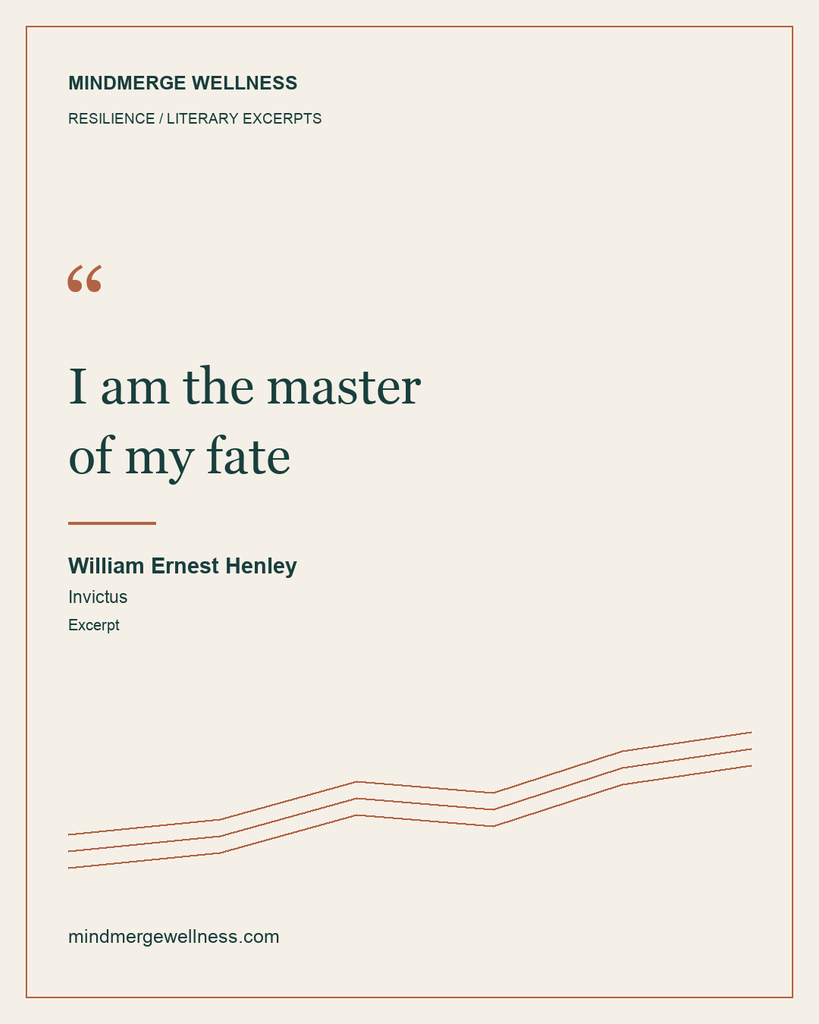
Download all three quote cards.
Which line would you keep?
You don’t have to save all 80 quotes. Keep the one that brings you some clarity, helps you express a feeling, or reminds you of someone you trust. It can sit next to a plan, a conversation, or a quiet afternoon.
Sources
The origin of every numbered quotation is linked inline. Prose quotations were checked against the full texts at Standard Ebooks. Poetry sources include the Academy of American Poets, the Maine Historical Society’s Longfellow collection, American Literature’s text of “The Builders,” and the National Library of Wales’s quotation from “Leisure.” Novel dialogue and poetic speakers are labeled where applicable.

Hi, I’m Brittany Larsen, a passionate blogger and content creator dedicated to writing meaningful and engaging articles. I specialize in topics like mental health, wellness, and personal development, aiming to inspire and empower my readers through relatable stories and practical advice.