Now Reading: Ujjayi Breathing: How to Do Ocean Breath Step by Step
-
01
Ujjayi Breathing: How to Do Ocean Breath Step by Step
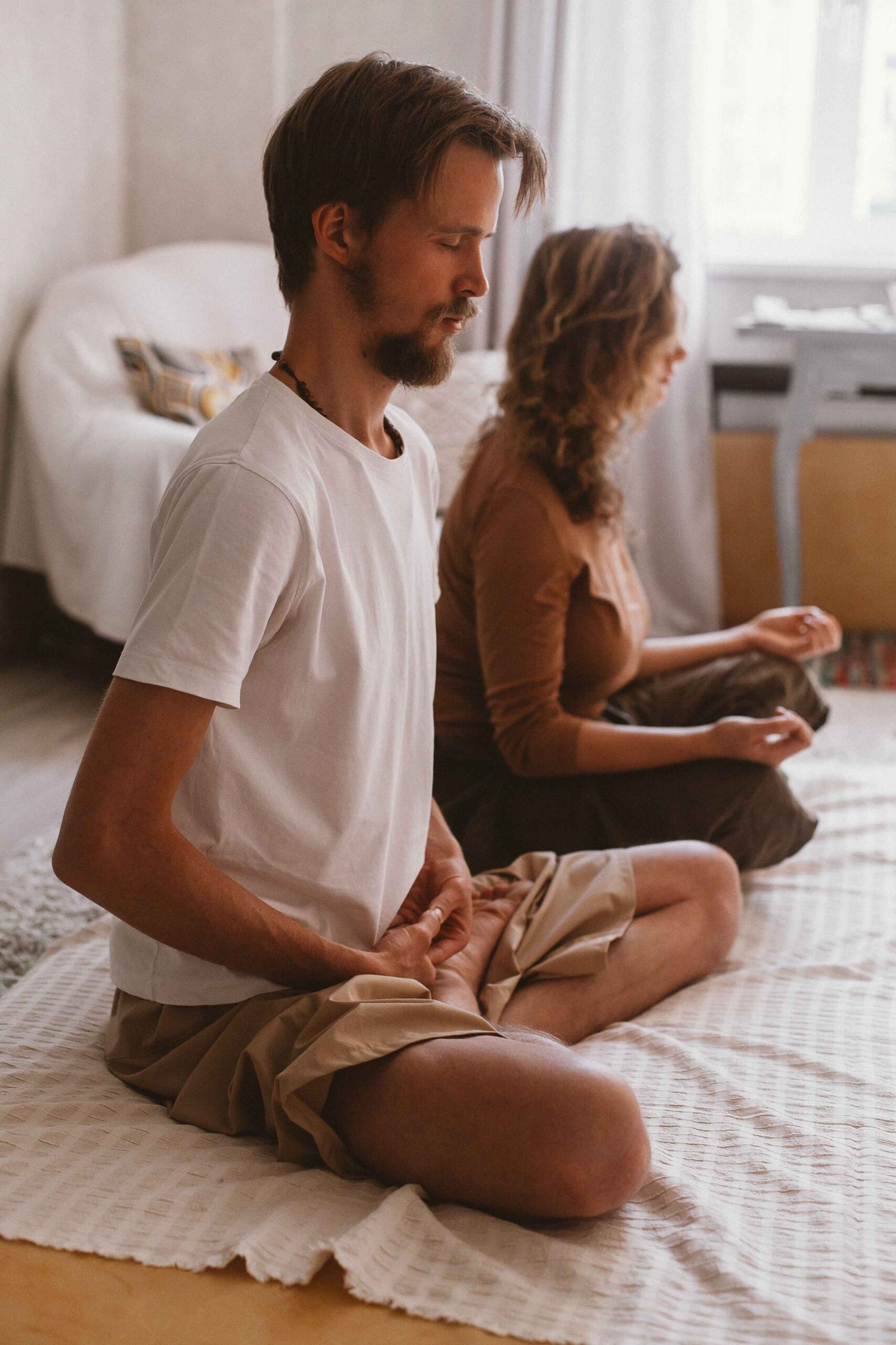
Ujjayi breathing is a yoga technique where you gently narrow the back of your throat to create a soft, ocean-like sound as you breathe through your nose. Start by sitting and trying a gentle open-mouth exhale, like you’re fogging up your glasses. Then, close your mouth and keep that same light feeling, making sure not to strain.
The sound should be quiet. You don’t have to take a huge breath, hold it, or make the sound loud. Just take a few comfortable breaths and return to normal breathing whenever you want.
What is ujjayi breathing?
Ujjayi is a type of pranayama, or breath control, in yoga. It’s often called the victorious breath or ocean breath. Usually, you gently narrow your throat to shape the breath as you inhale and exhale. Your nostrils stay open and your mouth stays gently closed.
Yoga teacher Sandra Anderson describes the sound as very subtle and the breathing as very smooth in her introduction to Ujjayi pranayama. The throat adjustment is very gentle and does not block the airway.
Different yoga traditions may give different instructions. This guide is a simple introduction, without breath retention or set breathing ratios. A qualified teacher can help you learn more in person.
What should ocean breath sound and feel like?
Think of a very faint, breathy whisper rather than a loud snore. The air should be flowing continuously and the sound should be produced without a clenched jaw or a tight throat. Saagara’s ujjayi practice guide also stresses the importance of a quiet sound, nasal airflow and avoiding a tight squeeze.
The sound is just something to notice, not something to make louder. If trying to make it louder makes your breathing uncomfortable, ease up or return to normal breathing.
For a listening practice that doesn’t require you to change your breath at all, our sound bath meditation guide is a very different way of looking at sound and attention.
How to do ujjayi breathing step by step
Read the steps before you try them. Sit somewhere safe where you can pause and focus fully on the exercise.
1. Find a supported seat
Sit in a chair or any comfortable position. Let your head rest naturally on your shoulders and relax your jaw. You can keep your eyes open if you want.
Start by taking a few normal breaths. You don’t need to sit cross-legged or change your posture from what feels natural.
2. Explore a gentle open-mouth exhale
Take a normal breath in. Open your mouth and gently exhale, like you’re fogging up glasses. Notice the light feeling at the back of your throat, but don’t force the air out.
The VA’s ocean breath guide uses the fogging-glasses idea to teach the throat action. Keep this part short and comfortable.
3. Close your mouth and try the exhale through your nose
After another easy inhale, gently close your lips. Try to keep a bit of that throat feeling as you exhale through your nose.
You may only hear a faint sound. If your breath feels blocked, relax your throat. Don’t try to breathe in harder or force a longer exhale.
Yoga teacher Jivana Heyman’s accessible pranayama instructions are to learn the sound with the mouth open first and then close it, starting with the exhalation.
4. Explore the inhale only when the exhale feels easy
If you feel comfortable, try the same gentle throat adjustment as you inhale through your nose. Let the air move smoothly and don’t take a big breath just to make a sound.
It’s fine to practice just the exhale at first. You don’t have to learn both inhale and exhale right away.
5. Try a few easy cycles
If the technique feels good, try up to three gentle inhale and exhale cycles to start. Stop whenever you want. This number is just a suggestion, not a tested amount.
Keep your breathing comfortable and steady. You don’t need to pause, hold your breath, empty your lungs, or count seconds.
6. Release the technique
Relax your throat and let your breathing return to normal. Notice if the practice felt easy, hard, or not helpful before deciding to try it again.
You can stop here. If you prefer focusing on words instead of breath, our loving kindness meditation guide offers short wishes of goodwill you can use with normal, comfortable breathing.
Common difficulties and what to change
| What you notice | A practical response |
| You can’t hear an ocean sound | Reduce the pressure to produce it. Revisit one gentle open-mouth exhale, or ask a qualified teacher to demonstrate |
| Your jaw, neck, or shoulders tighten | Release the technique and return to ordinary breathing before trying again |
| The exhale works but the inhale feels awkward | Leave the inhale unmodified while learning; don’t pull air in forcefully |
| Your nose is blocked | Skip nasal ujjayi for now rather than forcing airflow |
| Your throat feels sore or scratchy | Stop the practice; seek advice if discomfort persists |
| You feel dizzy, breathless, panicky, or otherwise unwell | Stop, resume ordinary breathing, and get appropriate help if symptoms are concerning or do not settle |
These are reasons to change your approach or stop, not to try harder. A written guide can’t know how you’re breathing or why you have certain symptoms.
What are the benefits and what does the research actually show?
The sound can help you focus and notice if you’re forcing your breath. You can simply observe whether you like this focus; you don’t need to create any special feeling.
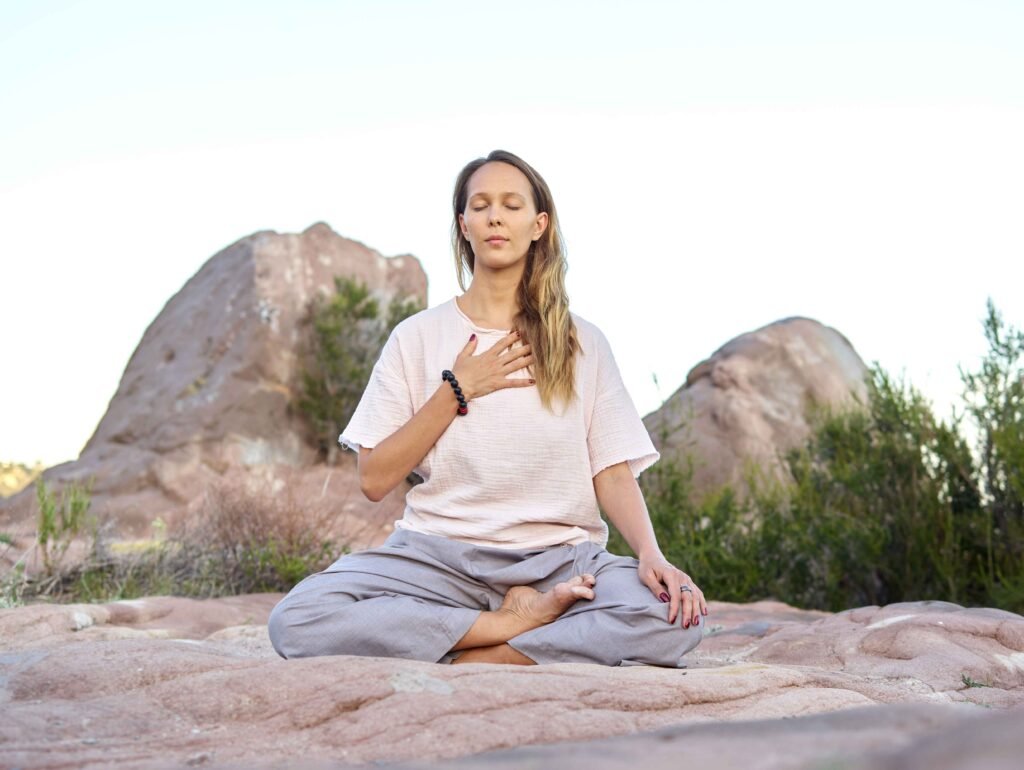
Research does not show extra benefits from ujjayi compared to slow breathing. Mason et al’s 2013 study with 17 healthy yoga beginners found little added benefit from ujjayi over regular slow breathing. See the original study.
This small, short-term study does not show that ujjayi treats anxiety, sleep problems, heart, or lung conditions. It also does not suggest that beginners should copy the lab breathing rate. The authors note they only measured short-term effects, not long-term results.
Ujjayi is an optional yoga or wellness practice and does not replace professional care. Claims about detoxing, curing illness, or resetting the nervous system go beyond what the evidence here supports.
When would you get advice prior to trying it?
NCCIH advises beginners to avoid forced breathing and to learn yoga with a qualified instructor. Anyone who is pregnant or has a health condition should talk to their healthcare provider and instructor about their situation. See their yoga safety guidance.
If you have a heart, lung, blood pressure, or throat condition, or have breathing restrictions, ask your doctor if this technique is right for you. A yoga teacher can help with the technique but cannot replace medical advice.
If focusing on your breath causes distress, try a different practice and seek support if needed. Our mindfulness exercises for work breaks include walking and noticing your surroundings, so you can pick an activity that doesn’t involve focusing on your breath.
Download the printable ocean breath step card
Download the ujjayi breathing step card.
The one-page card lists the 6 steps and reminds you to keep it gentle, skip breath holds, and stop if you feel uncomfortable. Read the full guidance above first. The card is just a reminder to keep the practice light, not a custom breathing plan.
Common questions about ujjayi breathing
Do you breathe through your mouth or your nose?
The usual way is to breathe through your nose with your mouth gently closed. The open-mouth exhale is just to help you find the throat feeling. Once you have it, you don’t need to keep making the open-mouth sound.
Should you hold your breath?
This beginner exercise does not include any breath holds. Some pranayama uses breath retention, but that’s something to learn separately with guidance. Keep this practice as simple as you can.
How long should you actually practice?
Begin with a few comfortable breaths, then let go of the technique. There’s no set minimum time for this practice. If you want to practice longer, talk to a qualified teacher once you feel comfortable.
Can you do ujjayi during the asanas?
Some yoga classes use ujjayi with movement. Learn it while seated first, and ask your teacher how to use it in class. If matching your breath to movement feels hard, return to normal breathing and make the movement easier if needed.
Is it the same as ordinary deep breathing?
Ujjayi involves a gentle throat adjustment and an audible breath. You can focus on comfortable breathing without these extras. You don’t need a bigger breath or louder sound to pay attention to your breath.
For your first try, sit in a supported seat and try one gentle exhale. Let your comfort guide whether you keep going.
Sources
- VA War Related Illness and Injury Study Center: Controlled Breathing Techniques—Ocean Breath section
- Jivana Heyman, Yoga International: Making Pranayama Accessible
- Sandra Anderson, Yoga International: Ujjayi Pranayama—Victory Breath
- Saagara: Ujjayi Breathing—How to Practice the Ocean Breath
- Mason and colleagues, 2013: Cardiovascular and Respiratory Effect of Yogic Slow Breathing in the Yoga Beginner
- NCCIH: Yoga—Effectiveness and Safety

Hi, I’m Brittany Larsen, a passionate blogger and content creator dedicated to writing meaningful and engaging articles. I specialize in topics like mental health, wellness, and personal development, aiming to inspire and empower my readers through relatable stories and practical advice.