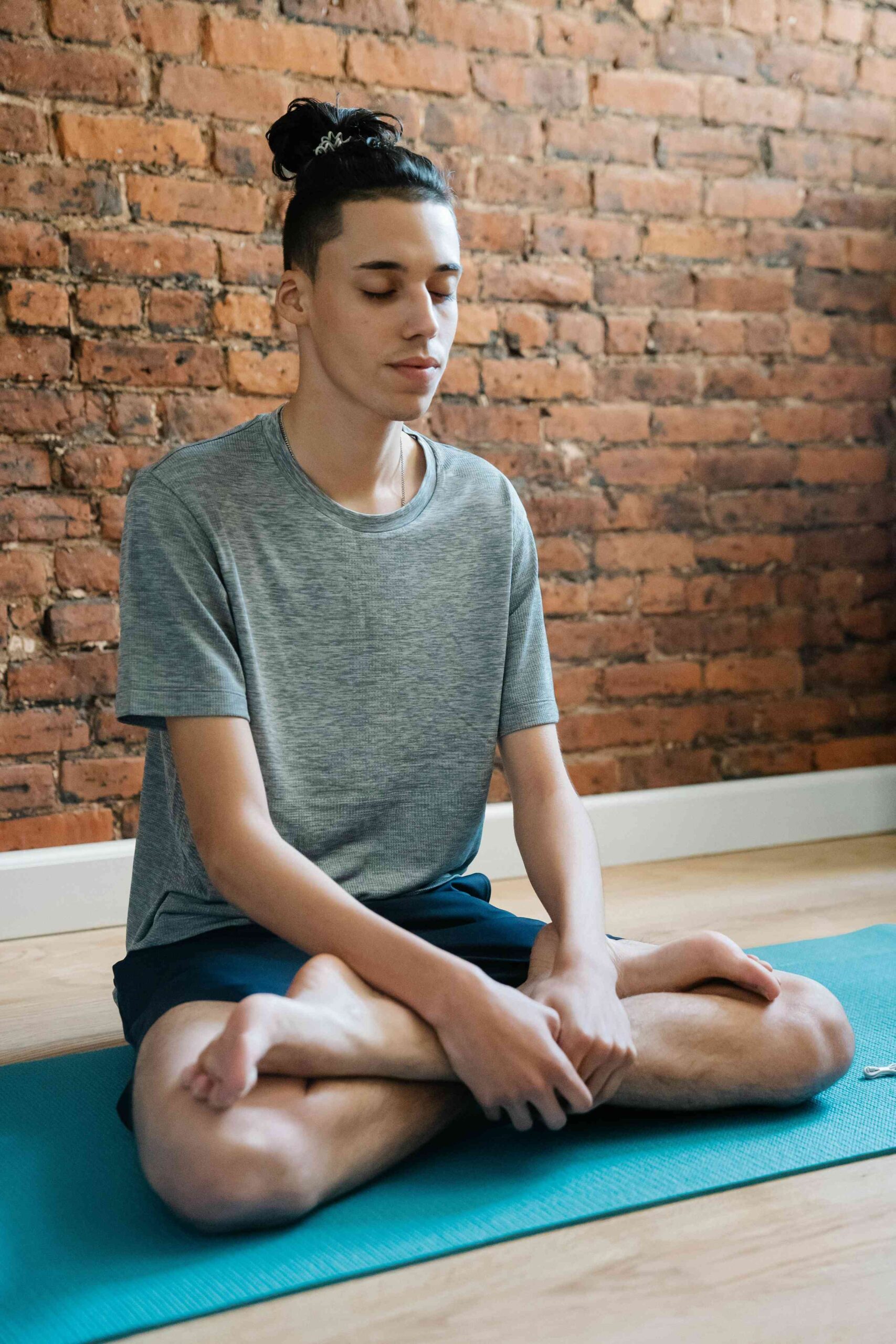
Now Reading: Mindfulness Group Activities: Simple Ways to Connect and Relax
-
01
Mindfulness Group Activities: Simple Ways to Connect and Relax

Introduction
Life moves quickly these days, and it can feel overwhelming. Many people deal with stress, distractions, and emotional challenges. In schools, workplaces, and families, it’s common to feel disconnected from others.
Mindfulness group activities can make a difference. They bring people together and help everyone feel calmer. These activities encourage us to slow down, focus on our breath, and pay attention to the present moment.

The American Psychological Association (APA) says that mindfulness practices can lower stress and boost well-being. You can read more at https://www.apa.org. Because of this, mindfulness group activities are a great way to support mental health and build connections.
What Are Mindfulness Group Activities?
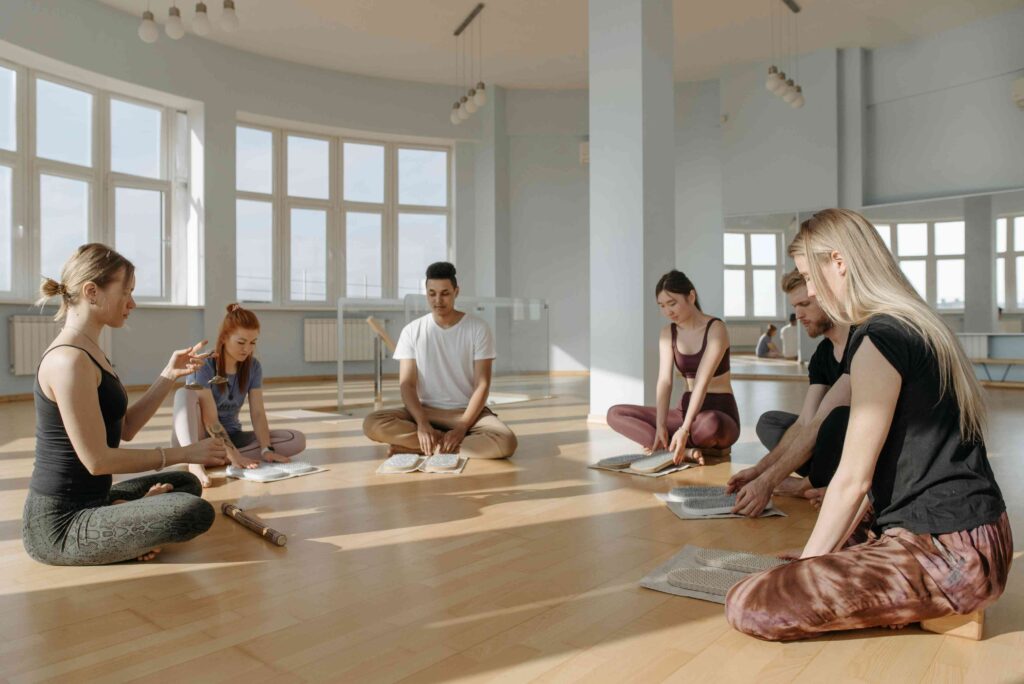
Mindfulness group activities are easy exercises people do together to stay present and aware. Unlike practicing alone, these activities focus on sharing the experience with others.
You can try these activities in classrooms, therapy groups, offices, or at home. The main goal is to create a safe, supportive space where everyone can relax and connect.
No special skills are needed for these activities. Anyone can join in and benefit from mindfulness group activities.
Benefits of Mindfulness Group Activities
Reduces Stress and Anxiety
People of all ages experience stress. Mindfulness group activities can help calm the mind and ease anxiety.
Research from the National Institute of Mental Health (NIMH) shows that stress management techniques like mindfulness can improve emotional health. Learn more here: https://www.nimh.nih.gov.
Builds Emotional Awareness
Practicing mindfulness together helps people notice their thoughts and feelings more clearly.
Mindfulness group activities teach participants to notice emotions without judging them. This can lead to better control over emotions.
Improves Social Connection
A major benefit of mindfulness group activities is building connections. They encourage empathy, listening, and understanding among participants.
People feel seen and heard, which strengthens relationships.
Enhances Focus and Productivity
Mindfulness helps people pay better attention. When we feel calm, it’s easier to focus on what we need to do.
This is especially useful in schools and workplaces.
20 Best Mindfulness Group Activities
1. Trace Your Breath
For this activity, participants pay attention to their breathing, noticing each inhale and exhale.
This is one of the easiest mindfulness group activities for beginners.
2. Mindful Listening Circle
Group members take turns speaking while others listen without interrupting.
This builds attention and respect.
3. Pinwheel Breathing
Participants use a pinwheel to practice deep breathing. It gives a visual way to understand breath control.
4. Body Scan Meditation
Everyone pays attention totion to different parts of their body. This helps boost awareness.
5. Nature Walk Awareness
Taking a walk in nature as a group encourages everyone to observe their surroundings. Participants notice sounds, colors, and smells.
6. Mindful Coloring Session
Coloring helps calm the mind. It is one of the most relaxing mindfulness group activities for all ages.
7. Mindful Eating Exercise
Participants pay close attention to the taste, smell, and texture of their food. This simple activity helps build awareness.
8. Mindful Music Experience
The group listens closely to music, focusing on the rhythm, tone, and emotions it brings up.
9. Freeze Dance Mindfulness
Participants dance freely and then freeze when the music stops. This activity combines movement with mindfulness.
10. Five Senses Exercise
Participants identify things they can see, hear, feel, smell, and taste. This brings attention to the present moment.
11. Gratitude Sharing Circle
Each person shares something they feel grateful for, which helps create positive feelings.
12. Mindful Journaling
Participants write down their thoughts and feelings. Sharing with the group is optional.
13. Guided Meditation Session
A leader guides the group through a meditation. This is one of the most structured mindfulness group activities.
14. STOP Technique Practice
Participants practice stopping, breathing, observing, and proceeding mindfully.
15. Square Breathing Exercise
This breathing exercise follows a set pattern and helps calm the nervous system.
16. Mindfulness Bingo
Participants complete different mindfulness tasks, making the activity fun and engaging.
17. Mindful Observation Game
Participants observe small details around them. This improves awareness.
18. Emotion Awareness Activity
Participants identify and discuss emotions. This builds emotional intelligence.
19. Group Yoga Session
Simple yoga movements help people connect their body and mind.
20. Mindfulness Scavenger Hunt
Participants look for objects that match mindfulness prompts, making learning more interactive.
How to Run Mindfulness Group Activities Successfully
To run mindfulness group activities well, keep things simple. Give clear instructions and speak in a calm tone.
Make sure everyone feels comfortable by creating a safe space. Avoid judging and encourage people to be open.
Keep sessions short, about 10 to 20 minutes, to help everyone stay focused and engaged.
Best Settings for Mindfulness Group Activities
Mindfulness group activities can be done in many places. Classrooms are a great choice for students.
Workplaces can use these activities to lower stress and improve teamwork. Families can also try them together at home.
These activities are flexible and easy to adapt.
Common Challenges and How to Overcome Them
Some people may feel uncomfortable at first. This is normal.
Begin with simple, fun mindfulness group activities. Keep sessions short and interesting.
Being consistent helps people feel more comfortable as time goes on.
Final Thoughts
Mindfulness group activities offer a simple way to bring calm and connection into daily life. They help reduce stress, improve focus, and strengthen relationships.
With so many distractions around us, these shared moments of mindfulness can really make a difference. They remind us to slow down and connect with ourselves and those around us.
Try starting with one activity and add more as you go. Over time, mindfulness group activities can become a valuable part of your routine.
Helpful Video
Transformation Through Mindfulness – TEDx Talks
References
- American Psychological Association (APA) – Mindfulness & Stress
https://www.apa.org - National Institute of Mental Health (NIMH)
https://www.nimh.nih.gov - Mindful.org – Mindfulness Practices
https://www.mindful.org - Greater Good Science Center (UC Berkeley)
https://greatergood.berkeley.edu

Hi, I’m Brittany Larsen, a passionate blogger and content creator dedicated to writing meaningful and engaging articles. I specialize in topics like mental health, wellness, and personal development, aiming to inspire and empower my readers through relatable stories and practical advice.