Now Reading: How to Start Going to the Gym: A Beginner’s Guide
-
01
How to Start Going to the Gym: A Beginner’s Guide
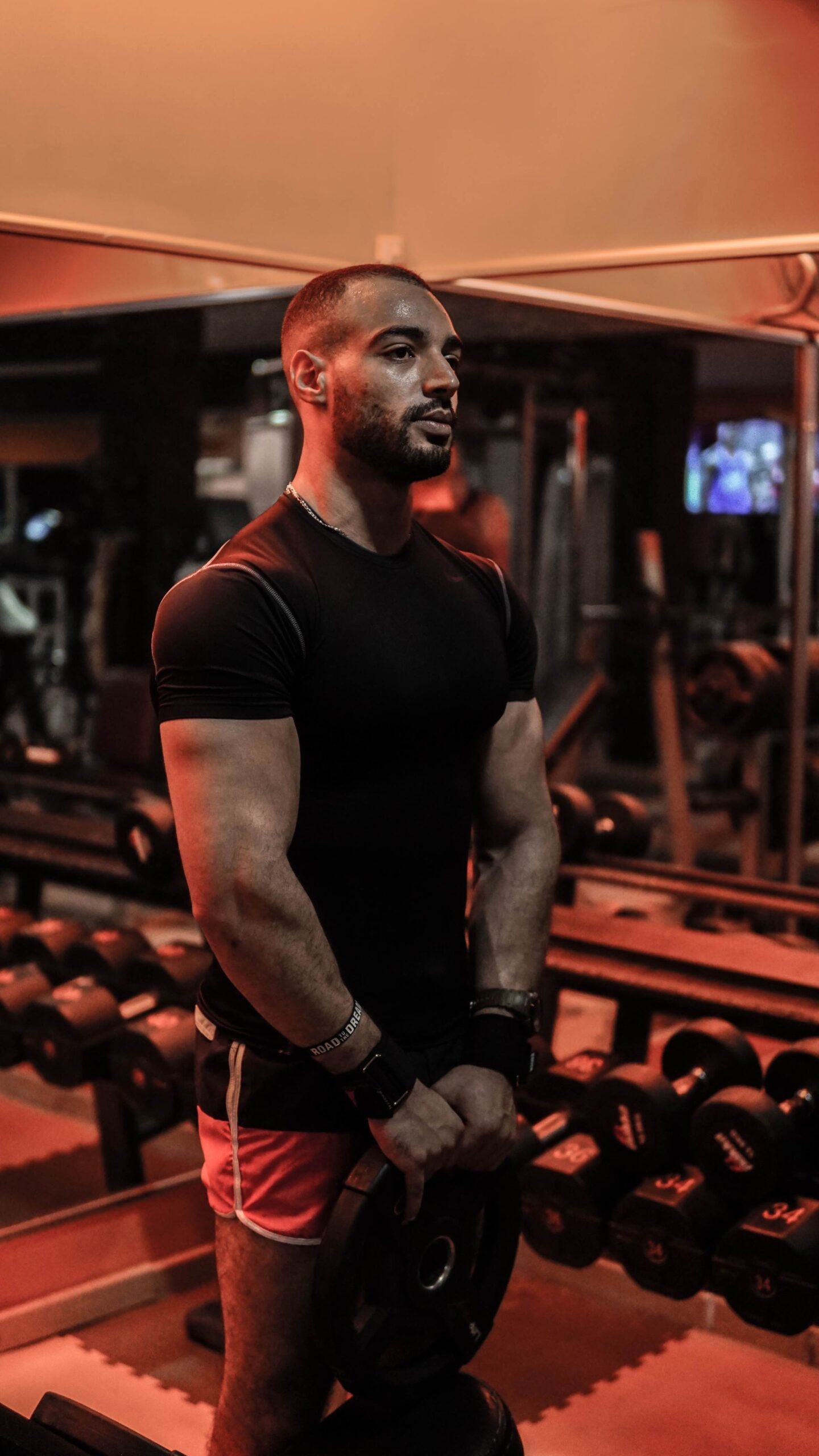
Going to the gym for the first time can be overwhelming. You might wonder which machines to try, how much weight to use, or if others are watching. The good news is you do not need experience or a perfect plan to get started.
If you are unsure how to begin, start with small steps. Learn a few basic exercises, set a schedule you can stick to, and allow yourself time to get used to the gym. As you go more often, you will feel more confident.
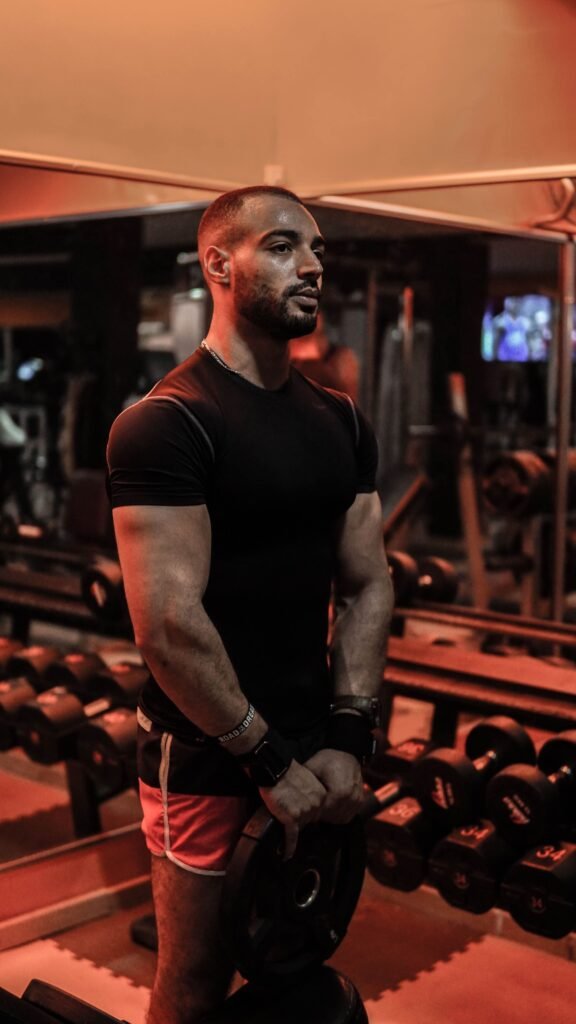
How to Start Going to the Gym in 8 Simple Steps
Starting at the gym feels easier when you break it down into simple steps:
- Decide why you want to exercise.
- Choose a convenient gym.
- Plan your first visit.
- Learn a few pieces of equipment.
- Follow a simple beginner workout.
- Start with two or three weekly sessions.
- Give your body time to recover.
- Gradually make your workouts more challenging.
You do not have to learn everything right away. What matters most is building a steady routine, not knowing every exercise.
1. Decide Why You Want to Start Working Out
Before you join a gym, consider what you hope to get from exercise. Maybe you want to get stronger, improve your heart health, build muscle, manage your weight, or just be more active.
Write down one or two goals you can reach. For example, instead of saying, “I want to get fit,” try aiming to go to the gym twice a week for the next month.
Regular physical activity supports both physical and mental health. The CDC recommends that adults get at least 150 minutes of moderate-intensity aerobic activity per week, along with muscle-strengthening activity on at least two days.
2. Choose a Gym You Will Actually Use
Choosing a gym that fits your daily routine is important. Even the best equipment will not help if the gym is hard to get to.
Think about things like location, hours, cost, cleanliness, equipment, locker rooms, classes, and staff support. See if you can tour the gym before you sign up.
Try visiting the gym at the time you plan to work out. This way, you can see how busy it usually is.
3. Plan Your First Gym Visit
Your first gym visit does not have to be tough. It is enough to just get familiar with where things are.
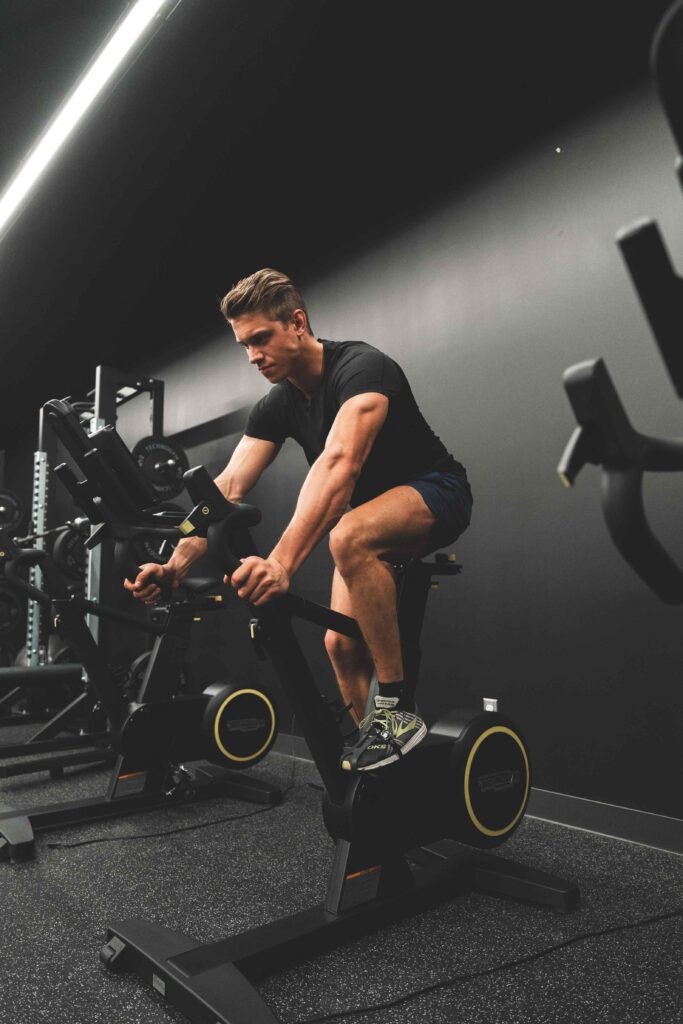
Walk on a treadmill or use a stationary bike for five or ten minutes. Then try out three or four basic machines before ending your session.
If you feel uneasy in crowds, go during less busy times. Writing your workout on your phone can also help you know what to do next.
What Should You Wear and Bring?
You do not need fancy workout clothes when you are starting out. Just wear something comfortable that lets you move easily, along with supportive athletic shoes.
Bring a water bottle, and if you need them, a towel and a lock for your locker. Headphones are optional, but listening to music or podcasts can help you focus.
How to Deal With Gym Anxiety
It is normal to feel nervous in a new gym, but that does not mean exercise is not for you. Try to make the space feel more familiar.
Take a tour before you start working out, find out where the equipment is, and plan your routine ahead of time. You can also bring a friend or ask a staff member to show you how to use a machine you do not know.
Exercise itself may also support mental well-being. The National Institute of Mental Health notes that stress-management approaches such as exercise can help reduce anxiety symptoms, although healthy habits do not replace professional treatment when it is needed.
Learn Basic Gym Terms
Knowing a few basic gym terms can make starting out much less confusing.
A rep, or repetition, means completing an exercise once. A set is a group of repetitions. Therefore, “2 sets of 10 reps” means doing the movement 10 times, resting, and then repeating it.
Progressive overload means slowly making your workouts harder as you get stronger. You can do this by adding weight, doing more reps, or improving your form.
Beginner Gym Workout Plan
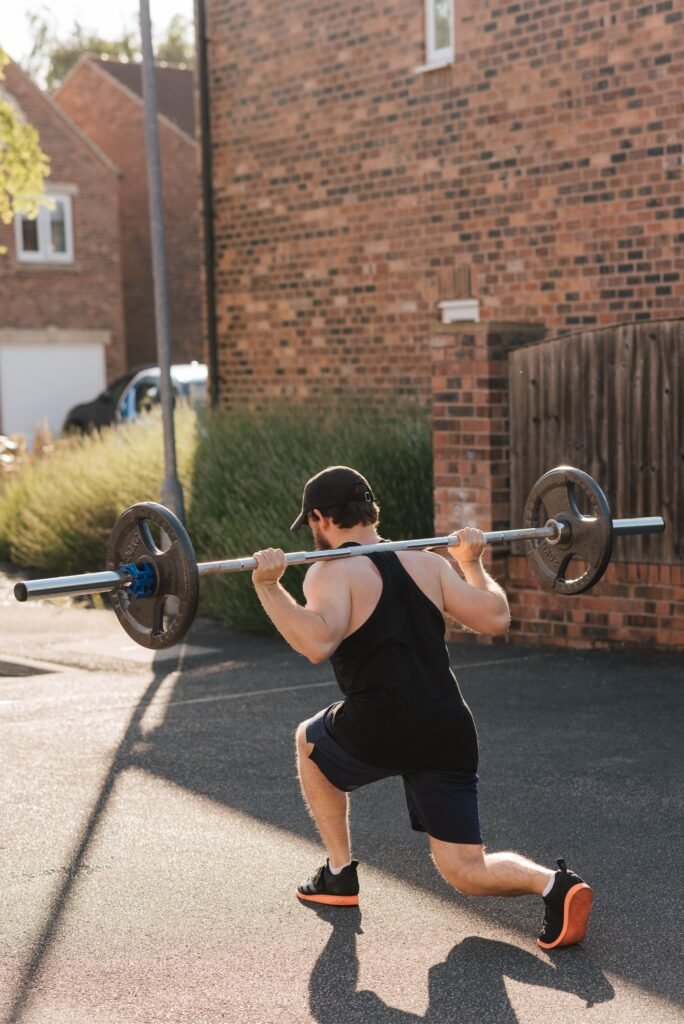
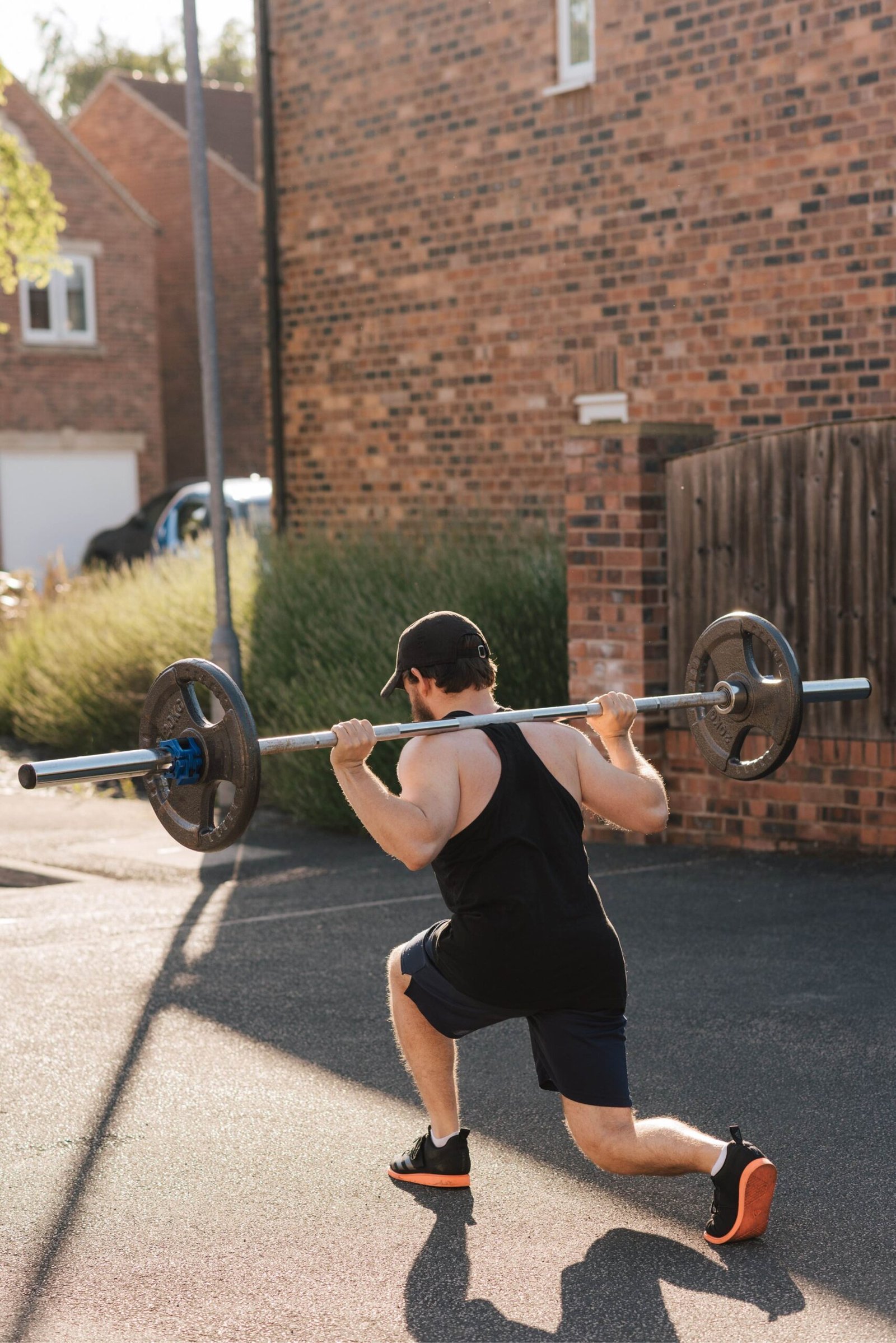
Beginners can start resistance training two or three nonconsecutive days per week. The CDC recommends working all major muscle groups on at least two days each week.
Warm-Up: 5–10 Minutes
Begin with something light, like walking on a treadmill, cycling, or using an elliptical. The idea is to get your body ready, not to wear yourself out.
Full-Body Beginner Routine
| Exercise | Sets × Reps |
| Leg Press or Goblet Squat | 2 × 8–12 |
| Chest Press Machine | 2 × 8–12 |
| Lat Pulldown | 2 × 8–12 |
| Seated Cable Row | 2 × 8–12 |
| Leg Curl or Romanian Deadlift | 2 × 8–12 |
| Plank | 2 × 20–40 seconds |
Use a weight you can handle and focus on moving with control. Mayo Clinic suggests learning good technique first, then slowly adding more resistance as you get stronger. (Mayo Clinic)
Machines or Free Weights for Beginners?
You can use machines or free weights. Machines move the weight along a set path and are often easier to adjust, which can make them less intimidating for beginners.
Free weights like dumbbells give you more exercise choices and make you control the movement. As you get more confident, you can use both machines and free weights.
How Often Should a Beginner Go to the Gym?
When starting out, do not think that going to the gym more often always means you will progress faster.
Doing strength training two or three times a week is a good place to start. For example:
Monday: Full-body workout
Wednesday: Full-body workout
Friday: Full-body workout
Mayo Clinic advises giving muscles recovery time and avoiding training the same muscle groups on consecutive days.
How Long Should a Beginner Workout Be?
A beginner workout usually takes about 30 to 60 minutes, depending on how many exercises you do, how long you rest, and if you add cardio.
You do not have to stay for two hours just because others do. It is better to have a shorter workout you can stick with than to push too hard and not want to come back.
How Do You Choose the Right Weight?
Begin with less weight than you think you need. Focus first on learning how to do the exercise correctly.
Mayo Clinic suggests choosing resistance that tires the muscles after roughly 12–15 repetitions and gradually increasing the weight as that resistance becomes easier. Proper form remains important as resistance increases.
If an exercise causes pain instead of normal muscle effort, stop right away. If the pain does not go away, get advice from a professional.
Nutrition and Recovery for Beginners
Exercise is just one part of staying healthy. Eat a balanced diet with protein, fruits, vegetables, whole grains, healthy fats, and plenty of fluids.
Getting enough sleep and rest is important too. You do not have to feel very sore after every workout to see progress.
When you are new to the gym, try not to work out hard every day. Your body needs time to get used to new activities.
How to Make Going to the Gym a Habit
It is easier to stay consistent when you make exercise part of your regular routine. Pick certain days and times instead of just going whenever you have time.
Keep your gym bag packed, follow a simple plan, and keep track of your workouts. The CDC suggests picking activities you enjoy and that fit your abilities, which makes it easier to stick with regular exercise.
If you miss a workout, just come back for the next one. There is no need to give up on your whole routine.
Common Beginner Gym Mistakes
A common mistake is trying to do too much right away. Do not copy advanced routines, use weights that are too heavy, change exercises every week, or compare yourself to people who have been going to the gym longer.
Also, do not ignore pain. Mayo Clinic advises stopping a strength exercise if it causes pain and considering a lower weight or trying again after recovery.
Getting used to the gym takes time. You do not have to get everything right in your first week.
When Should You Consider a Personal Trainer?
You do not have to hire a personal trainer to begin. Still, a good trainer can teach you proper technique, show you how to use equipment, and help you set up a plan that fits your goals.
If you have a long-term health condition, disability, injury, or worries about starting to exercise, talk to a healthcare professional about what activities are right for you. The CDC also recommends this for people with chronic conditions or disabilities.
Frequently Asked Questions
How Do I Start Going to the Gym With No Experience?
Begin by touring the gym and learning a few easy exercises. Do a simple full-body workout two or three times a week, and slowly add more weight as you get better at the movements.
What Should I Do on My First Day?
Make your first workout easy. Warm up, try a few basic machines, and focus on learning instead of pushing yourself too hard.
Is Going to the Gym Three Times a Week Enough?
Three planned workouts each week give you plenty of chances to build strength. Guidelines say you should do muscle-strengthening activities at least two days a week.
What If I Feel Embarrassed at the Gym?
Plan your workout before you go, try to start when it is less busy, and focus on what you are doing. The more you go, the easier it gets to feel comfortable in the gym.
Final Thoughts
You do not need to learn hundreds of exercises to start going to the gym. Pick a gym that is easy to get to, follow a simple routine, use weights you can handle, and make sure you get enough rest.
The most important thing is to be consistent, not perfect. When going to the gym becomes a regular habit instead of something you need motivation for, it gets much easier to stick with your fitness routine.
Helpful YouTube Resource
Here’s a helpful video:
References
1. Centers for Disease Control and Prevention — Adult Activity: An Overview
https://www.cdc.gov/physical-activity-basics/guidelines/adults.html
2. Centers for Disease Control and Prevention — Adding Physical Activity as an Adult
https://www.cdc.gov/physical-activity-basics/adding-adults/index.html
3. Mayo Clinic — Strength Training: Get Stronger, Leaner, Healthier
https://www.mayoclinic.org/healthy-lifestyle/fitness/in-depth/strength-training/art-20046670
4. National Institute of Mental Health — Generalized Anxiety Disorder
https://www.nimh.nih.gov/health/publications/generalized-anxiety-disorder-gad
5. Centers for Disease Control and Prevention — Physical Activity for Adults With Chronic Conditions and Disabilities
https://www.cdc.gov/physical-activity-basics/guidelines/chronic-health-conditions-and-disabilities.html

Hi, I’m Brittany Larsen, a passionate blogger and content creator dedicated to writing meaningful and engaging articles. I specialize in topics like mental health, wellness, and personal development, aiming to inspire and empower my readers through relatable stories and practical advice.