
Now Reading: Benefits of Honeycomb: A Natural Superfood for Mind and Body
-
01
Benefits of Honeycomb: A Natural Superfood for Mind and Body
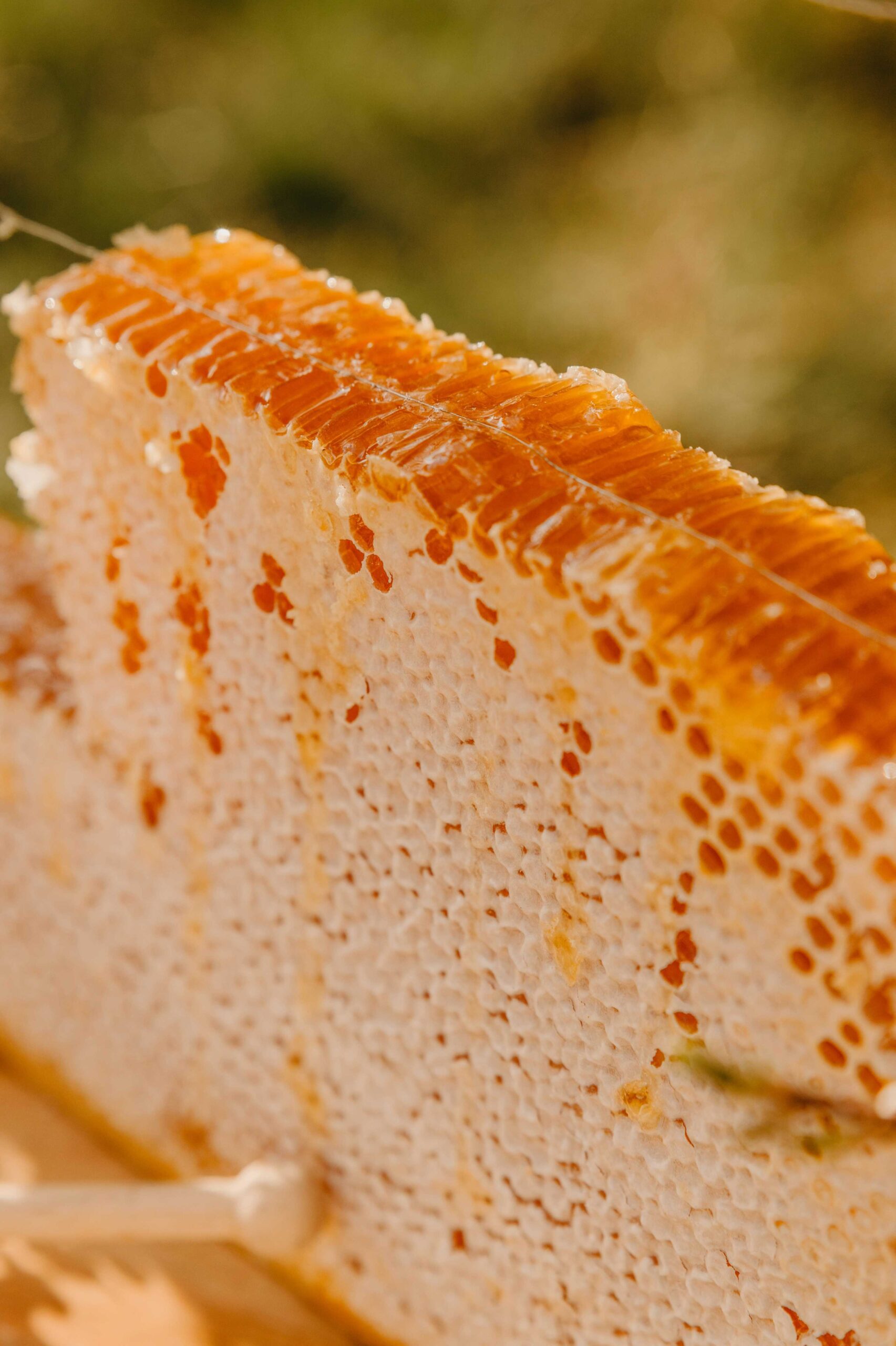
As processed foods become more common, many people are turning to simple, natural alternatives. Honeycomb is one such option. It’s raw, unfiltered, and full of nutrients, so more people are including it in their wellness routines.
Honeycomb is more than just a sweet treat. It combines raw honey and beeswax, making it unique. In this article, you’ll learn about honeycomb’s real benefits, how it supports your body and mind, and how to use it safely.
What Is Honeycomb?
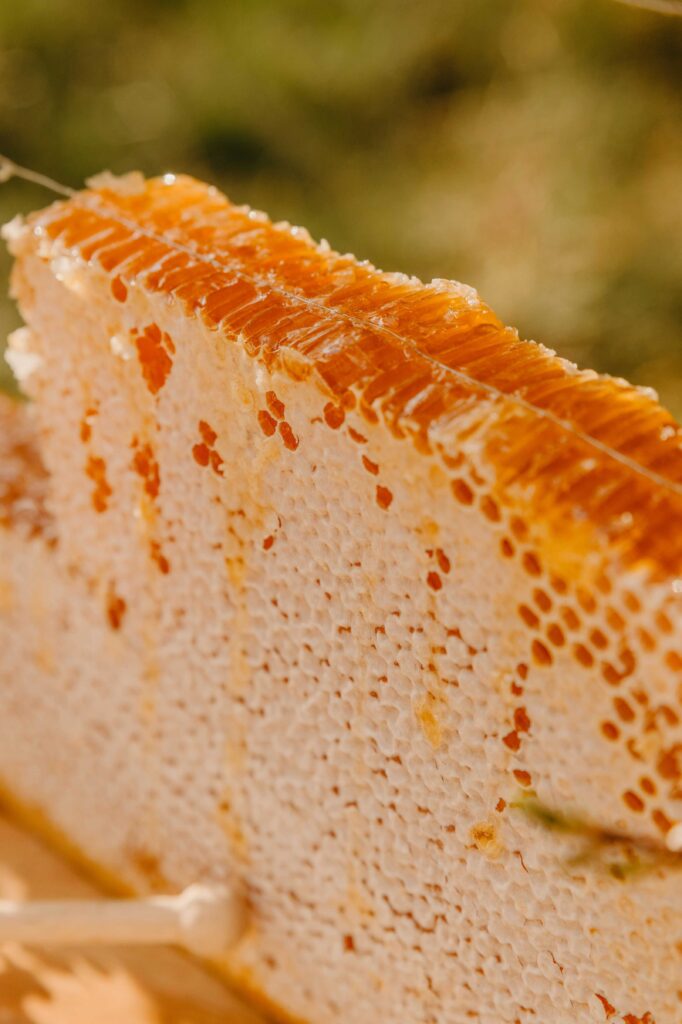
Honeycomb is the natural structure made by bees to store honey. It consists of small hexagonal cells filled with raw honey and surrounded by beeswax.
Unlike processed honey, honeycomb is left unfiltered. This lets you enjoy all its natural nutrients, which is why many people prefer honeycomb over regular honey.
Honeycomb is fully edible. You can eat both the honey and the wax, though some people like to chew the wax and then spit it out.
Is Honeycomb Safe to Eat?
Yes, honeycomb is safe for most people. It’s a natural product without added chemicals, which makes its benefits even more appealing.
However, infants under one year old should not consume honeycomb due to the risk of botulism. People with bee-related allergies should also be careful.
For most adults, eating honeycomb in moderation is both safe and beneficial.
Nutritional Value of Honeycomb
Knowing what’s in honeycomb helps explain its benefits. It contains natural sugars like glucose and fructose, which give you energy.
Honeycomb also has small amounts of vitamins and minerals like vitamin C, calcium, and magnesium. It also contains antioxidants.
According to the National Institutes of Health, antioxidants help reduce oxidative stress in the body. This plays a role in overall health and mental well-being.
Top Benefits of Honeycomb
Let’s look at the main benefits of honeycomb and how they support your physical and mental wellness.
1. Rich in Essential Nutrients
A key benefit of honeycomb is its natural nutrients. It offers small but valuable amounts of vitamins and minerals.
Since honeycomb is unprocessed, its nutrients stay intact. This makes it a cleaner choice than refined sugar.
2. High in Antioxidants
Another big benefit of honeycomb is its antioxidants. These help protect your cells from damage caused by free radicals.
This can support brain health and help reduce the effects of stress. Lowering oxidative stress is important for emotional balance.
3. Supports Heart Health
Honeycomb may also be good for your heart. Some studies suggest honey can help improve cholesterol levels.
It may help lower bad cholesterol (LDL) and support good cholesterol (HDL), which helps with better circulation and heart health.
4. May Help Balance Blood Sugar (in Moderation)
Honeycomb does contain sugar, but it’s natural. Your body processes it differently than refined sugar.
When you eat honeycomb in moderation, it may help keep your energy levels more stable. Still, it’s important to enjoy it mindfully.
5. Boosts Immune System
A top benefit of honeycomb is that it supports your immune system. Honey has natural antibacterial and antimicrobial properties.
These properties help your body fight infections and stay strong during seasonal illnesses. Adding honeycomb to your diet can help you stay resilient.
6. Supports Liver Health
Honeycomb may also help support your liver. Some compounds in honey help your body detox naturally.
A healthy liver is important for both your body and mind. Taking care of it can help keep you balanced overall.
7. Helps with Cold and Flu Symptoms
People often use honeycomb as a natural remedy for colds. It can soothe your throat and help reduce coughing.
The World Health Organization has suggested honey as a simple remedy for cough relief in some cases. This supports the practical benefits of honeycomb.
8. Improves Gut Health
Gut health is closely tied to mental health. One important benefit of honeycomb is that it can help with digestion.
Honeycomb may help promote healthy gut bacteria and improve digestion. A healthy gut can boost your mood and energy.
9. Promotes Better Sleep
Honeycomb may also help you sleep better. Its natural sugars can support the release of melatonin, the hormone that helps you sleep.
Getting better sleep can improve your mental clarity, mood, and emotional stability. Honeycomb is an easy addition to your evening routine.
10. Unprocessed and Natural
One of the best things about honeycomb is that it’s completely natural. It has no additives or artificial ingredients.
This makes honeycomb a clean choice for anyone interested in mindful eating and wellness.
What Does Research Say About Honeycomb?
Most research looks at honey rather than honeycomb itself. But since honeycomb has raw honey, the benefits are similar.
Studies on NCBI show that honey has antioxidant, antibacterial, and anti-inflammatory properties. These findings support the known benefits of honeycomb.
More research is needed, but the current evidence is promising.
How to Eat Honeycomb
It’s easy and enjoyable to add honeycomb to your diet.
Simple Ways to Enjoy It
You can eat honeycomb raw with a spoon, spread it on toast, or add it to yogurt.
You can also mix honeycomb into tea. These are easy ways to enjoy its benefits in your daily meals.
Can You Eat the Wax?
Yes, the wax is edible. Some people chew it like gum and then spit it out.
Others choose to swallow it for extra fiber. Either way, you still get the benefits of honeycomb.
Tips for Buying and Storing Honeycomb
Try to choose raw and organic honeycomb when you can. This gives you better quality and nutrition.
Store honeycomb at room temperature in a dry place. Keep it away from moisture to stay fresh.
Proper storage helps keep honeycomb’s benefits over time.

Are There Any Risks or Side Effects?
Honeycomb has many benefits, but it’s important to use it wisely.
Possible Concerns
Honeycomb is high in natural sugar, so eating too much can add extra calories.
Allergic reactions are rare, but they can happen.
Who Should Avoid It
Infants under one year old should not consume honeycomb. People with bee allergies should also avoid it.
By being mindful, you can safely enjoy all the benefits of honeycomb.
Honeycomb vs Regular Honey: What’s the Difference?
Honeycomb has both honey and wax, while regular honey is filtered. This means honeycomb is closer to its natural form.
Because of this,honeycomb may offer more complete benefits than processed honey.
Watch: Honeycomb Benefits Explained (Trusted Source)
Here’s a helpful video from a trusted health source:
Final Thoughts: Why Honeycomb Is Worth Adding to Your Diet
Honeycomb’s benefits go beyond basic nutrition. It can support your heart, digestion, immune system, and even your mental well-being.
With so many processed foods around, honeycomb is a way to enjoy something pure and natural. Including it in your routine can be a simple but meaningful step toward better health.
References
- National Institutes of Health (NIH)
https://www.ncbi.nlm.nih.gov/pmc/ - World Health Organization (WHO)
https://www.who.int/

Hi, I’m Brittany Larsen, a passionate blogger and content creator dedicated to writing meaningful and engaging articles. I specialize in topics like mental health, wellness, and personal development, aiming to inspire and empower my readers through relatable stories and practical advice.