Now Reading: Flax Seed Benefits Skin: 10 Natural Ways to Glow
-
01
Flax Seed Benefits Skin: 10 Natural Ways to Glow
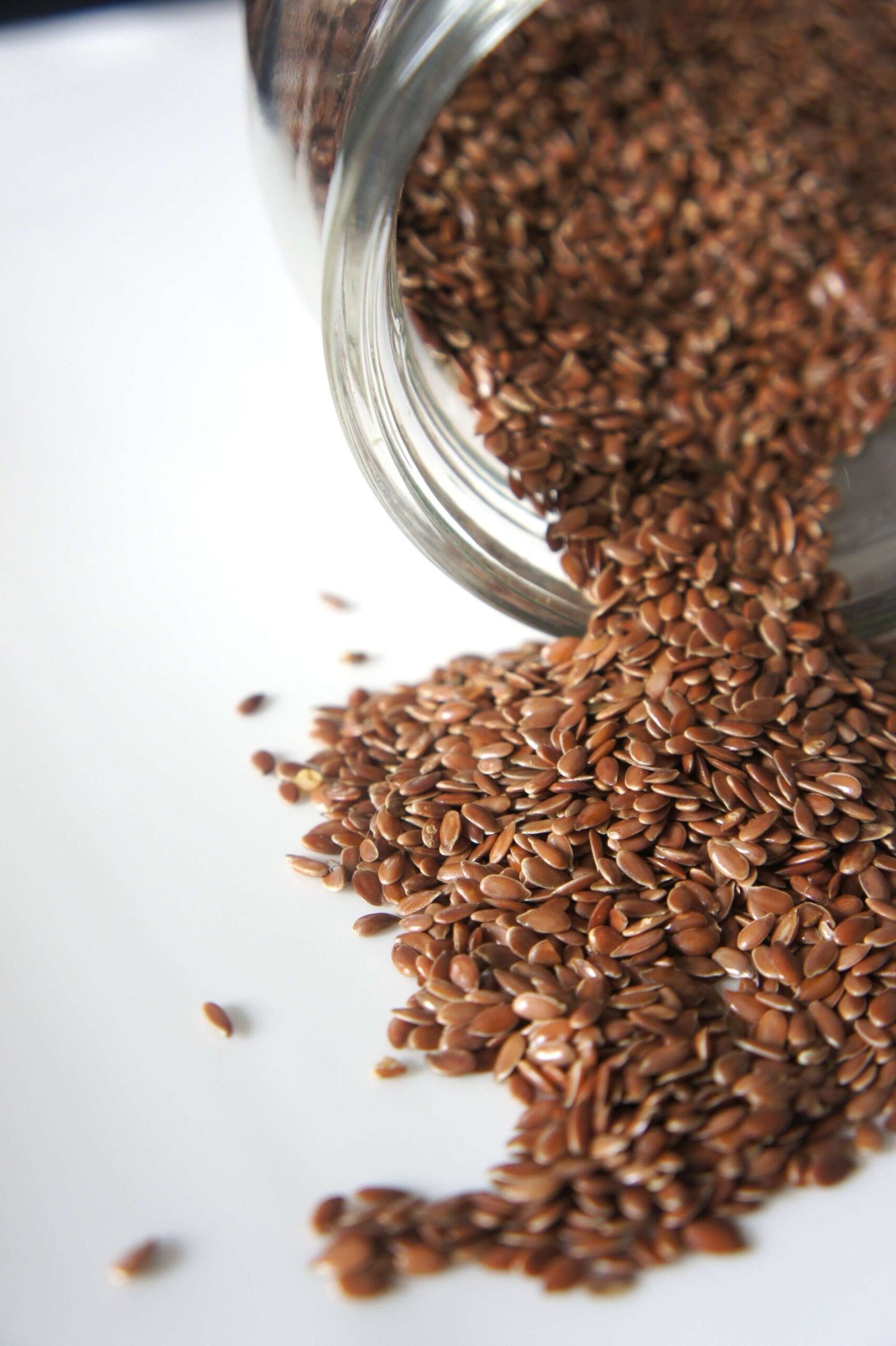
If you’re looking for a natural way to improve your skin, flaxseed deserves a place in your daily routine. The flaxseed benefits for skin are gaining attention because these tiny seeds are rich in omega-3 fatty acids, fiber, antioxidants, and lignans. Together, these nutrients help nourish your skin from the inside out.
Many people focus only on creams and serums, but healthy skin also depends on a healthy diet. Adding flaxseed to your meals or using flaxseed gel as a face mask may help support smoother, healthier-looking skin. While flaxseed is not a miracle cure, it can become part of a balanced skincare and wellness routine.
According to the USDA FoodData Central, one tablespoon (about 10 grams) of ground flaxseed provides approximately 2.4 grams of alpha-linolenic acid (ALA) omega-3 fatty acids and nearly 2 grams of dietary fiber, making it one of the richest plant sources of omega-3 fats.
In this guide, you’ll discover the top flaxseed benefits for skin, how to use flaxseed safely, and simple ways to include it in your daily routine.
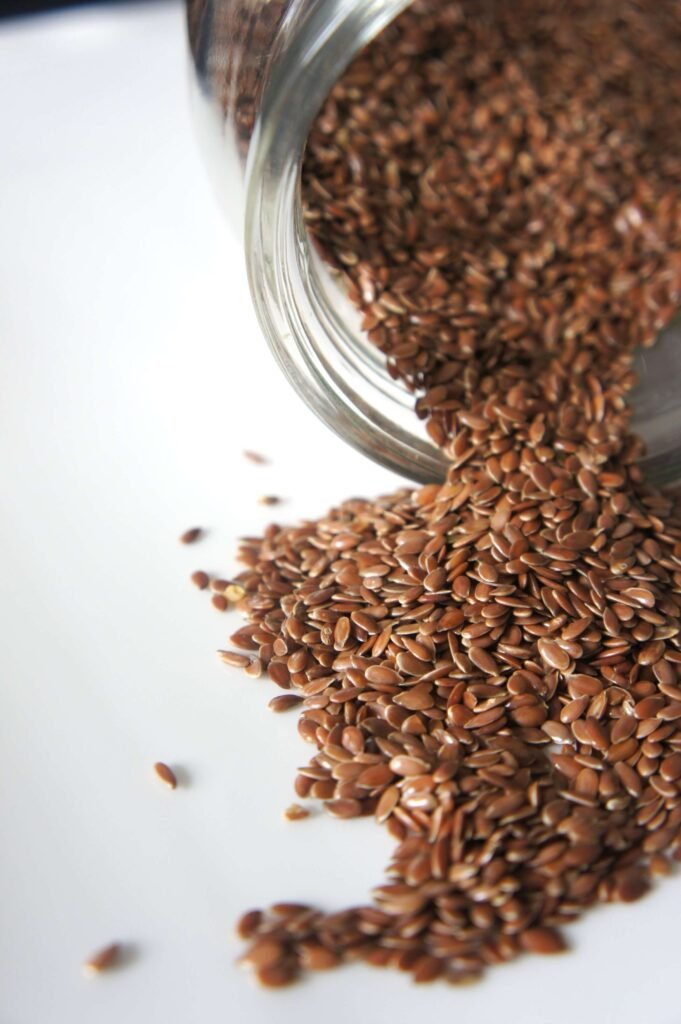
Why Flaxseed Benefits Skin Naturally
The impressive skin benefits of flaxseed stem from its unique nutritional profile. Flaxseed contains omega-3 fatty acids that help support the skin barrier, antioxidants that protect skin cells, and lignans that have antioxidant properties.
Vitamin E, magnesium, and healthy fats also contribute to overall skin health. These nutrients work together to help your skin stay hydrated and resilient.
Whether you eat ground flaxseed or apply flaxseed gel topically, consistency is the key to seeing results.
10 Science-Backed Flaxseed Benefits for Skin
1. Supports Skin Hydration
One of the biggest benefits of flaxseed for skin is improved hydration. Omega-3 fatty acids help maintain the skin’s natural barrier, which reduces moisture loss.
Well-hydrated skin often appears smoother, softer, and healthier.
2. Promotes Naturally Glowing Skin
Healthy fats and antioxidants nourish the skin from within. Eating flaxseed regularly may contribute to a brighter complexion when combined with a healthy diet.
The benefits of flaxseed for skin become more noticeable over time as healthy eating habits improve your overall wellness.
3. May Help Reduce Acne and Breakouts
Inflammation can contribute to acne in some individuals. Flaxseed contains plant compounds with anti-inflammatory properties that may help support balanced skin.
Although flaxseed cannot cure acne, incorporating it into a healthy lifestyle may benefit some people.
4. Helps Slow Visible Signs of Aging
One of the most popular flaxseed benefits for the skin is its potential role in healthy aging. Antioxidants help protect skin cells from oxidative stress caused by pollution and UV exposure.
Supporting collagen naturally through a healthy diet may also improve skin elasticity over time.
5. Improves Skin Texture
Dry, rough skin often benefits from healthy fats and proper hydration. The omega-3 fats in flaxseed may help improve skin texture.
Many people notice softer skin after consistently eating flaxseed for several weeks.
6. Supports Skin Healing
Your skin needs nutrients to repair itself. Protein, healthy fats, and antioxidants found in flaxseed contribute to normal skin maintenance.
While flaxseed is not a medical treatment, it provides nutrients that support overall skin health.
7. Helps Protect Against Environmental Damage
Daily exposure to sunlight and pollution creates free radicals that can damage skin cells.
One of the important flaxseed benefits for skin is the antioxidant protection provided by lignans and vitamin E, which help defend against oxidative stress.
8. Supports Hormonal Balance
Flaxseed contains lignans, naturally occurring plant compounds that have been studied for their effects on hormone metabolism.
Although research is ongoing, balanced hormone levels may indirectly support clearer skin in some individuals.
9. Works as a Natural Face Mask
Flaxseed gel has become popular as a DIY skincare ingredient. When cooked with water, flaxseed forms a soothing gel that can be applied to the face.
Simple DIY Flaxseed Face Mask
Ingredients
- 2 tablespoons whole flaxseed
- 1 cup water
Instructions
Boil the flaxseed in water for about 10 minutes until it forms a gel. Strain while warm and allow it to cool. Apply a thin layer to clean skin for 15–20 minutes, then rinse with lukewarm water.
10. Supports Skin Health from the Inside Out
Perhaps the greatest skin benefits of flaxseed come from regular consumption as part of a healthy lifestyle. Eating flaxseed provides nutrients your entire body needs, including your skin.
Healthy eating, hydration, sleep, and sun protection all work together for long-term skin health.
Flaxseed Oil Benefits for Skin
Flaxseed oil offers many of the same healthy fats found in whole flaxseed.
Internal Benefits
Taking flaxseed oil as part of a balanced diet supplies omega-3 fatty acids that support skin hydration.
Topical Benefits
Some people apply flaxseed oil directly to dry areas of skin. If you have sensitive skin, perform a patch test before applying it to your face.
Linseed vs Flaxseed: Are They the Same?
Yes. Linseed and flaxseed come from the same plant (Linum usitatissimum).
The term flaxseed usually refers to seeds used for food, while linseed is often used in industrial products. Food-grade flaxseed and linseed are nutritionally the same.
Best Ways to Use Flaxseed for Healthy Skin
There are many simple ways to enjoy the benefits of flaxseed for the skin every day.
- Add ground flaxseed to smoothies.
- Sprinkle it over oatmeal or yogurt.
- Mix it into baked goods.
- Blend it into homemade energy bites.
- Apply flaxseed gel as a weekly face mask.
Ground flaxseed is generally easier for the body to digest than whole seeds.
Common Mistakes to Avoid
Avoid these mistakes to reap the full benefits of flaxseed for your skin.
- Eating whole seeds instead of ground flaxseed.
- Suddenly consuming large amounts without enough water.
- Forgetting to refrigerate ground flaxseed.
- Applying flaxseed gel without a patch test.
Making small, consistent changes is usually more effective than using excessive amounts.
Are There Any Side Effects?
Flaxseed is generally safe for most healthy adults.
However, eating large amounts may cause bloating or digestive discomfort. People taking blood-thinning medication or hormone-related treatments should consult a healthcare provider before increasing flaxseed intake.
Individuals with flaxseed allergies should avoid both flaxseed and flaxseed oil.

Frequently Asked Questions
Is flaxseed good for your skin?
Yes. The flaxseed benefits skin include hydration, antioxidant support, and healthy fats that help maintain the skin barrier.
How long does it take to notice skin benefits?
Many people begin noticing improvements after several weeks of consistent use, along with a balanced diet.
Is eating flaxseed better than applying it?
Eating flaxseed provides nutrients throughout the body, while flaxseed gel mainly moisturizes the skin’s surface. Both methods can complement each other.
Can flaxseed help reduce wrinkles?
Flaxseed cannot eliminate wrinkles, but its antioxidants and healthy fats may support healthier-looking skin over time.
Can I use flaxseed gel every day?
Most people can safely use flaxseed gel several times a week. If irritation develops, discontinue use.
Final Thoughts
The many skin benefits of flaxseed make it an easy addition to a healthy lifestyle. Rich in omega-3 fatty acids, antioxidants, and fiber, flaxseed supports hydration, healthy aging, and overall skin wellness from the inside out.
For the best results, use flaxseed along with a balanced diet, regular exercise, good sleep, and daily sun protection. Healthy skin comes from steady habits, and flaxseed can be a helpful part of your routine.
YouTube Resource
Here’s a helpful video by Dr. Eric:
References
- USDA FoodData Central. Flaxseed Nutrition Facts. https://fdc.nal.usda.gov
- National Institutes of Health – Office of Dietary Supplements. Omega-3 Fatty Acids Fact Sheet. https://ods.od.nih.gov/factsheets/Omega3FattyAcids-Consumer/
- American Academy of Dermatology. Skin Care Resources. https://www.aad.org
- Cleveland Clinic. Foods That Support Healthy Skin. https://health.clevelandclinic.org
- Harvard T.H. Chan School of Public Health – The Nutrition Source. https://www.hsph.harvard.edu/nutritionsource
- Mayo Clinic. Healthy Lifestyle and Nutrition. https://www.mayoclinic.org

Hi, I’m Brittany Larsen, a passionate blogger and content creator dedicated to writing meaningful and engaging articles. I specialize in topics like mental health, wellness, and personal development, aiming to inspire and empower my readers through relatable stories and practical advice.