Now Reading: Chia Seed Benefits Hair: 10 Natural Ways to Grow Strong Hair
-
01
Chia Seed Benefits Hair: 10 Natural Ways to Grow Strong Hair
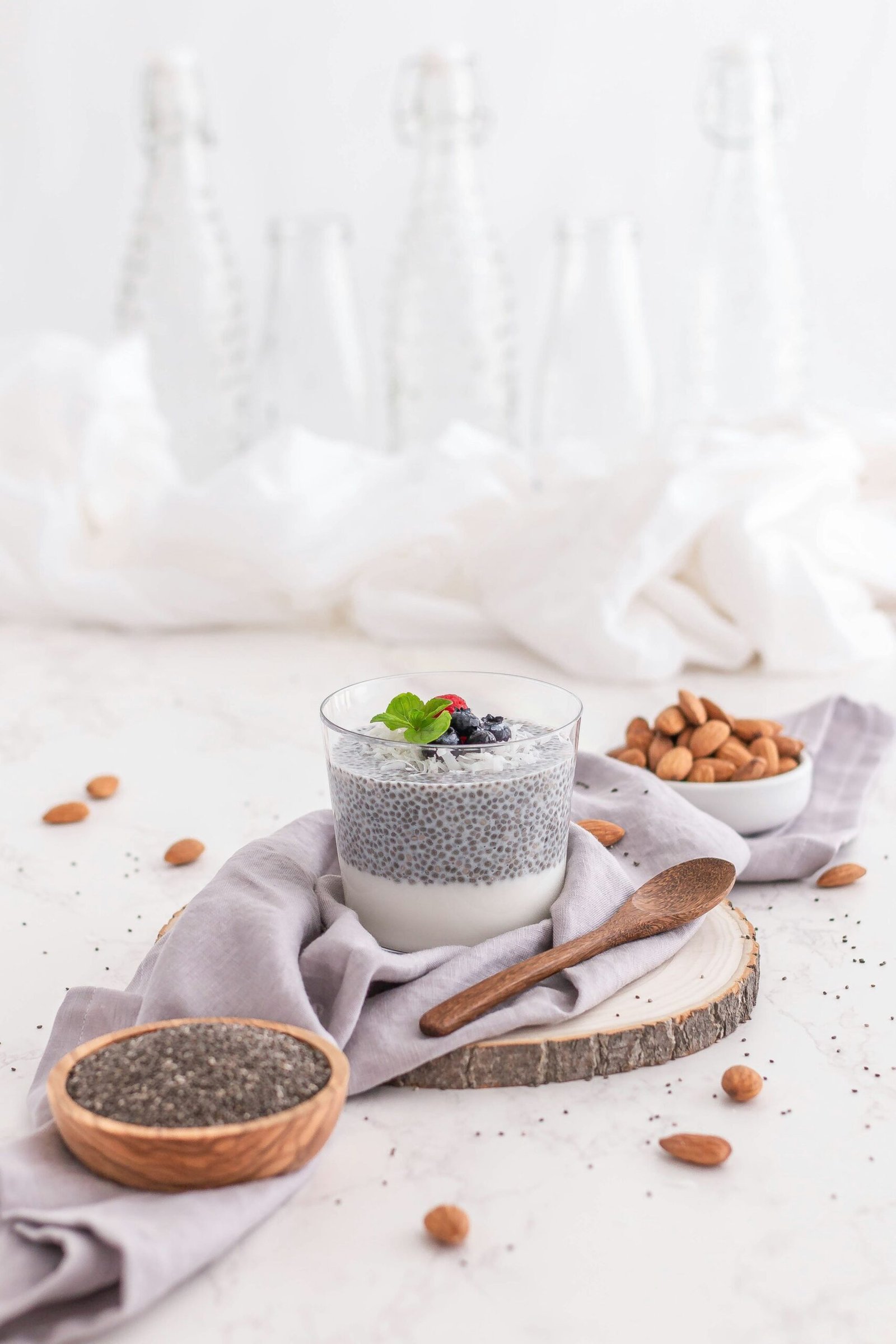
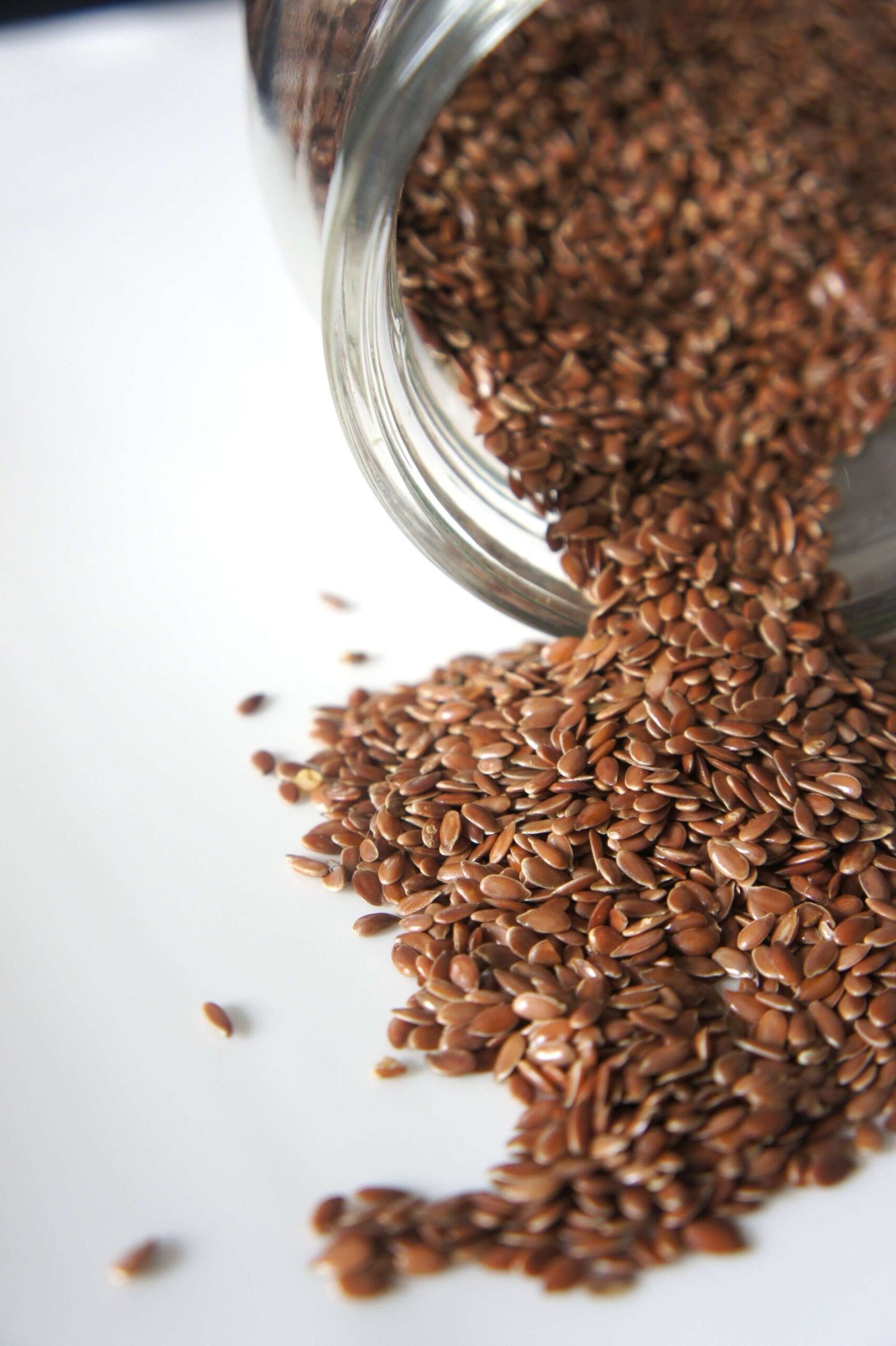
Chia seeds may be small, but they are full of nutrients and have become a popular superfood for overall wellness. One reason for their popularity is the many ways chia seeds can benefit your hair. They are rich in omega-3 fatty acids, protein, fiber, antioxidants, and essential minerals, all of which help support healthy hair from within.
No single food can make your hair grow faster, but eating a balanced diet with plenty of vitamins, minerals, and healthy fats is important for strong hair. Adding chia seeds to your meals is a simple way to boost your nutrition and support healthy hair.
The USDA FoodData Central reports that one ounce (28 grams) of chia seeds contains about 4.7 grams of protein, 9.8 grams of fiber, and almost 5 grams of plant-based omega-3 (ALA). These nutrients make chia seeds a great choice for a hair-friendly diet.
This guide covers the top benefits of chia seeds for hair, the best times to eat them, how to make chia seed hair gel, and practical tips for healthier hair.
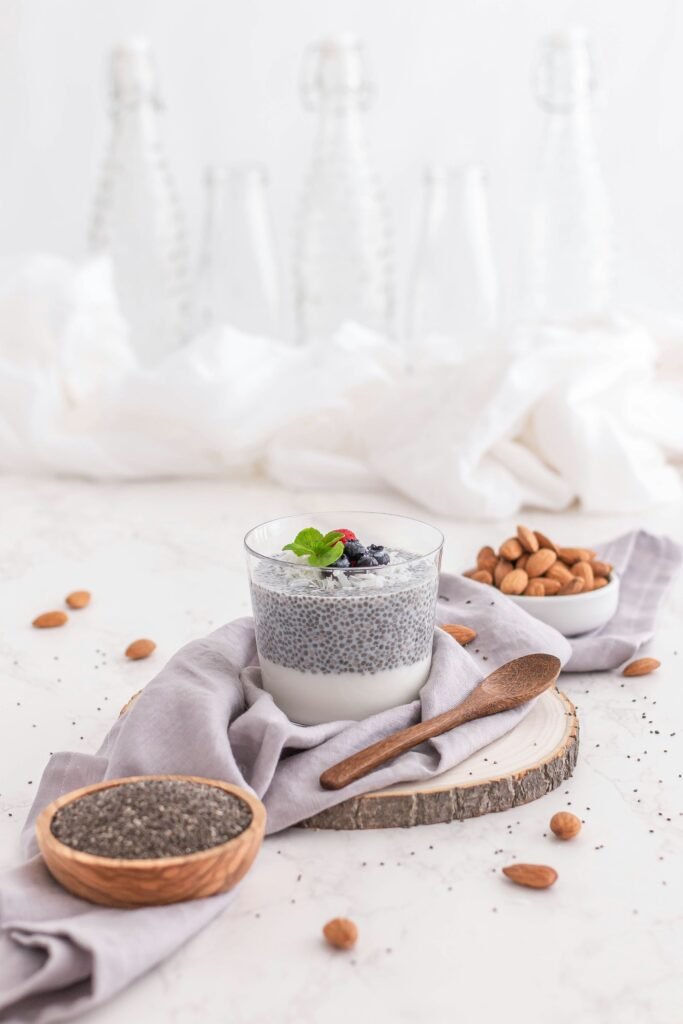
Why Chia Seed Benefits Hair Naturally
Chia seeds are good for hair because of their strong nutritional profile. They have omega-3 fatty acids that help keep your scalp hydrated, protein that helps build hair, and antioxidants that protect hair follicles from damage.
Chia seeds also provide minerals like zinc, magnesium, calcium, and iron, which are important for healthy hair. While chia seeds alone will not reverse hair loss, they can help support hair health as part of a balanced diet.
10 Science-Backed Chia Seed Benefits for Hair
1. Supports Healthy Hair Growth
One of the main benefits of chia seeds for hair is that they provide nutrients that support healthy hair growth. Hair follicles need enough protein, healthy fats, vitamins, and minerals to work well.
Eating chia seeds often helps you get more of these important nutrients.
2. Strengthens Hair Strands
Hair is mostly made of a protein called keratin. Because chia seeds have plant-based protein, they help you get more protein in your diet.
Stronger hair strands are less likely to break when you brush or style your hair.
3. Supports Scalp Health
Healthy hair starts with a healthy scalp. The omega-3 fatty acids in chia seeds help keep your scalp and skin hydrated.
One helpful benefit of chia seeds is that they support a comfortable, well-moisturized scalp.
4. Helps Reduce Hair Breakage
When your hair stays hydrated, it is more flexible and less likely to break.
Chia seeds add healthy fats and protein to your diet, which may help your hair become more elastic over time.
5. Provides Antioxidant Protection
Every day, things like sunlight, pollution, and stress create free radicals that can harm your hair follicles.
The antioxidants in chia seeds help protect your cells from damage, which is another important benefit for your hair.
6. Supports Healthy Blood Circulation
Hair follicles need a steady supply of oxygen and nutrients, which come from healthy blood flow.
Chia seeds do not directly make hair grow faster, but their nutrients support heart health, which helps keep blood flowing normally.
7. May Improve Hair Shine
Healthy fats help feed your hair from the inside.
Many people find their hair looks smoother and shinier after improving their diet, and chia seeds may help with that healthy look.
8. Improves Overall Nutrient Intake
Chia seeds contain several nutrients involved in normal hair health, including magnesium, calcium, zinc, phosphorus, and iron.
Adding chia seeds to your meals can make your diet more nutritious.
9. Chia Seed Gel May Condition Hair
Along with eating chia seeds, many people use chia seed gel as a natural way to style and condition their hair.
DIY Chia Seed Hair Gel Recipe
Ingredients
- 2 tablespoons chia seeds
- 2 cups water
- 1 teaspoon aloe vera gel (optional)
Instructions
Bring the water to a boil, add the chia seeds, and let them simmer for about 10 minutes. Stir every so often until a gel forms. Strain the mixture while it is still warm, then let it cool before using it on damp hair.
10. Supports Long-Term Hair Wellness
The biggest benefit of chia seeds for hair comes from eating them regularly. Eating nutrient-rich foods every day helps your hair stay healthy over time, instead of giving quick results.
Best Time to Eat Chia Seeds for Hair Growth
A common question is whether it is better to eat chia seeds in the morning or at night.
Morning
Eating chia seeds in the morning gives you lasting energy and helps you start your day with fiber, protein, and healthy fats.
Great morning ideas include:
- Overnight oats
- Smoothies
- Yogurt bowls
- Oatmeal
Night
Chia pudding is a great evening snack because it fills you up and is easy to digest.
Some people like to soak chia seeds overnight and eat them before going to bed.
Morning vs. Night: Which Is Better?
For chia seeds and hair health, eating them regularly is more important than the time of day.
Pick the time that works best for your routine so you can eat chia seeds often.
Easy Ways to Include Chia Seeds in Your Daily Diet
It is easy to add chia seeds to your meals.
You can:
- Blend them into smoothies.
- Mix them into yogurt.
- Sprinkle them on oatmeal.
- Stir them into soups.
- Make homemade chia pudding.
- Add them to baked goods.
These simple habits let you get the most out of chia seeds for your hair without needing to change your routine much.
Tips to Maximize Chia Seed Benefits for Hair
To get the most benefits from chia seeds for your hair, combine them with other healthy habits.
- Eat enough protein daily.
- Stay well hydrated.
- Manage stress.
- Get enough sleep.
- Protect your scalp from excessive sun exposure.
- Follow a gentle hair care routine.
Healthy hair comes from many factors, not just eating one food.
Are There Any Side Effects?
Most healthy adults can safely eat chia seeds in moderation.
Because chia seeds soak up a lot of water, always soak them first or drink plenty of fluids if you eat them dry.
If you have allergies or take blood-thinning medicine, talk to your doctor before eating more chia seeds.
Frequently Asked Questions
Are chia seeds good for hair?
Yes. Chia seeds help your hair by providing omega-3 fatty acids, protein, antioxidants, and minerals that support healthy hair.
Can chia seeds help hair grow faster?
Chia seeds help support healthy hair growth by improving your overall nutrition, but they are not a quick fix for hair growth.
Should I eat chia seeds in the morning or at night?
Both morning and night work well. The best choice is the one that helps you eat chia seeds regularly.
Can I apply chia seed gel directly to my hair?
Yes. You can use chia seed gel as a natural styling gel and a light conditioner.
How much chia seed should I eat daily?
Many people like to eat 1 to 2 tablespoons (about 15 to 30 grams) of chia seeds each day as part of a balanced diet.
Final Thoughts
Chia seeds offer many benefits for your hair, making them a smart choice for a healthy lifestyle. Their protein, omega-3 fatty acids, antioxidants, and minerals support healthy hair from the inside and also improve your overall nutrition.
For the best results, eat chia seeds as part of a balanced diet, exercise regularly, stay hydrated, get enough sleep, and take care of your scalp. Healthy hair comes from daily habits, and chia seeds can be a helpful part of your routine.
YouTube Resource
Here’s a helpful video by Dr. Eric:
References
- USDA FoodData Central. Chia Seeds Nutrition Facts. https://fdc.nal.usda.gov
- National Institutes of Health – Office of Dietary Supplements. Omega-3 Fatty Acids Fact Sheet. https://ods.od.nih.gov/factsheets/Omega3FattyAcids-Consumer/
- American Academy of Dermatology. Healthy Hair Resources. https://www.aad.org
- Cleveland Clinic. Nutrition for Healthy Hair. https://health.clevelandclinic.org
- Harvard T.H. Chan School of Public Health – The Nutrition Source. https://www.hsph.harvard.edu/nutritionsource
- Mayo Clinic. Healthy Lifestyle and Nutrition. https://www.mayoclinic.org

Hi, I’m Brittany Larsen, a passionate blogger and content creator dedicated to writing meaningful and engaging articles. I specialize in topics like mental health, wellness, and personal development, aiming to inspire and empower my readers through relatable stories and practical advice.