
Now Reading: 8 Best Cardio at the Gym for Fitness and Fat Loss
-
01
8 Best Cardio at the Gym for Fitness and Fat Loss
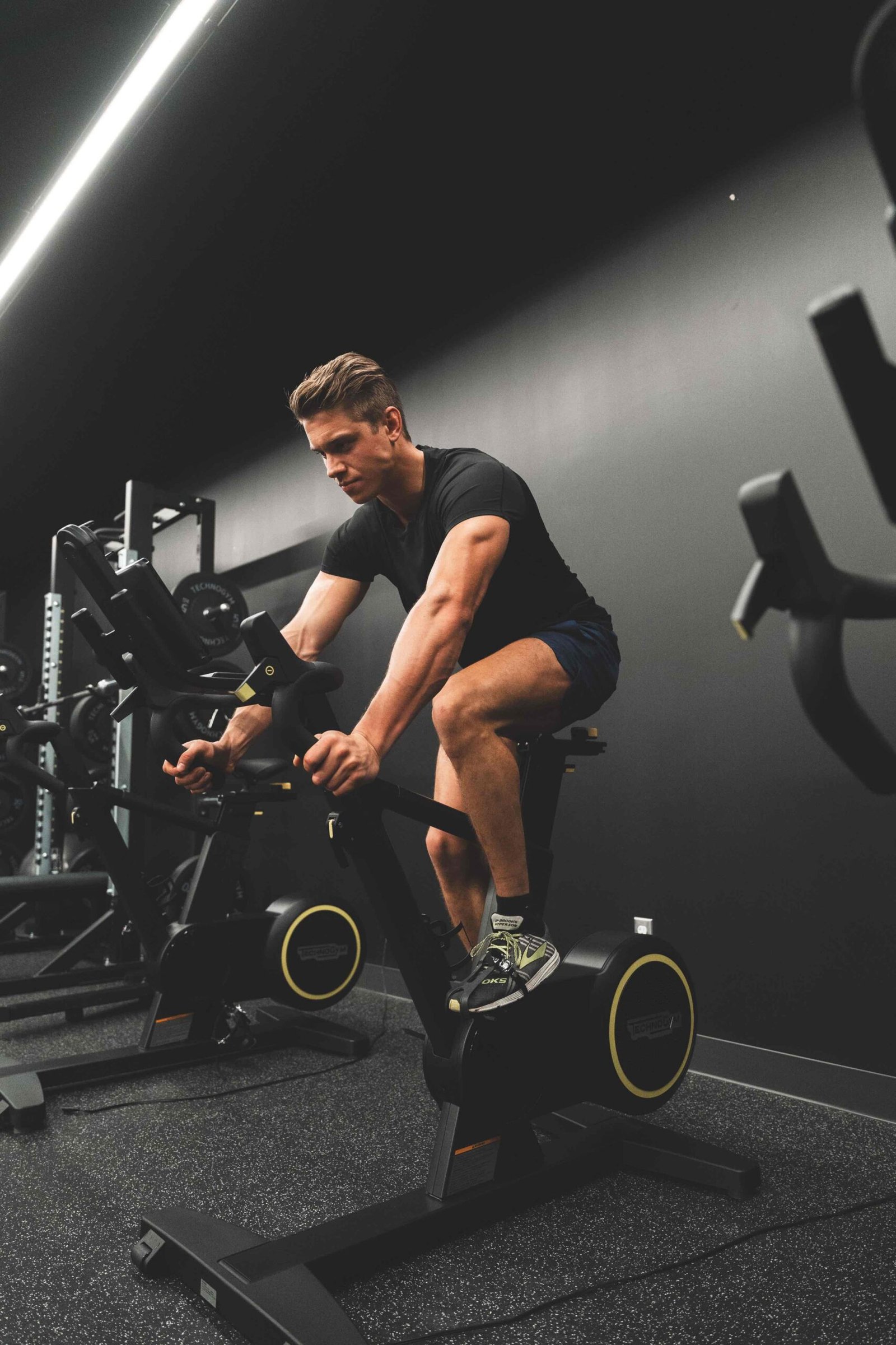
Walk into almost any gym, and you will find treadmills, bikes, rowing machines, stair climbers, and ellipticals waiting for you. With so many choices, deciding where to start can feel confusing.
The best cardio at the gym depends on your fitness level, goals, joint comfort, and what you actually enjoy doing. Running may work well for one person, while another may prefer cycling or rowing. Instead of searching for one perfect machine, choose cardio that you can perform safely and consistently.
What Counts as Cardio Exercise?
Cardio, also called aerobic exercise, increases your heart rate and breathing for a sustained period. Walking, running, cycling, swimming, and rowing can all count.
According to the American Heart Association, regular aerobic activity helps keep your heart, lungs, and circulatory system healthy. It can also improve overall fitness and reduce the risk of conditions such as heart disease, stroke, and diabetes.
What Is the Best Cardio at the Gym?
There is no single best cardio at the gym for everyone. Your ideal workout depends on what you want to achieve.
Treadmills work well for walking and running. Bikes and ellipticals provide lower-impact alternatives, while rowing involves both the upper and lower body. Stair climbing can quickly create a challenging workout.
The best choice is usually one you can perform regularly at an appropriate intensity without unnecessary pain or discomfort.
8 Best Cardio Exercises at the Gym
1. Treadmill Walking
Treadmill walking is one of the easiest options for beginners. You can control your speed and gradually add incline as your fitness improves.
Incline walking can make your workout more challenging without requiring you to run. This makes treadmill walking a practical, best cardio option at the gym for people building an exercise habit.
2. Treadmill Running
Running raises the intensity and can provide a vigorous cardiovascular workout. It works particularly well if you are training to become a stronger runner.
However, running creates more impact than cycling or elliptical training. If running causes joint pain or you are new to exercise, start with walking and gradually increase your workload.
3. Stationary Bike
The stationary bike provides effective cardio without the repeated impact of running. You can adjust the resistance for an easy ride, longer steady workout, or challenging interval session.
Recumbent bikes also provide back support and a different sitting position. For people looking for lower-impact cardio at the gym, cycling can be a useful choice.
4. Elliptical Trainer
Your feet remain supported by the pedals while using an elliptical, which reduces impact compared with running.
Many machines also include moving handles, allowing you to involve your upper body while exercising. Adjusting resistance and incline can make the workout easier or harder.
An elliptical can therefore work well for people who want challenging cardio but do not enjoy treadmill running.
5. Rowing Machine
Rowing involves more than your arms. A proper rowing stroke uses your legs, hips, trunk, back, and arms.
This whole-body involvement makes rowing a popular candidate for the best cardio at the gym. However, technique matters. Beginners should learn how to drive with their legs and coordinate the movement instead of simply pulling the handle as quickly as possible.
6. Stair Climber
The stair climber continuously recreates the movement of walking upstairs. It raises your heart rate while challenging your legs.
Start at a speed that allows you to maintain an upright posture. Holding or leaning heavily on the handles may change how you perform the exercise.
If you are new to stair climbing, short sessions can be surprisingly challenging.
7. HIIT Cardio
High-intensity interval training, or HIIT, alternates harder periods with easier recovery periods.
For example, you might cycle harder for 30 seconds and then slow down for 60–90 seconds before repeating.
HIIT does not require all-out sprinting. Mayo Clinic recommends that beginners first build up to a moderate pace and then try short 30–60 second higher-intensity periods. (Mayo Clinic)
You can use HIIT on a bike, treadmill, rower, or elliptical.
8. Swimming
If your gym has a pool, swimming provides another low-impact cardiovascular option.
Swimming laps raises your heart rate while involving muscles throughout your body. The American Heart Associationlists swimming laps as an example of vigorous aerobic activity.
Swimming ability and pool access will determine whether it is a practical option for you.
Best Cardio at the Gym for Different Goals
Different machines have different strengths. Rather than declaring one universal winner, match the exercise to your goal.
| Goal | Cardio Options |
| Beginners | Treadmill walking, stationary bike |
| Low impact | Bike, elliptical, swimming |
| Running fitness | Treadmill |
| Whole-body involvement | Rowing, swimming |
| Short, intense workouts | HIIT, stair climber |
| Steady cardio | Bike, treadmill, elliptical |
| Interval training | Bike, treadmill, rower |
The best cardio at the gym should also be something you enjoy enough to perform regularly.
Best Cardio at the Gym for Weight Loss
Cardio increases the amount of energy your body uses, so it can contribute to weight management.
However, exercise does not selectively burn fat from your stomach, thighs, or another particular body part.
The CDC explains that physical activity increases calorie expenditure. Combining increased activity with reduced calorie intake creates the calorie deficit required for weight loss. The CDC also notes that most weight loss comes from decreasing calorie intake, while regular physical activity plays an important role in maintaining lost weight.
Instead of searching only for the machine showing the highest calorie number, choose cardio you can sustain consistently.
Which Gym Cardio Burns the Most Calories?
Running, stair climbing, rowing, and high-intensity cycling can all require substantial energy when performed vigorously.
However, exact calorie expenditure varies according to your body size, workout duration, speed, resistance, incline, and exercise intensity.
Machine calorie counters are estimates, not exact measurements.
A 40-minute bike workout you can complete consistently may ultimately be more useful than an extremely intense stair-climber session you stop after a few minutes. This is why sustainability matters when choosing the best cardio at the gym.
Is HIIT Better Than Steady-State Cardio?
Both styles can improve cardiovascular fitness.
HIIT alternates harder efforts with recovery periods and can provide an efficient workout when time is limited. Mayo Clinic notes that interval training can improve cardiovascular fitness and endurance. (Mayo Clinic)
Steady-state cardio keeps your effort more consistent. It may feel easier to sustain for longer periods and can be more approachable for beginners.
You do not have to choose one. A balanced routine can include both.
How Much Cardio Should You Do?
The CDC recommends that adults get at least 150 minutes of moderate-intensity aerobic activity per week, or 75 minutes of vigorous activity, or an equivalent combination.
For additional benefits, the Physical Activity Guidelines for Americans recommend working toward 150–300 minutes of moderate-intensity aerobic activity per week.
Adults should also perform muscle-strengthening activities on at least two days each week.
Beginners do not have to reach those numbers immediately. Some activity is better than none, and you can gradually increase your workout duration.
Cardio Before or After Weights?
The answer depends on your main goal.
If improving running or cardiovascular performance is your priority, doing cardio first may make sense because you are fresh. If strength is your priority, lifting weights first may help you put more energy into your resistance workout.
For general fitness, either order can work. The best cardio at the gym routine is one that fits into a balanced and sustainable training schedule.
Should You Combine Cardio and Strength Training?
Yes, a balanced fitness program can include both.
Cardio develops aerobic fitness, while resistance training helps develop and maintain muscular strength. The CDC recommends both aerobic exercise and at least two days of muscle-strengthening activity each week. (CDC)
You do not need to turn every gym visit into a long cardio session. Spread your training across the week according to your fitness goals and recovery.
Simple Cardio Workout for Beginners
A simple treadmill session is enough to get started.
Begin with five minutes of easy walking. Follow it with 10 minutes at a brisk but manageable pace, then finish with five minutes of slower walking.
You can follow the same basic structure on a stationary bike or elliptical.
As your fitness improves, gradually increase your duration, resistance, incline, or speed rather than changing everything at once.
Common Cardio Mistakes at the Gym
Doing every workout as hard as possible is not necessary for good results. Your body also needs manageable sessions and adequate recovery.
Other common mistakes include increasing workout volume too quickly, ignoring pain, using poor rowing technique, leaning heavily on stair-climber handles, and choosing workouts only because a machine reports high calorie expenditure.
Another mistake is expecting cardio alone to target belly fat. Think of the best cardio at the gym as one part of an overall fitness routine rather than a shortcut.

Frequently Asked Questions
What Is the Best Cardio at the Gym?
Treadmills, bikes, ellipticals, rowing machines, and stair climbers can all provide effective cardio. Your best option depends on your fitness level, goals, joint comfort, and preferences.
What Is the Best Gym Cardio for Fat Loss?
No machine guarantees the greatest fat loss for everyone. Cardio can increase calorie expenditure, while long-term fat loss depends on maintaining an appropriate energy balance.
Is 30 Minutes of Cardio Enough?
Yes, 30 minutes can make a meaningful contribution toward weekly activity recommendations. Five 30-minute moderate-intensity sessions would total the CDC’s recommended 150 minutes per week.
What Is the Best Cardio for Beginners?
Treadmill walking and stationary cycling are simple starting points for many beginners. Start at a comfortable intensity and gradually progress.
What Is the Best Low-Impact Cardio at the Gym?
Stationary cycling, elliptical training, and swimming are popular options when you want to reduce repetitive impact.
Should You Do Cardio Every Day?
Light or moderate physical activity can be performed frequently by many healthy people, but workout intensity, fitness level, training volume, and recovery all matter. You do not need to perform intense cardio every day.
Final Thoughts
Finding the best cardio at the gym is less about identifying one magical machine and more about matching your workout to your needs.
Choose a treadmill for walking or running, a bike or elliptical for lower-impact cardio, a rower for more whole-body involvement, or a stair climber for a demanding workout. HIIT can add intensity when appropriate.
Most importantly, the best cardio at the gym is something you can perform safely, progressively, and consistently.
Helpful YouTube Resource
Here’s a helpful video:
References
1. Centers for Disease Control and Prevention — Adult Activity: An Overview
The CDC provides recommendations for weekly aerobic and muscle-strengthening exercise.
CDC Physical Activity Guidelines
2. U.S. Department of Health and Human Services — Physical Activity Guidelines for Americans
The guidelines recommend 150–300 minutes of moderate aerobic activity each week for the greatest health benefits, alongside muscle-strengthening exercise.
Physical Activity Guidelines
3. American Heart Association — Endurance Exercise (Aerobic)
The AHA explains aerobic exercise and its role in cardiovascular and overall fitness.
American Heart Association
4. CDC — Physical Activity and Your Weight and Health
The CDC explains the relationship between physical activity, calorie expenditure, weight loss, and weight maintenance.
CDC Weight and Physical Activity
5. Mayo Clinic — Benefits of Interval Training
Mayo Clinic explains how interval training works, its potential fitness benefits, and ways beginners can introduce harder intervals gradually.
Mayo Clinic Interval Training

Hi, I’m Brittany Larsen, a passionate blogger and content creator dedicated to writing meaningful and engaging articles. I specialize in topics like mental health, wellness, and personal development, aiming to inspire and empower my readers through relatable stories and practical advice.