Now Reading: Sunflower Seeds for Weight Loss: Benefits, Nutrition, and Best Ways to Eat Them
-
01
Sunflower Seeds for Weight Loss: Benefits, Nutrition, and Best Ways to Eat Them
Sunflower Seeds for Weight Loss: Benefits, Nutrition, and Best Ways to Eat Them
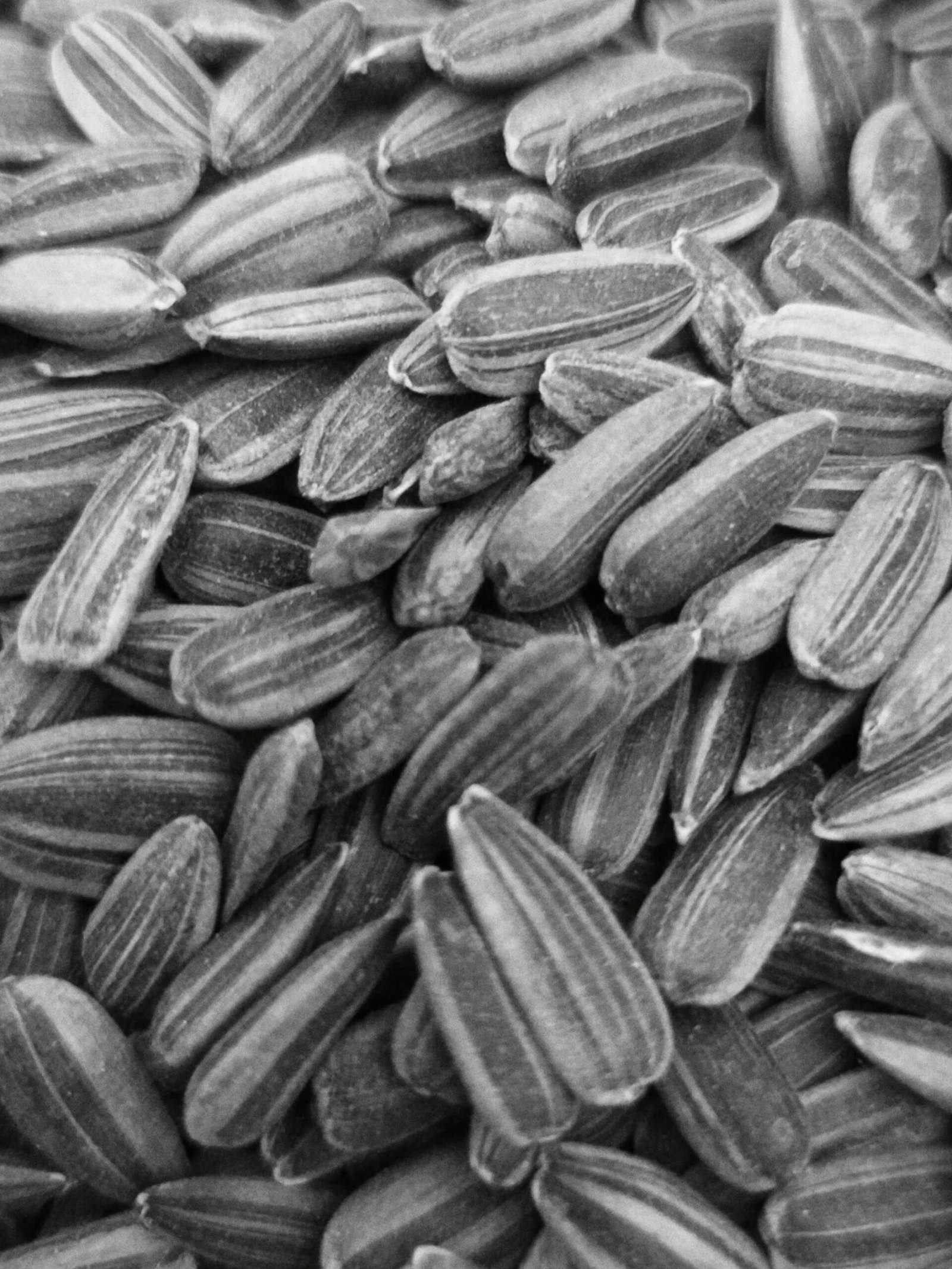
Losing weight can seem complicated, but small changes to your diet can really help. Sunflower seeds are one food that many health-conscious people are now choosing. They are full of protein, fiber, healthy fats, and important nutrients in every serving.
Many people are trying sunflower seeds for weight loss because they are filling, easy to carry, and simple to add to meals. While no single food will make you lose weight by itself, sunflower seeds can help support healthy eating habits for long-term weight control.
This article will look at how sunflower seeds can help with weight loss, their nutrition benefits, any possible risks, and the best ways to add them to your daily meals.
What Are Sunflower Seeds?
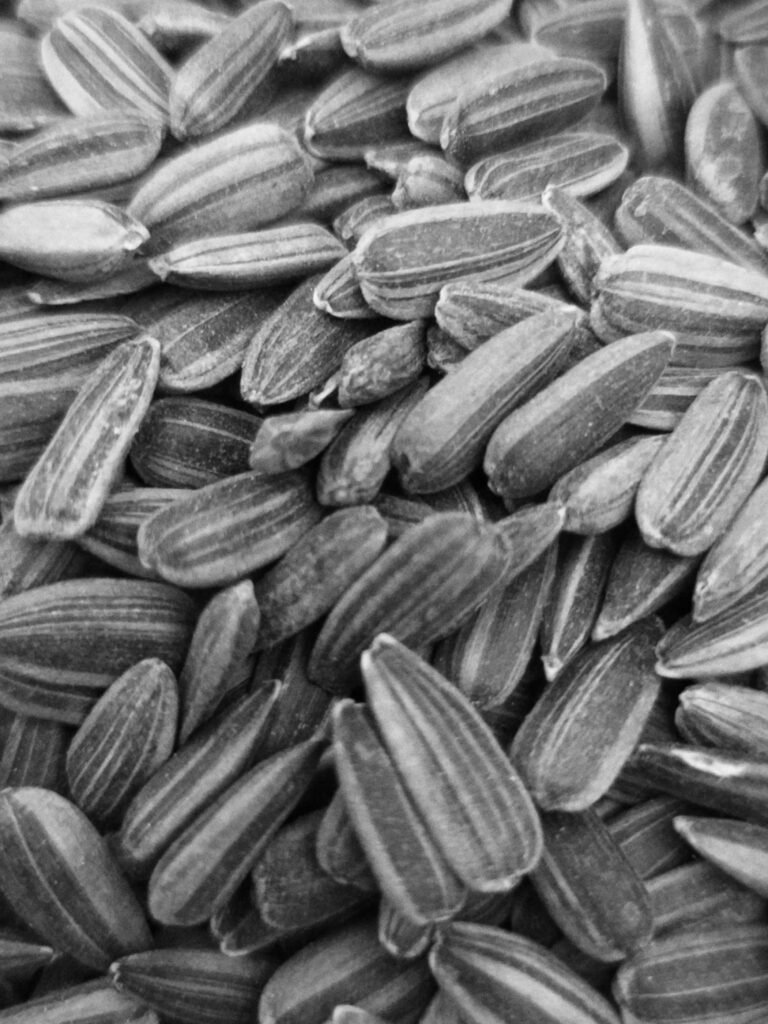
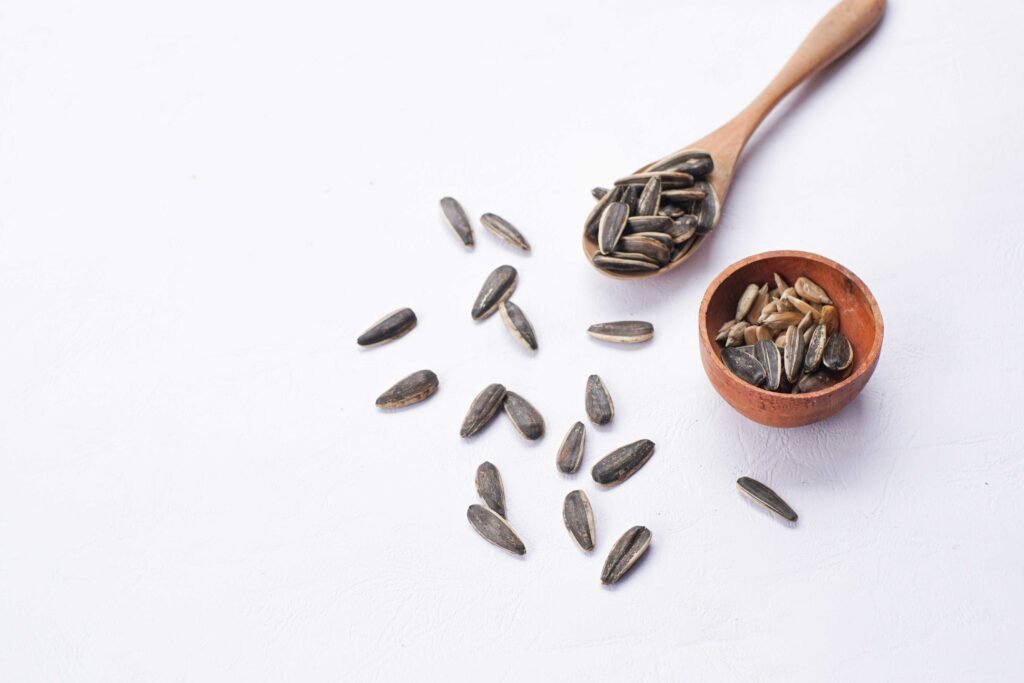
Sunflower seeds grow in the center of the sunflower plant (Helianthus annuus). You can buy them with or without shells, and eat them raw, roasted, or mixed into recipes.
Sunflower seeds are popular for weight loss because they have protein, fiber, and healthy fats. These nutrients help you feel full, so they are a good choice for balanced meal plans.
Nutritional Overview
According to the U.S. Department of Agriculture (USDA), a 1-ounce (28-gram) serving of sunflower seed kernels provides approximately:
- 164 calories
- 5.5 grams of protein
- 14 grams of fat
- 3 grams of fiber
- Vitamin E
- Magnesium
- Selenium
- Copper
These nutrients are why sunflower seeds are often recommended as a healthy snack for people trying to lose weight.
Are Sunflower Seeds Good for Weight Loss?
The short answer is yes—when eaten in moderation.
Using sunflower seeds for weight loss can be beneficial because they provide nutrients that help control hunger and support healthy eating habits.
However, portion size remains important because sunflower seeds are calorie-dense despite being nutritious.
Key Takeaways
- Rich in protein and fiber
- Promote fullness
- Easy to add to meals
- Support overall nutrition
- Require portion control
How Sunflower Seeds for Weight Loss May Help
May Keep You Full and Prevent Overeating
One of the main benefits of sunflower seeds for weight loss is that they help you feel full.
Fiber slows down digestion, and healthy fats help you feel satisfied after eating. Together, they can help you avoid snacking too much between meals.
Research published by the National Institutes of Health suggests that higher fiber intake is associated with better appetite control and weight management.
May Help You Maintain Muscle
When you are losing weight, it is important to keep your muscle mass because muscle helps your metabolism.
The protein found in sunflower seeds for weight loss may contribute to daily protein intake, helping support muscle maintenance when combined with regular physical activity.
May Help You Stick to a Diet Plan
Many diets do not work because people feel deprived. Sunflower seeds give you crunch, flavor, and satisfaction without needing processed snacks.
Adding sunflower seeds to healthy meals can make your eating plan more enjoyable and easier to stick with.
Supports Healthy Energy Levels
Unlike sugary snacks that can lead to energy crashes, sunflower seeds provide a balanced mix of fats, protein, and fiber.
This steady nutrient profile makes sunflower seeds for weight loss a smart snack option during busy days.
Nutritional Benefits of Sunflower Seeds
Rich in Healthy Fats
Sunflower seeds contain mostly unsaturated fats, which are considered heart-friendly fats.
These healthy fats contribute to the appeal of sunflower seeds for weight loss because they promote satisfaction and support overall health.
Excellent Source of Vitamin E
Vitamin E is a powerful antioxidant that helps protect cells from oxidative stress.
According to the NIH Office of Dietary Supplements, sunflower seeds are one of the richest dietary sources of vitamin E.
Provides Magnesium
Magnesium supports hundreds of bodily functions, including muscle and nerve function.
Women and men alike can benefit from magnesium-rich foods like sunflower seeds.
Contains Antioxidants
The antioxidants found in sunflower seeds help combat free radicals that can contribute to cellular damage.
These protective compounds make sunflower seeds for weight loss more than just a convenient snack.
Sunflower Seeds for Weight Loss and Appetite Control
Fiber and Satiety
Fiber absorbs water and expands in the digestive system. This process helps create feelings of fullness.
Many people choose sunflower seeds for weight loss because the fiber content helps reduce hunger between meals.
Protein and Hunger Management
Protein is known for its ability to support satiety. Adding protein-rich foods to meals often helps people stay satisfied longer.
The protein content in sunflower seeds for weight loss supports this effect.
Healthy Fat and Satisfaction
Healthy fats digest more slowly than simple carbohydrates. This slower digestion contributes to sustained fullness and reduced cravings.
Best Ways to Add Sunflower Seeds to Your Diet
Sprinkle on Salads
Add a tablespoon of sunflower seeds to salads for extra crunch and nutrition.
Mix Into Yogurt
Greek yogurt and sunflower seeds make a balanced snack rich in protein.
Add to Oatmeal
Oatmeal becomes even more filling when topped with sunflower seeds.
Blend Into Smoothies
Sunflower seeds add nutrients without dramatically changing flavor.
Homemade Trail Mix
Combine sunflower seeds with nuts and dried fruit for a convenient snack.
These simple strategies make using sunflower seeds for weight loss easy and practical.
Simple Weight-Loss-Friendly Sunflower Seed Recipe
Ingredients
- 1 cup plain Greek yogurt
- ½ cup mixed berries
- 1 tablespoon sunflower seeds
Directions
- Place yogurt in a bowl.
- Add fresh berries.
- Sprinkle sunflower seeds on top.
- Serve immediately.
This snack combines protein, fiber, and antioxidants for a satisfying option.
Are There Risks of Eating Too Many Sunflower Seeds?
Weight Gain from Excess Calories
Although sunflower seeds for weight loss can support healthy eating habits, consuming large quantities may contribute excess calories.
Excess Saturated Fat Intake
While sunflower seeds contain mostly healthy fats, moderation remains important.
Potential Sodium Trap
Many packaged sunflower seeds contain added salt. Choosing unsalted varieties is often the healthier option.
Excess Phosphorus Intake
People with kidney disease should discuss phosphorus intake with their healthcare provider before increasing seed consumption.
How Much Sunflower Seeds Should You Eat for Weight Loss?
Most nutrition experts recommend sticking to approximately 1 ounce (28 grams) per serving.
This portion provides the benefits of sunflower seeds for weight loss without contributing excessive calories.
Measuring servings instead of eating directly from large containers can help prevent overeating.
What Does Research Say About Sunflower Seeds and Weight Management?
Studies consistently show that diets rich in fiber, healthy fats, and protein can support weight management.
Research available through PubMed suggests that nutrient-dense foods promote satiety and may help reduce overall calorie intake.
These findings support the growing interest in sunflower seeds for weight loss as part of a balanced dietary approach.
Final Thoughts on Sunflower Seeds for Weight Loss
Using sunflower seeds for weight loss can be a simple and effective way to improve snack quality and support healthy eating habits. Their combination of protein, fiber, healthy fats, and essential nutrients helps promote fullness and overall wellness.
While sunflower seeds are not a magic solution, they can play a valuable role in a balanced weight-management plan. Combined with regular exercise, adequate sleep, and nutritious meals, sunflower seeds can help support long-term health goals.
YouTube Resource
Here’s a helpful video:
References
USDA FoodData Central
https://fdc.nal.usda.gov/
National Institutes of Health (NIH)
https://www.nih.gov/
NIH Office of Dietary Supplements – Vitamin E
https://ods.od.nih.gov/factsheets/VitaminE-Consumer/
PubMed
https://pubmed.ncbi.nlm.nih.gov/

Hi, I’m Brittany Larsen, a passionate blogger and content creator dedicated to writing meaningful and engaging articles. I specialize in topics like mental health, wellness, and personal development, aiming to inspire and empower my readers through relatable stories and practical advice.