Now Reading: Nettle Tea Pregnancy: Is It Safe, Benefits, and Risks
-
01
Nettle Tea Pregnancy: Is It Safe, Benefits, and Risks
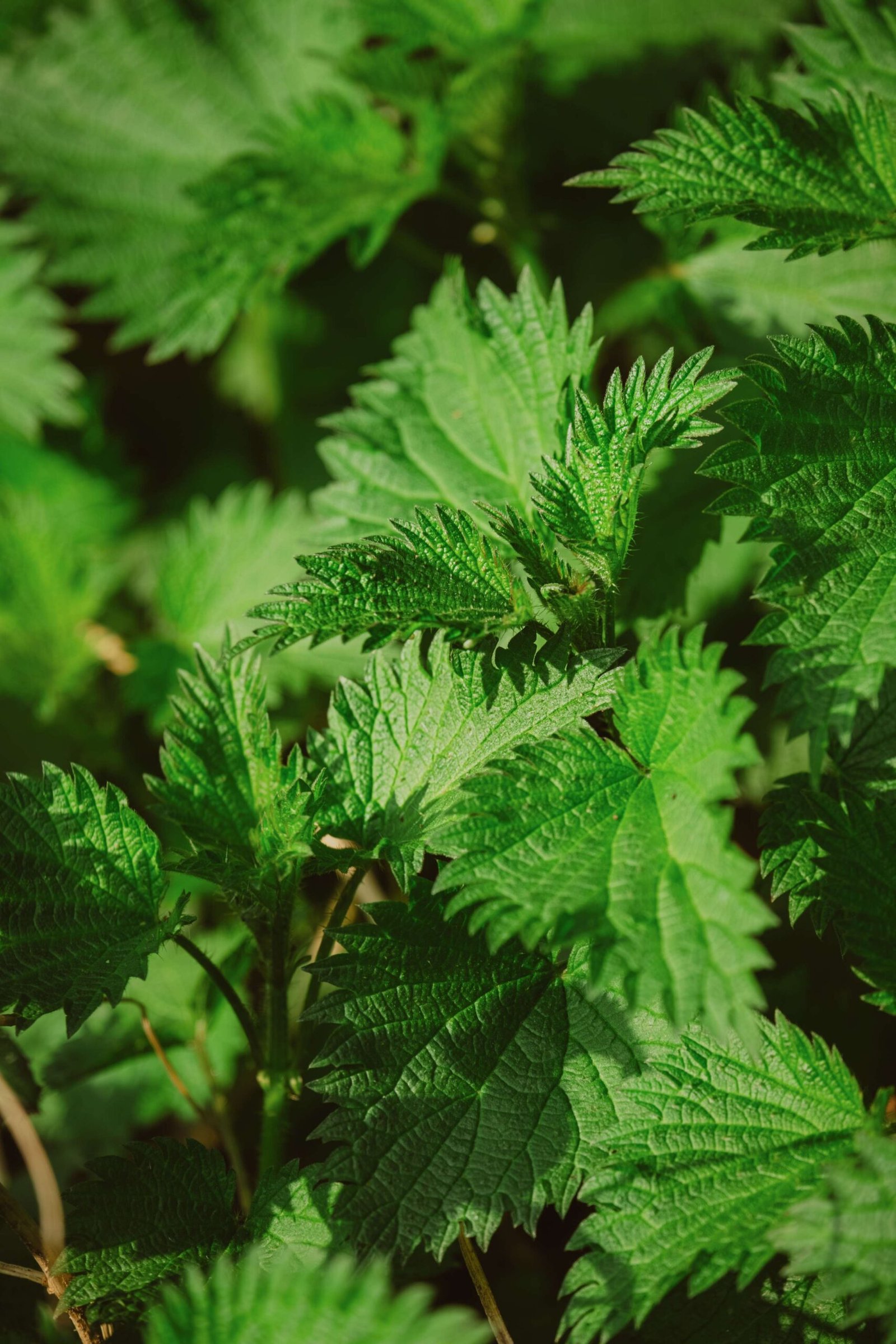
Many people see herbal teas as a simple and natural option during pregnancy. Still, just because something is natural does not mean it is always safe for pregnancy. This is especially true for nettle tea, since there is limited research on its use during pregnancy.
Nettle tea is made from the stinging nettle plant, which has been used for food and traditional medicine for a long time. While nettle has nutrients and helpful plant compounds, there is not enough strong evidence to say that drinking it regularly is safe during pregnancy. The American Pregnancy Association points out that advice about nettle is mixed and recommends being careful about which part of the plant and how much you use. (American Pregnancy Association)
This article covers the safety, possible benefits, risks, and important things to know before you consider drinking nettle tea during pregnancy.
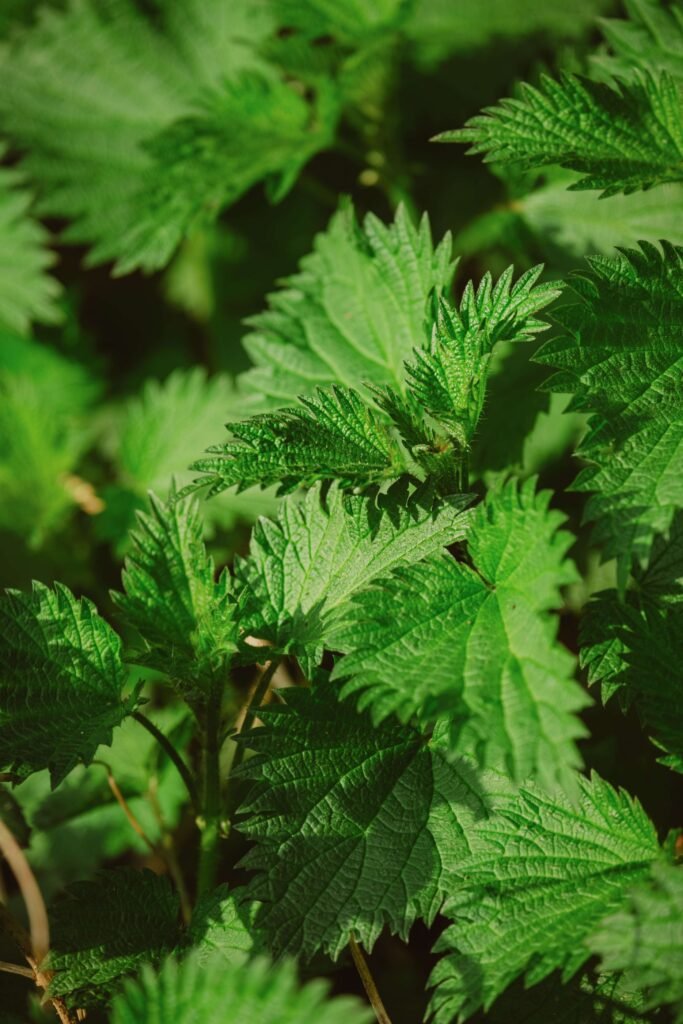
What Is Nettle Tea?
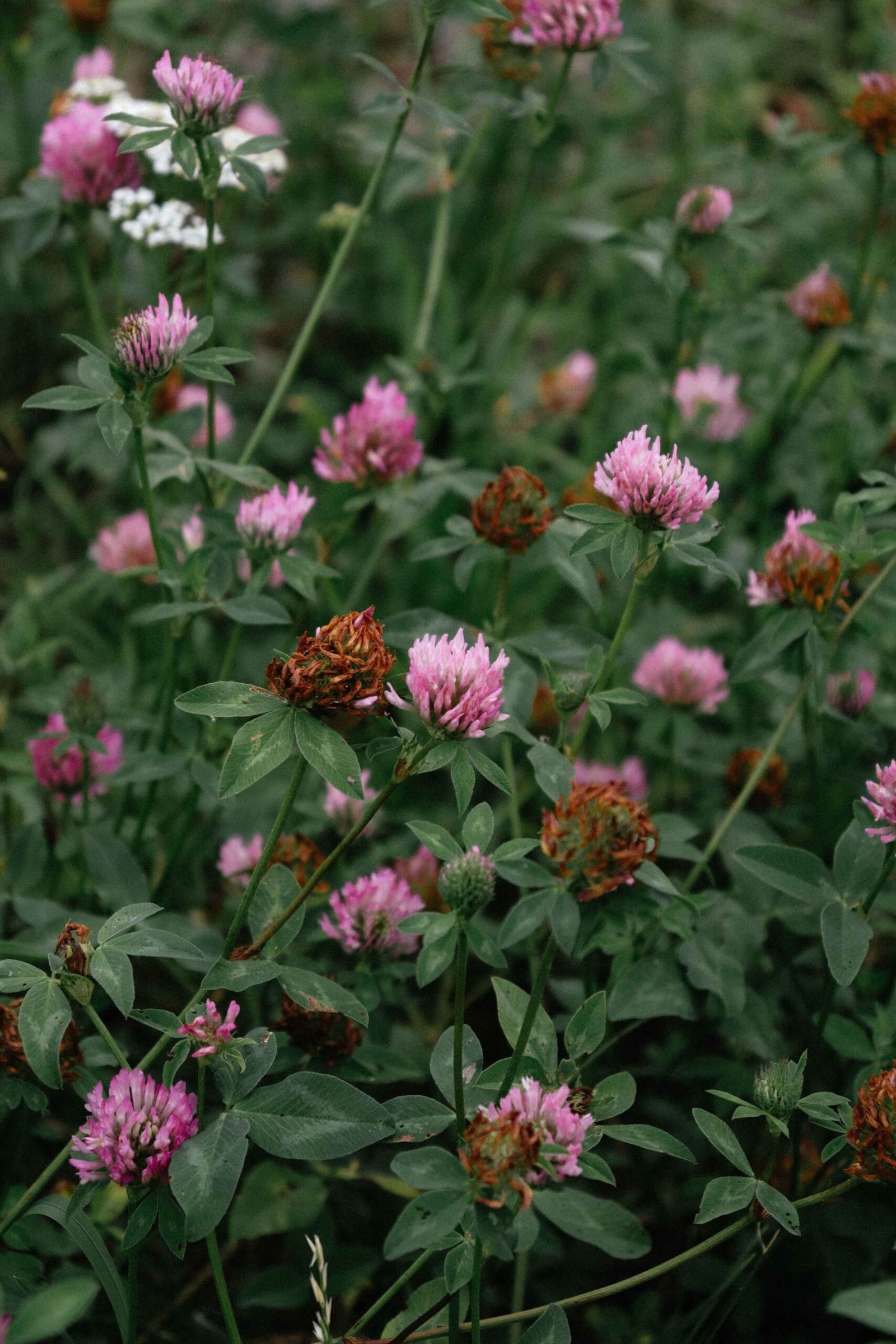
Nettle tea is an herbal drink made from the leaves of Urtica dioica, commonly known as stinging nettle. Unlike green, black, and oolong teas, nettle tea does not come from Camellia sinensis. Pure nettle leaf tea is therefore naturally caffeine-free.
Stinging nettle has a surprisingly rich nutritional profile. Research shows that its leaves contain minerals, vitamins, carotenoids, flavonoids, phenolic acids, and other bioactive compounds. Researchers have identified compounds such as rutin, quercetin, and kaempferol in nettle. (PubMed Central (PMC))
But a cup of nettle tea does not have the same amount of nutrients as whole or dried nettle leaves. How you prepare the tea, how much plant material you use, and how long you steep it all affect what ends up in your cup.
Is Nettle Tea Safe During Pregnancy?
The main question about drinking nettle tea during pregnancy is whether it is safe. Right now, there is no clear yes or no answer supported by strong research.
The American Pregnancy Association explains that the Natural Medicines Database has rated stinging nettle as “likely unsafe” during pregnancy, while also acknowledging its traditional use in pregnancy teas. Safety may depend partly on the plant part and quantity used. (American Pregnancy Association)
This uncertainty is important. Herbal teas have active ingredients, and pregnancy can change how your body reacts to them. The strength of these products can also vary a lot.
For these reasons, do not assume nettle tea is safe during pregnancy just because it is labeled as natural or herbal. Always check with your OB-GYN, midwife, or another healthcare professional before drinking nettle tea regularly while pregnant.
Possible Benefits of Nettle Tea During Pregnancy
You might see long lists of nettle tea benefits for pregnancy online. While nettle does have some interesting compounds, there is not much strong evidence for most pregnancy-specific benefits.
Contains Antioxidant Plant Compounds
One of nettle’s better-studied features is its antioxidant activity. A 2024 scientific review found numerous phenolic and polyphenolic compounds in stinging nettle, including compounds with antioxidant activity. (PubMed)
Antioxidants protect cells from damage. But just because nettle or its extracts show antioxidant activity in studies does not mean that drinking nettle tea will improve pregnancy outcomes.
This difference matters when talking about the possible benefits of nettle tea during pregnancy.
Provides Naturally Occurring Nutrients
Nettle leaves contain several nutrients, including minerals and vitamins. A scientific review describes the leaves as containing fiber, minerals, vitamins, polyphenols, and carotenoids. (PubMed)
Because of its nutrients, nettle has been used in traditional pregnancy remedies. However, nettle tea should not take the place of a prenatal vitamin, iron supplement, or any nutrient your healthcare provider recommends.
May Have Anti-Inflammatory Properties
Nettle has also attracted attention for its potential anti-inflammatory activity. Scientific reviews have documented antioxidant and anti-inflammatory properties associated with nettle extracts and their bioactive compounds. (PubMed)
This does not mean that drinking nettle tea during pregnancy has been proven to reduce inflammation. Most of the research comes from lab studies, animal tests, or studies that do not involve pregnant people.
Traditional Use for Urinary Health
Stinging nettle has traditionally been used for urinary and kidney-related purposes. Research reviews also describe its historical use as a diuretic. (PubMed Central (PMC))
Pregnant people should be careful with this claim. Frequent urination is already common in pregnancy, and symptoms like pain, burning, fever, or other signs of a urinary tract infection should be checked by a doctor, not treated with herbs at home.
Nettle Tea Pregnancy Benefits That Need More Evidence
Some online sources claim nettle tea can balance hormones, prevent anemia, control blood sugar, reduce swelling, improve kidney function, or prepare the body for breastfeeding.
Be careful with these claims. Just because nettle has nutrients or active compounds does not mean that drinking nettle tea can prevent or treat these conditions during pregnancy.
For example, anemia and gestational diabetes need proper testing and treatment. Sudden or severe swelling during pregnancy may also need quick medical attention. Nettle tea should never be used instead of proper prenatal care.
Possible Risks of Nettle Tea During Pregnancy
The main concern is that there is not much research focused on pregnancy. Herbal products can also be very different depending on the plant species, which part is used, the dose, how it is processed, and what other ingredients are included.
Nettle also has a history of use as a diuretic. Therefore, using concentrated nettle preparations specifically to remove excess fluid during pregnancy is not advisable without medical guidance. (PubMed Central (PMC))
Be extra careful if you take medicines for blood pressure, blood sugar, fluid balance, or blood clotting. Talk to your doctor or pharmacist about possible interactions with herbs.
Also, check blended pregnancy teas carefully. A package might say it contains nettle, but it could have other herbs too. Check each ingredient for safety.
When Can You Drink Nettle Tea During Pregnancy?
Some sources suggest avoiding nettle in the first trimester and starting it later in pregnancy. However, there is no strong evidence for a single safe time for everyone to start drinking it.
Since there is limited safety data on nettle tea during pregnancy, it is best to get advice that fits your situation. Your healthcare provider can look at your trimester, medications, health history, any pregnancy complications, and the specific product you want to use.
Do not assume that a tea labeled as “pregnancy tea” is automatically safe. Herbal products can contain many ingredients and vary widely in strength.
How to Prepare Nettle Tea
If your healthcare provider says it is okay for you to have nettle tea sometimes, making it is simple.
Use a nettle tea bag or dried nettle leaves from a trusted source. Pour freshly boiled water over the tea and let it steep as the package suggests. If you use loose leaves, strain them out before drinking and let the tea cool to a comfortable temperature.
While pregnant, do not make extra-strong nettle tea or take nettle extracts just to get stronger effects. With herbal products, more is not always better.
What About Nettle Tea While Breastfeeding?
Nettle has also been used for a long time after pregnancy. Some herbal products claim it can help increase breast milk production, which is called a galactagogue.
However, the NIH’s LactMed database states that there is only minimal scientific support for a milk-boosting effect from stinging nettle. It also emphasizes that galactagogues should not replace evaluation of factors affecting milk production. (NCBI)
So, it is best to be just as careful with nettle tea after pregnancy, especially if you are using strong herbal products.
Other Herbal Teas During Pregnancy
Not all herbal teas have the same risks. Ginger, peppermint, chamomile, raspberry leaf, nettle, and other herbs each have different plant compounds.
The American Pregnancy Association notes that research on many herbs during pregnancy is limited and recommends caution with herbal teas. (American Pregnancy Association)
Do not think of all herbal teas as the same. Check each ingredient on its own, especially if you drink several cups a day or want to use tea to help with pregnancy symptoms.
Frequently Asked Questions About Nettle Tea Pregnancy
Is nettle tea safe during pregnancy?
There is not enough strong evidence to say nettle tea is always safe during pregnancy. Some traditional practitioners use it, but other safety experts recommend caution. Talk to your prenatal healthcare provider before using nettle tea. (American Pregnancy Association)
Can you drink nettle tea in the first trimester?
There is not enough evidence to say what amount is safe in the first trimester. Check with your OB-GYN or midwife before using nettle tea.
Can you drink nettle tea in the third trimester?
Just because you are in the third trimester does not mean nettle tea is automatically safe. Your health, medications, how much you drink, and the ingredients all still matter.
Does nettle tea contain caffeine?
Pure nettle leaf tea does not have caffeine because it is an herbal drink, not made from Camellia sinensis like regular tea.
Does nettle tea provide iron during pregnancy?
Nettle leaves have iron and other minerals, but the amount in a cup of tea can vary. Do not use nettle tea instead of prescribed iron or treatment for iron-deficiency anemia. (PubMed)
Does nettle tea increase breast milk?
Nettle has been used to help with breastfeeding, but LactMed says there is little scientific evidence that it actually works. (NCBI)
Final Thoughts
Nettle tea is popular in pregnancy remedies partly because nettle has been used as a food and medicine for a long time. Modern research shows that stinging nettle has polyphenols, flavonoids, minerals, and other active compounds. (PubMed Central (PMC))
However, research has not clearly shown if drinking nettle tea regularly gives real benefits during pregnancy or is safe for everyone. Because of this, it is important to be careful.
If you want to try nettle tea during pregnancy, talk to your healthcare provider about the specific tea, ingredients, how much you plan to drink, and how often. Do not use nettle tea to treat anemia, gestational diabetes, swelling, urinary symptoms, or other pregnancy health issues on your own.
Recommended YouTube Resource
Here’s a helpful video about the benefits of nettle tea:
References
- American Pregnancy Association – Herbs and Pregnancy. Discusses herbal use during pregnancy and the conflicting safety guidance surrounding stinging nettle. (American Pregnancy Association)
Read the source - American Pregnancy Association – Herbal Tea & Pregnancy. Reviews herbal teas and why pregnant people should exercise caution when evidence is limited. (American Pregnancy Association)
Read the source - NCBI LactMed – Stinging Nettle. Reviews evidence on nettle use during breastfeeding, including its traditional use as a galactagogue. (NCBI)
Read the LactMed review - Đurović S, et al. (2024) – Chemical Constituents of Stinging Nettle. Reviews phenolic and polyphenolic compounds and their biological activity. (PubMed)
Read the PubMed record. - Nutritional and Pharmacological Importance of Stinging Nettle – Review. Covers the nutritional composition and traditional uses of Urtica dioica. (PubMed)
Read the PubMed record.

Hi, I’m Brittany Larsen, a passionate blogger and content creator dedicated to writing meaningful and engaging articles. I specialize in topics like mental health, wellness, and personal development, aiming to inspire and empower my readers through relatable stories and practical advice.