Now Reading: Vitamin Deficiency Dry Skin: Signs, Causes, and What Helps
-
01
Vitamin Deficiency Dry Skin: Signs, Causes, and What Helps
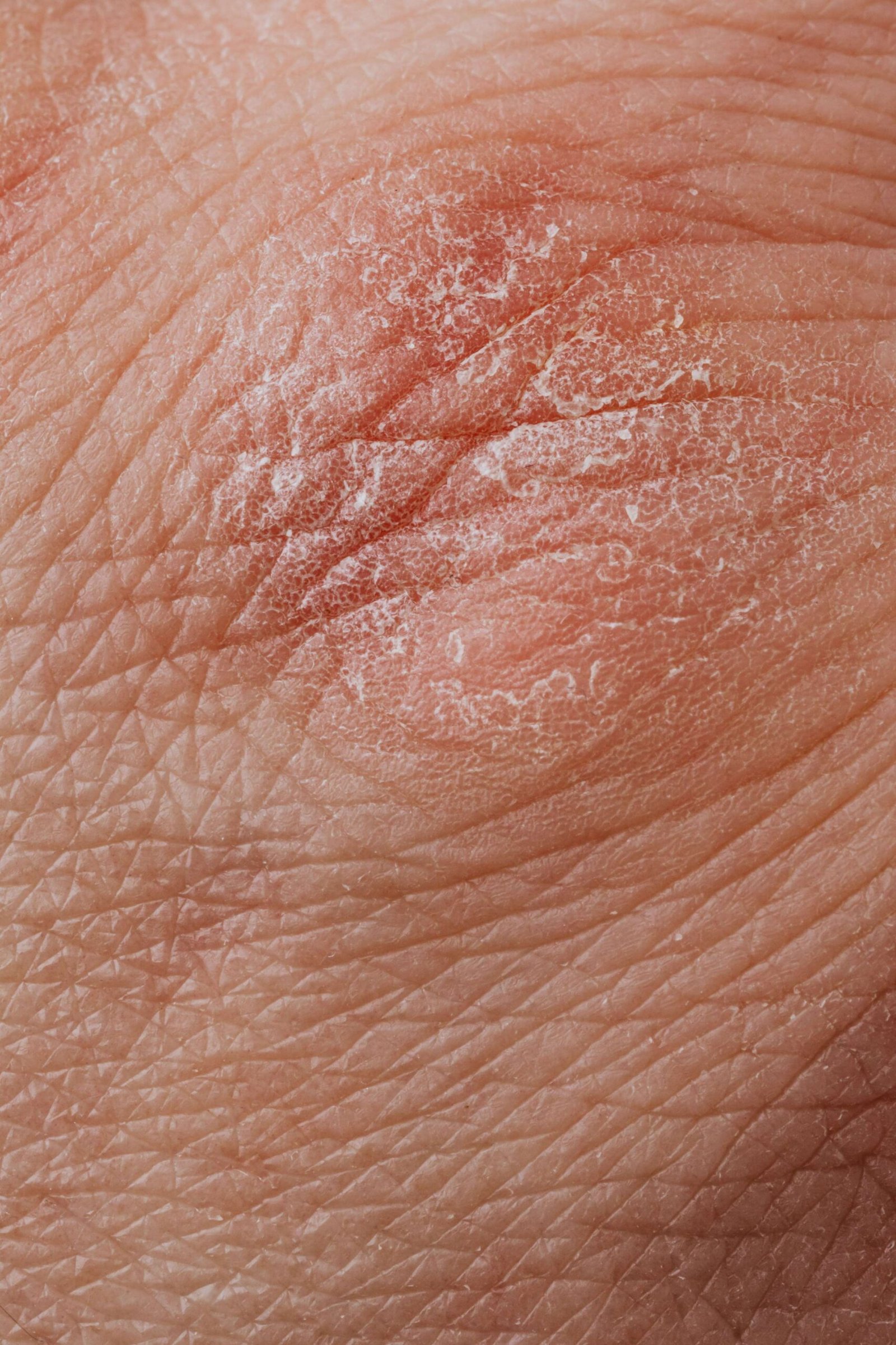
Dry, flaky skin often shows up in cold weather or after taking lots of hot showers. If your skin stays dry even when you use moisturizer, you might wonder if something else is going on. Many people think about nutrition as a possible cause.
Dry skin from vitamin deficiency can happen if your body lacks certain nutrients needed for healthy skin. Still, dry skin by itself does not mean you have a deficiency. Things like weather, eczema, harsh products, and aging are often to blame. Knowing the difference helps you find the right fix.
Can a Vitamin Deficiency Cause Dry Skin?
Yes, some nutritional deficiencies can affect your skin. Skin is always renewing itself and needs vitamins, minerals, fats, and protein to do this well. These nutrients also help make collagen, protect against damage, support your immune system, and keep skin tissues healthy.
But when vitamin deficiency causes dry skin, it usually comes with other symptoms if the deficiency is serious. For example, a severe lack of vitamin C can slow down wound healing, and a severe lack of niacin can cause pellagra, which affects the skin and other parts of the body. (NIH Office of Dietary Supplements)
This is why you should not assume you have a deficiency just because your skin is dry.
What Does Vitamin Deficiency Dry Skin Look Like?
There is no one way that vitamin deficiency dry skin looks. Depending on the cause, your skin might be rough, flaky, scaly, irritated, itchy, or cracked.
The American Academy of Dermatology (AAD) explains that excessively dry skin can flake, peel, itch, crack, and sometimes bleed. (American Academy of Dermatology)
These symptoms can happen even if you do not have a nutritional deficiency. Where the dryness appears, other symptoms, your diet, medications, and medical history can all give helpful clues.
Vitamin A Deficiency and Dry Skin
Vitamin A is important for normal growth, a healthy immune system, and keeping tissues in good shape. A serious lack of vitamin A can affect many parts of the body, but the most well-known symptom is an eye problem called xerophthalmia.
According to the NIH Office of Dietary Supplements, vitamin A deficiency is uncommon in the United States but remains more common in some developing countries. Night blindness can be an important early warning sign. (NIH Office of Dietary Supplements)
You can get vitamin A or carotenoids from foods like eggs, dairy, carrots, sweet potatoes, spinach, and other dark green vegetables.
It is important to know that taking too much vitamin A is not always good. Too much preformed vitamin A can actually cause dry skin and other problems. (NIH Office of Dietary Supplements)
B Vitamin Deficiencies and Dry Skin
Several B vitamins help your body’s metabolism and keep tissues healthy. If you are very low in some B vitamins, you might notice changes in your skin.
Vitamin B3 (Niacin)
Niacin deficiency is a clear example. If you do not get enough niacin, you can develop pellagra. The NIH says pellagra can cause rough skin that turns red or brown after being in the sun. It can also lead to digestive problems, extreme tiredness, headaches, and nerve or mental symptoms. (NIH Office of Dietary Supplements)
The good news is that pellagra is rare in developed countries.
Other B Vitamins
Low levels of other B vitamins can also affect your skin, mouth, hair, or nervous system. But just having dry or flaky skin does not mean you have a B-vitamin deficiency.
If you notice dry skin along with ongoing tiredness, changes in your mouth, unusual hair loss, numbness, or other symptoms you cannot explain, talk to a healthcare professional.
Vitamin C and Dry Skin
Vitamin C is needed to make collagen, which is a key part of connective tissue and helps wounds heal. Vitamin C also works as an antioxidant. (NIH Office of Dietary Supplements)
Severe deficiency causes scurvy. The NIH reports that people consuming less than around 10 mg of vitamin C per day for many weeks can develop scurvy. Symptoms can include poor wound healing, small red or purple skin spots, gum inflammation, fatigue, joint pain, and corkscrew-shaped hairs. (NIH Office of Dietary Supplements)
You can get enough vitamin C by eating citrus fruits, strawberries, peppers, tomatoes, broccoli, and other fruits and vegetables.
Does Vitamin D Deficiency Cause Dry Skin?
Vitamin D does many things in the body, and your skin makes vitamin D when you get enough sunlight. Still, do not assume that dry skin from a vitamin deficiency always means you are low in vitamin D.
The NIH identifies rickets in children and osteomalacia—which can cause bone pain and muscle weakness—in adolescents and adults as established consequences of vitamin D deficiency. Dry skin alone is not enough to diagnose it. (NIH Office of Dietary Supplements)
If your doctor thinks you might have a deficiency based on your risk factors or symptoms, they can decide if you need a vitamin D test.
What About Vitamin E?
Vitamin E works as an antioxidant and helps protect your cells from damage. You can get vitamin E from foods like nuts, seeds, vegetable oils, and green leafy vegetables.
True vitamin E deficiency, however, is very rare in healthy people. The NIH notes that it usually occurs in connection with conditions that interfere with fat digestion or absorption. (NIH Office of Dietary Supplements)
So, you probably do not need to take vitamin E supplements for dry skin unless your healthcare provider finds a specific reason.
Other Causes of Dry Skin That Have Nothing to Do With Vitamins
Before thinking nutrition is the cause, look at what your skin goes through each day. Cold weather, dry air, indoor heating, washing often, harsh cleansers, and long hot showers can all dry out your skin.
Conditions such as eczema, psoriasis, and ichthyosis can also cause severe dryness. The AAD notes that excessively dry skin may sometimes be associated with an underlying medical condition. (American Academy of Dermatology)
That is why it is important to look at the bigger picture if you have ongoing dry skin, instead of just taking a multivitamin.
How Do You Know If a Vitamin Deficiency Is Causing Dry Skin?
You cannot tell if dry skin is from a vitamin deficiency just by looking in the mirror. A doctor will look at your diet, medications, digestive health, medical conditions, and other symptoms.
Blood tests may also be appropriate when a particular deficiency is suspected.
Pay extra attention if your skin problems come with symptoms like ongoing tiredness, muscle weakness, digestive issues, changes in your mouth, unexplained weight changes, vision problems, or unusual hair loss.
How to Improve Dry Skin
Eat a Balanced Diet
Begin by focusing on food instead of picking supplements at random. Eat lots of vegetables, fruits, whole grains, protein-rich foods, nuts, seeds, and healthy fats. Eating a variety of foods helps you get the nutrients your skin and body need.
If you eat a restricted diet or have a condition that affects how your body absorbs nutrients, talk to your doctor or a registered dietitian about your nutrition needs.
Support Your Skin Barrier
Taking care of your skin is important, even when nutrition matters. The American Academy of Dermatology suggests keeping baths and showers to 5 to 10 minutes, using warm water instead of hot, picking gentle fragrance-free cleansers, and moisturizing while your skin is still damp. (American Academy of Dermatology)
Creams and ointments usually give your skin more moisture than thin lotions. Using a humidifier can also help when the air inside is very dry.
Be Careful With Supplements
Taking extra vitamins does not always lead to healthier skin. High doses of supplements can sometimes be harmful. For example, too much preformed vitamin A can be toxic and cause dry skin and other health issues. (NIH Office of Dietary Supplements)
So, it is best to treat vitamin deficiency dry skin by fixing a real or likely deficiency, not by taking large doses just in case.
When Should You See a Doctor?
Talk to a doctor or dermatologist if your dry skin gets very bad, hurts, cracks, bleeds, or does not get better with regular moisturizing.
The AAD also recommends professional evaluation when excessively dry skin continues despite appropriate home care because an underlying skin or medical condition may be responsible. (American Academy of Dermatology)
Frequently Asked Questions
What vitamin deficiency causes very dry skin?
Some nutritional deficiencies, like very low vitamin A, niacin, or vitamin C, can affect your skin. But having dry skin does not always mean you have a deficiency.
Can vitamin D deficiency cause dry skin?
Vitamin D helps with many body processes, but dry skin by itself is not a proven sign of vitamin D deficiency. A healthcare professional can look at your risk factors and decide if you need testing.
Will taking vitamins get rid of dry skin?
Vitamins can help if your dry skin is really caused by a deficiency. But they probably will not fix dryness from cold weather, harsh cleansers, eczema, psoriasis, or other unrelated reasons.
Final Thoughts
Vitamin deficiency can cause dry skin, but it is just one possible reason for rough, flaky, or itchy skin. Serious deficiencies usually come with other symptoms, which help doctors figure out the real problem.
Rather than taking supplements right away, eat a variety of foods and take care of your skin with gentle cleansing and regular moisturizing. If you are still worried about dry skin after trying these steps, talk to your doctor or dermatologist.
Helpful Video
Here’s a video by Dr. Eric Berg:
References
- NIH Office of Dietary Supplements – Vitamin A and Carotenoids:
https://ods.od.nih.gov/factsheets/VitaminA-Consumer/ (NIH Office of Dietary Supplements) - NIH Office of Dietary Supplements – Niacin:
https://ods.od.nih.gov/factsheets/Niacin-Consumer/ (NIH Office of Dietary Supplements) - NIH Office of Dietary Supplements – Vitamin C:
https://ods.od.nih.gov/factsheets/VitaminC-HealthProfessional/ (NIH Office of Dietary Supplements) - NIH Office of Dietary Supplements – Vitamin D:
https://ods.od.nih.gov/factsheets/VitaminD-HealthProfessional/ (NIH Office of Dietary Supplements) - NIH Office of Dietary Supplements – Vitamin E:
https://ods.od.nih.gov/factsheets/VitaminE-Consumer/ (NIH Office of Dietary Supplements) - American Academy of Dermatology – Dermatologists’ Tips for Relieving Dry Skin:
https://www.aad.org/public/everyday-care/skin-care-basics/dry/dermatologists-tips-relieve-dry-skin (American Academy of Dermatology)

Hi, I’m Brittany Larsen, a passionate blogger and content creator dedicated to writing meaningful and engaging articles. I specialize in topics like mental health, wellness, and personal development, aiming to inspire and empower my readers through relatable stories and practical advice.