
Now Reading: Coconut Oil in Coffee Benefits and Safety Tips
-
01
Coconut Oil in Coffee Benefits and Safety Tips

Adding coconut oil to coffee has become a popular wellness habit, especially among those following low-carb, keto, or high-fat diets. Many people enjoy the creamy texture, steady energy, and feeling of fullness it may provide. Because of this, searches for coconut oil in coffee benefits continue to grow.
Coffee already contains compounds linked to several health benefits, and coconut oil adds fat that may slow digestion and make your morning drink more satisfying. However, coconut oil is also high in saturated fat, so moderation matters.
In this article, we will explore the benefits of real coconut oil in coffee, how to make it, how much to use, and who should be cautious.

What Happens When You Add Coconut Oil to Coffee?
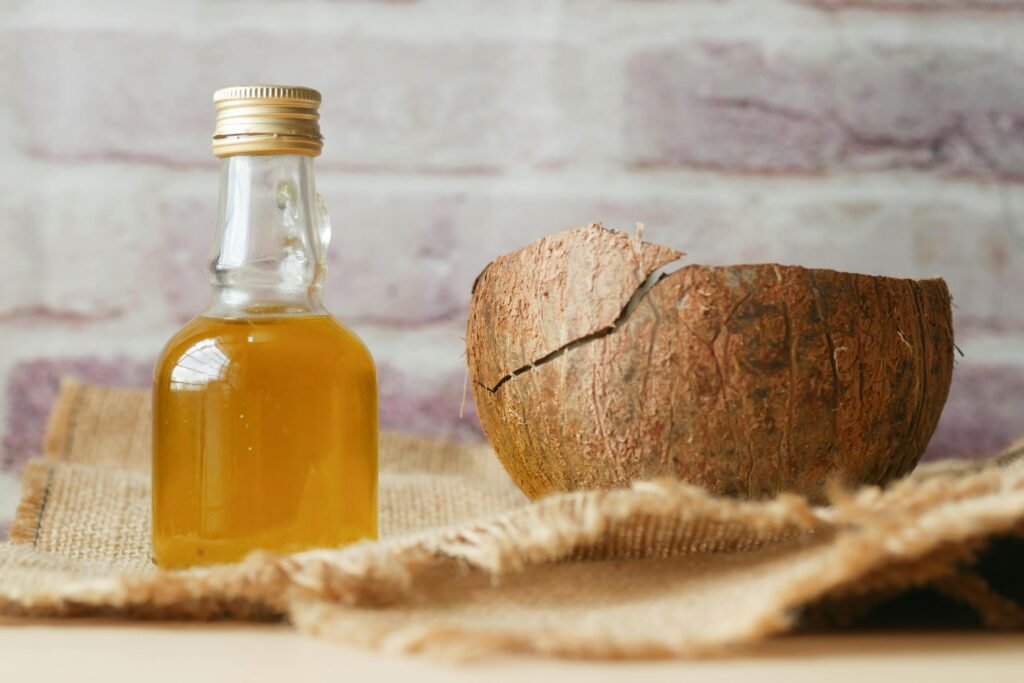
Coconut oil is a plant-based fat made from coconut meat. It contains medium-chain triglycerides (MCTs) and saturated fat.
When you add coconut oil to hot coffee and blend it, the drink becomes creamy and smooth. Many people use it instead of sugary creamers because it adds richness without added sugar.
One reason people talk about the benefits of coconut oil in coffee is that MCTs are digested differently than some longer-chain fats. Cleveland Clinic notes that MCT oil may provide quick energy because the body absorbs it more easily than many other fats.
Why Put Coconut Oil in Coffee?
People add coconut oil to coffee for several reasons. Some want more energy. Others want a fuller feeling after breakfast. Some use it as part of a keto lifestyle.
The main benefits of coconut oil in coffee come from the combination of caffeine and fat. Caffeine can improve alertness, while fat can make coffee feel more filling.
Mayo Clinic notes that coffee may be linked with a lower risk of conditions such as Parkinson’s disease, type 2 diabetes, and some liver diseases, though benefits vary by person.
Top Coconut Oil in Coffee Benefits
1. Provides Quick and Lasting Energy
One of the most common benefits of coconut oil in coffee is energy support. Coffee gives you caffeine, while coconut oil provides fat-based calories.
This combination may help some people feel more satisfied than black coffee alone. It may also reduce the urge to snack soon after drinking coffee.
2. May Support Mental Focus
Caffeine can help increase alertness. Coconut oil may add a slower-burning energy source.
Together, they may help some people feel focused in the morning. However, results vary based on sleep, diet, caffeine tolerance, and overall health.
3. May Help with Fullness
Coconut oil adds calories and fat to coffee. This can make the drink more filling.
One practical benefit of coconut oil in coffee is that it may help reduce mid-morning hunger. Still, it should not replace a balanced meal every day.
4. Supports Keto and Low-Carb Diets
People following keto diets often use coconut oil in coffee because it adds fat without carbs.
This can help support fat-based energy intake. However, people should still focus on whole foods, protein, fiber, and nutrient-rich meals.
5. Adds Creamy Flavor Without Dairy
Coconut oil gives coffee a smooth, rich texture. It has a mild coconut flavor that pairs well with dark roast coffee.
This is one of the simplest coconut oil in coffee benefits for people who avoid dairy creamers.
What Does Coconut Oil Coffee Taste Like?
Coconut oil coffee tastes rich, smooth, and slightly nutty. If you blend it, the texture becomes similar to a light latte.
Blending matters because coconut oil can float on top if you only stir it. A blender makes a creamy drink that tastes better.
How Much Coconut Oil Should You Put in Coffee?
Start small. Use 1 teaspoon first, especially if your body is not used to extra fat in the morning.
Some people use 1 tablespoon, but more is not always better. Harvard T.H. Chan School of Public Health notes that 1 tablespoon of coconut oil has about 120 calories and around 12 grams of saturated fat. Harvard also notes that the American Heart Association recommends limiting saturated fat intake, especially for heart health.
Simple Coconut Oil Coffee Recipe
Ingredients
- 1 cup hot brewed coffee
- 1 teaspoon coconut oil
- Optional cinnamon
- Optional unsweetened milk
Instructions
- Brew your coffee.
- Add coconut oil.
- Blend for 20–30 seconds.
- Pour into a cup and drink warm.
This simple recipe helps you enjoy the benefits of coconut oil in coffee without overdoing the fat.
Coconut Oil vs. MCT Oil in Coffee
Coconut oil naturally contains some MCTs, but it is not the same as pure MCT oil.
MCT oil is more concentrated and may be digested faster. Coconut oil has a stronger flavor and contains more lauric acid. Both add calories, so portion control matters.
Can You Drink Coconut Oil Coffee While Fasting?
Technically, coconut oil coffee breaks a strict fast because it contains calories.
However, some people who practice keto-style fasting still use it because it has no carbs. Whether it fits your fasting routine depends on your goals.
Safety and Side Effects
Coconut oil coffee is not ideal for everyone. Too much coconut oil may cause stomach discomfort, loose stools, or nausea.
People who watch cholesterol or saturated fat intake should be careful. Harvard Health states that the evidence supporting coconut oil’s health claims is thin and that it is not the best choice for lowering heart disease risk.
Who Should Avoid Coconut Oil in Coffee?
You may want to avoid or limit it if you:
- Have high LDL cholesterol
- Have heart disease risk factors
- Experience acid reflux from coffee
- Get digestive upset from high-fat drinks.
- Need a lower-calorie morning routine.
Mayo Clinic notes that too much caffeine may cause anxiety, headache, fast heartbeat, heartburn, or urinary symptoms in some people.
Final Thoughts
The main benefits of coconut oil in coffee include a creamier flavor, quick energy, better fullness, and support for low-carb routines. For some people, it can be a useful morning drink when used in small amounts.
But coconut oil is high in calories and saturated fat. Use it carefully, start with 1 teaspoon, and keep your diet balanced overall.
YouTube Resource
Here’s a helpful video by Dr. Yang:
References
Harvard T.H. Chan School of Public Health — Coconut Oil
https://nutritionsource.hsph.harvard.edu/food-features/coconut-oil/
Harvard Health — Cracking the Coconut Oil Craze
https://www.health.harvard.edu/blog/cracking-the-coconut-oil-craze-2017041011513
Mayo Clinic — Coffee and Health
https://www.mayoclinic.org/healthy-lifestyle/nutrition-and-healthy-eating/expert-answers/coffee-and-health/faq-20058339
Cleveland Clinic — MCT Oil Benefits
https://health.clevelandclinic.org/mct-oil-benefits

Hi, I’m Brittany Larsen, a passionate blogger and content creator dedicated to writing meaningful and engaging articles. I specialize in topics like mental health, wellness, and personal development, aiming to inspire and empower my readers through relatable stories and practical advice.