Now Reading: Healthy Scalp for Hair Growth: 10 Expert Tips for Stronger Hair
-
01
Healthy Scalp for Hair Growth: 10 Expert Tips for Stronger Hair
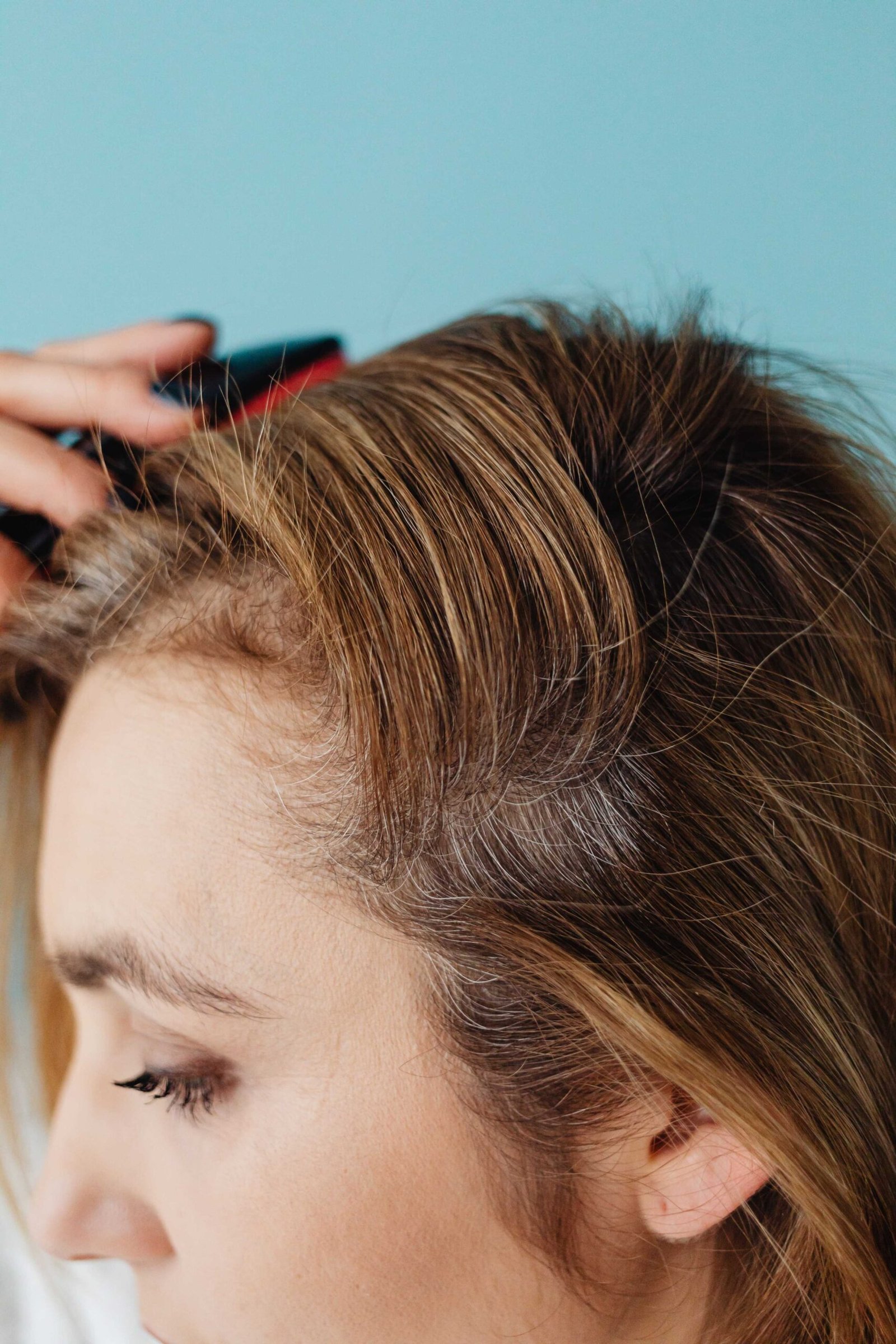
Healthy, beautiful hair begins with what’s underneath. Many people pay attention to shampoos, conditioners, and styling products, but often forget about the scalp, which is the real foundation of hair health. When your scalp is healthy, it gives hair follicles the best chance to work well and grow stronger hair.
If your scalp is dry, irritated, oily, or has product buildup, your hair might not grow as well as it could. The good news is that you don’t need complicated treatments to keep your scalp healthy. Simple daily habits can really help.
This guide will explain why scalp health is important, how to spot a healthy scalp, and give you practical tips to keep your scalp in good shape for better hair growth.
Why Is a Healthy Scalp Important for Hair Growth?
Your scalp has thousands of hair follicles. Each one works like a small factory to make hair strands. When your scalp is balanced and healthy, these follicles do their job better.
A healthy scalp helps with good blood flow, keeps skin hydrated, and delivers nutrients to your hair. If your scalp gets inflamed, clogged, or damaged, your hair follicles might not work as well.
According to the American Academy of Dermatology (AAD), healthy hair growth depends on the condition of hair follicles located beneath the scalp. Keeping the scalp healthy helps support optimal hair growth conditions.
What Does a Healthy Scalp Look Like?
Knowing what a healthy scalp looks like can help you spot problems before they get worse.
Signs of a Healthy Scalp
A healthy scalp usually shows these signs:
- Minimal itching
- Balanced oil production
- Little to no visible flaking
- Even skin tone
- Comfortable, hydrated skin
Your scalp should feel clean, not too dry or too oily.
Signs of an Unhealthy Scalp
If your scalp is out of balance, you might notice:
- Persistent itching
- Excess dandruff
- Redness
- Tightness
- Tenderness
- Increased hair shedding
These symptoms could mean your scalp is irritated, has too much product buildup, or there’s another scalp issue.
What Causes an Unhealthy Scalp?
Many things can make it harder to keep your scalp healthy for good hair growth.
Product Buildup
Hair sprays, dry shampoos, gels, and conditioners can build up on your scalp over time. This buildup can block hair follicles and cause irritation.
Excess Oil Production
If your scalp makes too much oil, your hair can get greasy and your pores can get clogged.
Dryness and Dehydration
Cold weather, strong shampoos, and not drinking enough water can make your scalp dry and flaky.
Harsh Hair Products
Products with strong sulfates, alcohol, or heavy fragrances can bother sensitive scalps.
Stress and Lifestyle Factors
Studies show that ongoing stress can lead to hair loss and scalp problems. Managing stress helps keep your scalp and hair healthy.
Scalp Conditions
Certain conditions can affect scalp health, including:
Dandruff
Dandruff causes visible flakes and itching.
Seborrheic Dermatitis
This condition often causes redness, greasy patches, and irritation.
Psoriasis
Scalp psoriasis can create thick, itchy spots that usually need a doctor’s care.
10 Tips for Maintaining a Healthy Scalp for Hair Growth
1. Cleanse Your Scalp Regularly
Washing your scalp regularly gets rid of dirt, sweat, oil, and leftover products. How often you should wash depends on your hair type and daily routine.
2. Stick to a Consistent Hair-Washing Routine
Sticking to a regular washing routine keeps your scalp balanced. Washing too much can remove natural oils, but not washing enough can cause buildup.
3. Keep Product Buildup Under Control
If you use a lot of styling products, try a clarifying shampoo now and then. It helps remove extra buildup and keeps your scalp healthy.
4. Avoid Keeping Hair Wet for Long Periods
If you leave your hair wet for too long, it can make your scalp more likely to get irritated.
Make sure to dry your scalp well after you wash your hair.
5. Stay Hydrated
Drinking enough water helps keep your skin healthy, including your scalp.
Staying hydrated is good for your scalp, your hair, and your overall health.
6. Massage Your Scalp
Massaging your scalp can help boost blood flow to the area.
A small study in Eplasty found that regular scalp massages might make hair thicker over time.
7. Choose Gentle Hair Care Products
Choose shampoos and conditioners that match your scalp type.
Gentle products help keep your scalp healthy and avoid irritation.
8. Avoid Excessive Heat Styling
Using curling irons, flat irons, or blow dryers too often can harm your hair and scalp.
Try to use heat protectant sprays and keep the temperature low when styling your hair.
9. Protect Your Scalp from Sun Damage
Remember, your scalp is skin too, and it can get sunburned.
Wear a hat or use sunscreen made for the scalp if you’ll be in the sun for a long time.
10. Manage Stress Levels
Managing stress with things like exercise, meditation, and good sleep can help keep your scalp and hair healthy.
Should You Oil Your Scalp?
Many people like to oil their scalp, but it doesn’t work for everyone.
Potential Benefits
Some oils can help add moisture to a dry scalp and make it feel better.
When Oiling May Not Help
If you have an oily scalp or seborrheic dermatitis, using too much oil can make things worse.
Choosing the Right Oil
Rosemary Oil
Some studies suggest that diluted rosemary oil might help with hair health.
Jojoba Oil
Jojoba oil is similar to the natural oils on your scalp and can help with dryness.
Argan Oil
Argan oil adds moisture and antioxidants, which can make your scalp feel more comfortable.
Foods That Support a Healthy Scalp for Hair Growth
What you eat is important for keeping your scalp healthy and helping your hair grow.
Protein-Rich Foods
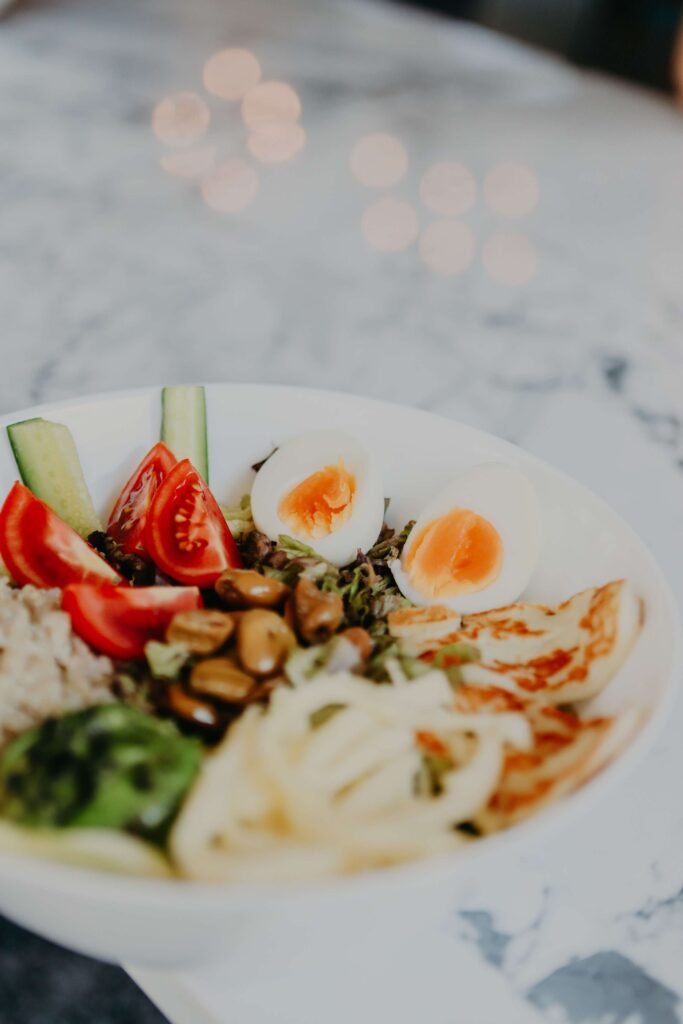
Hair is mostly made of protein, so try to eat foods like lean meats, eggs, fish, beans, and legumes.
Omega-3 Fatty Acids
Fatty fish, walnuts, and flaxseeds are good for your skin and scalp.
Iron-Rich Foods
Iron moves oxygen around your body. You can get iron from foods like spinach, lentils, and lean meats.
Zinc and Biotin Sources
Zinc and biotin help your hair grow. Nuts, seeds, eggs, and whole grains are great sources.
According to the National Institutes of Health (NIH), nutritional deficiencies can contribute to hair thinning and shedding.
When to See a Dermatologist
See a professional if you notice any of these problems:
- Persistent itching
- Excessive hair loss
- Painful scalp inflammation
- Severe dandruff
- Scalp sores
A dermatologist can find out what’s causing your scalp issues and suggest the right treatment.
Final Thoughts
Keeping your scalp healthy is one of the best ways to get stronger, healthier hair. Regular washing, staying hydrated, managing stress, eating well, and using gentle hair care all help your scalp stay in good shape.
A healthy scalp doesn’t happen overnight. Small daily habits make a big difference over time. By taking care of your scalp regularly, you help your hair look and feel healthier.
YouTube Resource
Andrew Huberman – Healthy Hair Care Tips:
References
American Academy of Dermatology (AAD):
https://www.aad.org/public/everyday-care/hair-scalp-care
National Institutes of Health (NIH):
https://ods.od.nih.gov
Cleveland Clinic – Scalp Care:
https://health.clevelandclinic.org
Harvard Health Publishing:
https://www.health.harvard.edu
Eplasty Study on Scalp Massage:
https://www.ncbi.nlm.nih.gov/pmc/articles/PMC4740347/

Hi, I’m Brittany Larsen, a passionate blogger and content creator dedicated to writing meaningful and engaging articles. I specialize in topics like mental health, wellness, and personal development, aiming to inspire and empower my readers through relatable stories and practical advice.